12 June 2026
By Terence Law
In the world of commercial recording, tracking a full band over several days is standard practice. Tracking an entire multi-instrumental arrangement—drums, guitars, bass, and multi-layered vocals—in a single day requires an entirely different level of session management.
For this blog entry, the focus is on Thomas Lee, a highly skilled multi-instrumentalist who executed his entire track in one marathon recording session. The success of this day hinged on two factors: Thomas’s impeccable timing and musical discipline, and an engineered setup that prioritized capturing immense natural room ambiance to give the solo performance the sonic footprint of a massive, live ensemble.
Here is the technical breakdown of how we achieved a full production capture in a single day.
The 12-Mic Drum Experiment: Prioritizing Acoustic Space
Because Thomas is an exceptionally tight player with profound control over his dynamics, I decided to use the drum tracking phase as an opportunity for an aggressive spatial experiment. Instead of heavily close-miking every single drum, I built a 12-mic configuration that dedicated a significant portion of the inputs entirely to the room and the hall.
The goal was to capture the sheer physical volume of the kit interacting with the studio architecture. Once this setup was dialed in, it sounded so cohesive that I made a note in my session logs: "Didn't change a single mic from the whole lot."
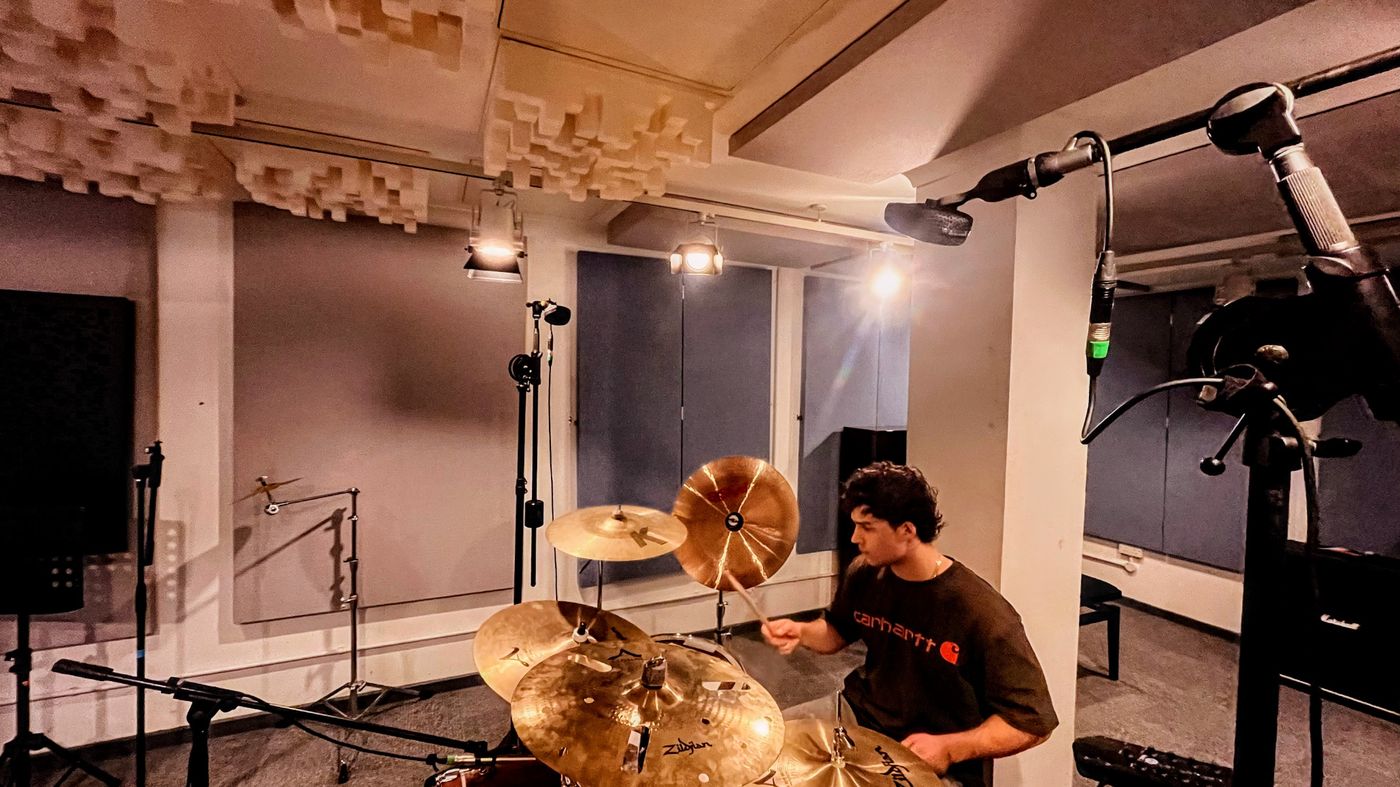
Fig 1: Thomas Lee on the drums
The Drum Signal Chain:
- Kick In: Shure SM7B
Placed inside the kick at an off axis. Because the SM7B is a large-diaphragm dynamic microphone, it effortlessly handles extreme sound pressure levels (SPL) while isolating the focused, mechanical "click" of the beater attack.
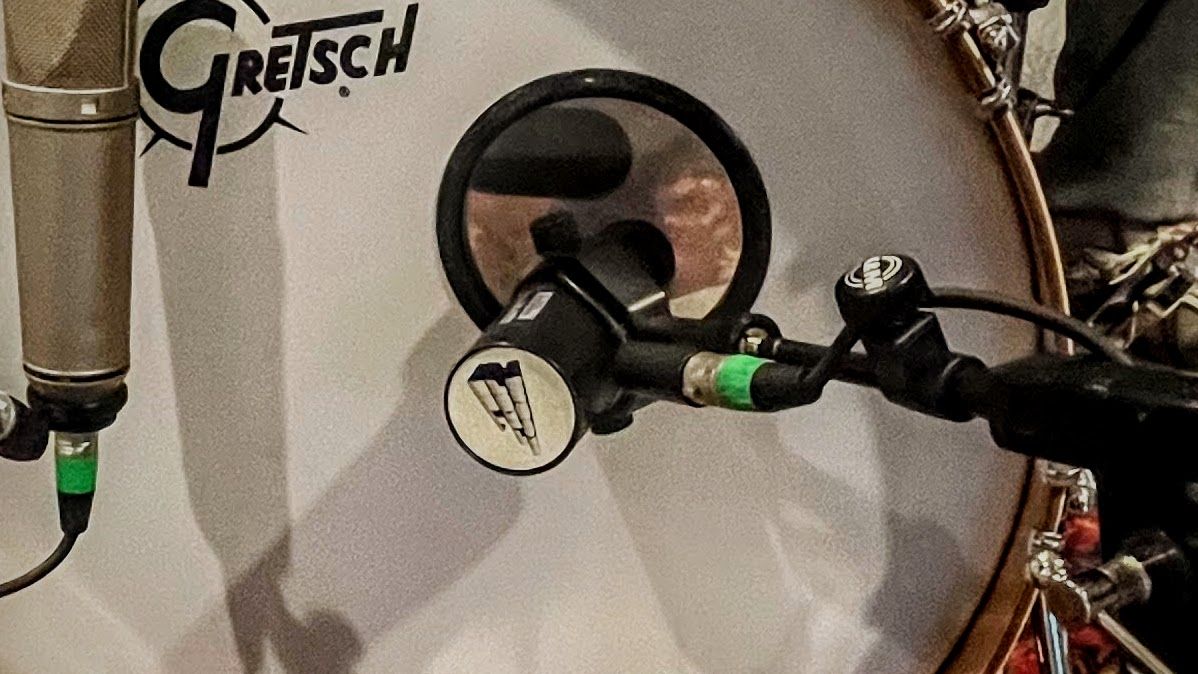
Fig 2: Shure SM7B placed off axis inside the kick drum
- Kick Out: Neumann U87
Positioned outside the drum to grab the sub-harmonic weight and the low-frequency bloom that dynamic microphones often miss.
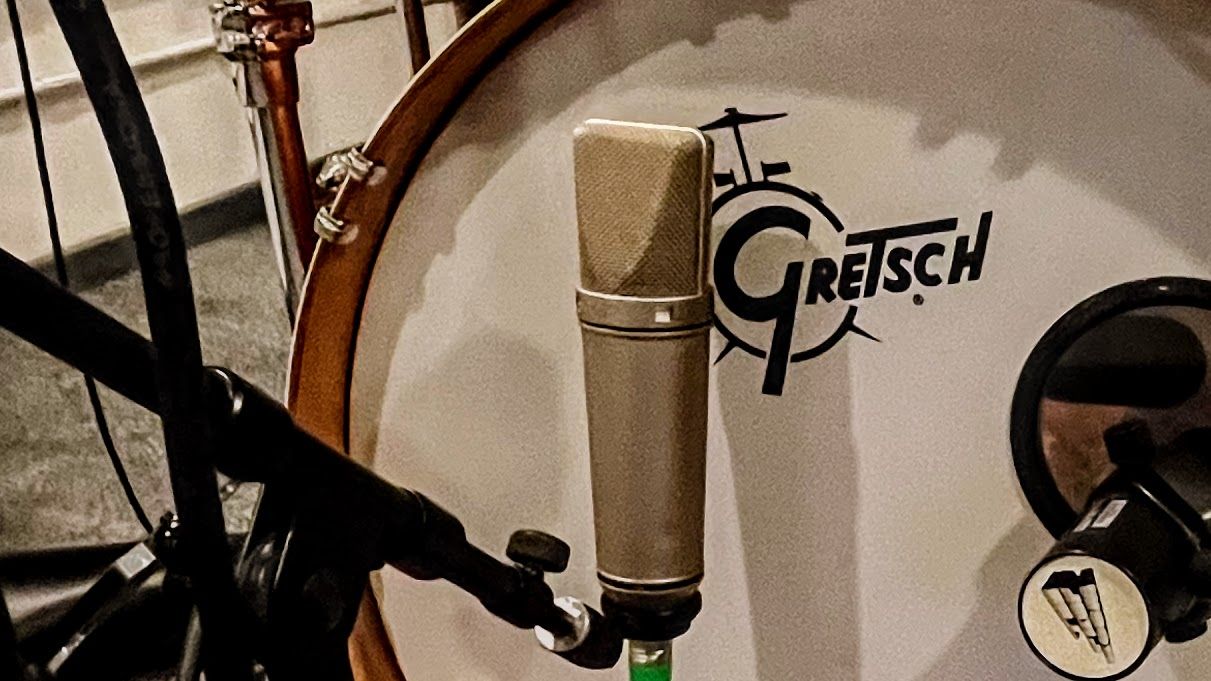
Fig 3: Neumann U87 positioned outside the drum to capture sub-harmonic weight
- Snare Top & Bottom: Shure SM58s
These dynamic workhorses feature a tailored presence peak that accentuates the aggressive transient crack of the batter head and the high-frequency sizzle of the snare wires.
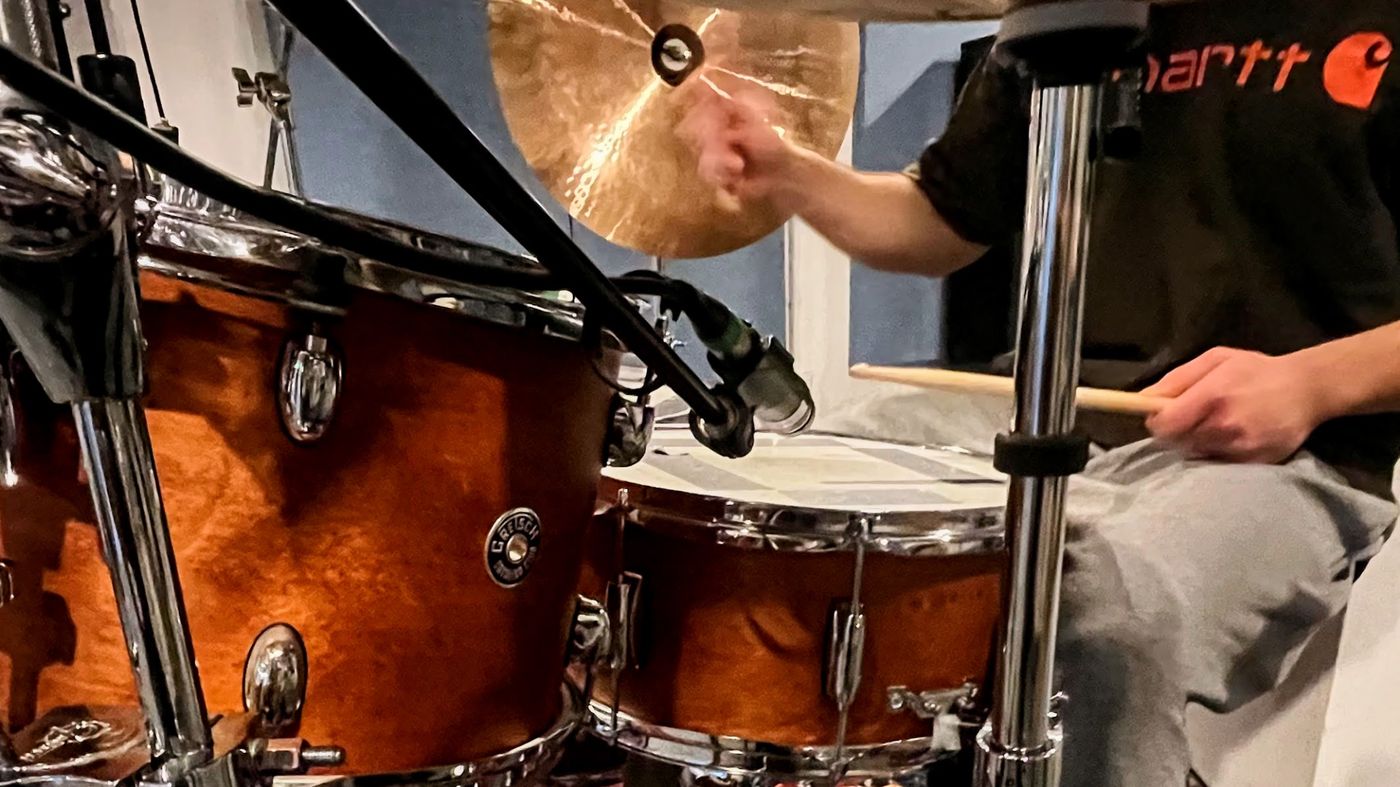
Fig 4: Shure SM58 positioned on the snare top to capture the transient crack of the batter head
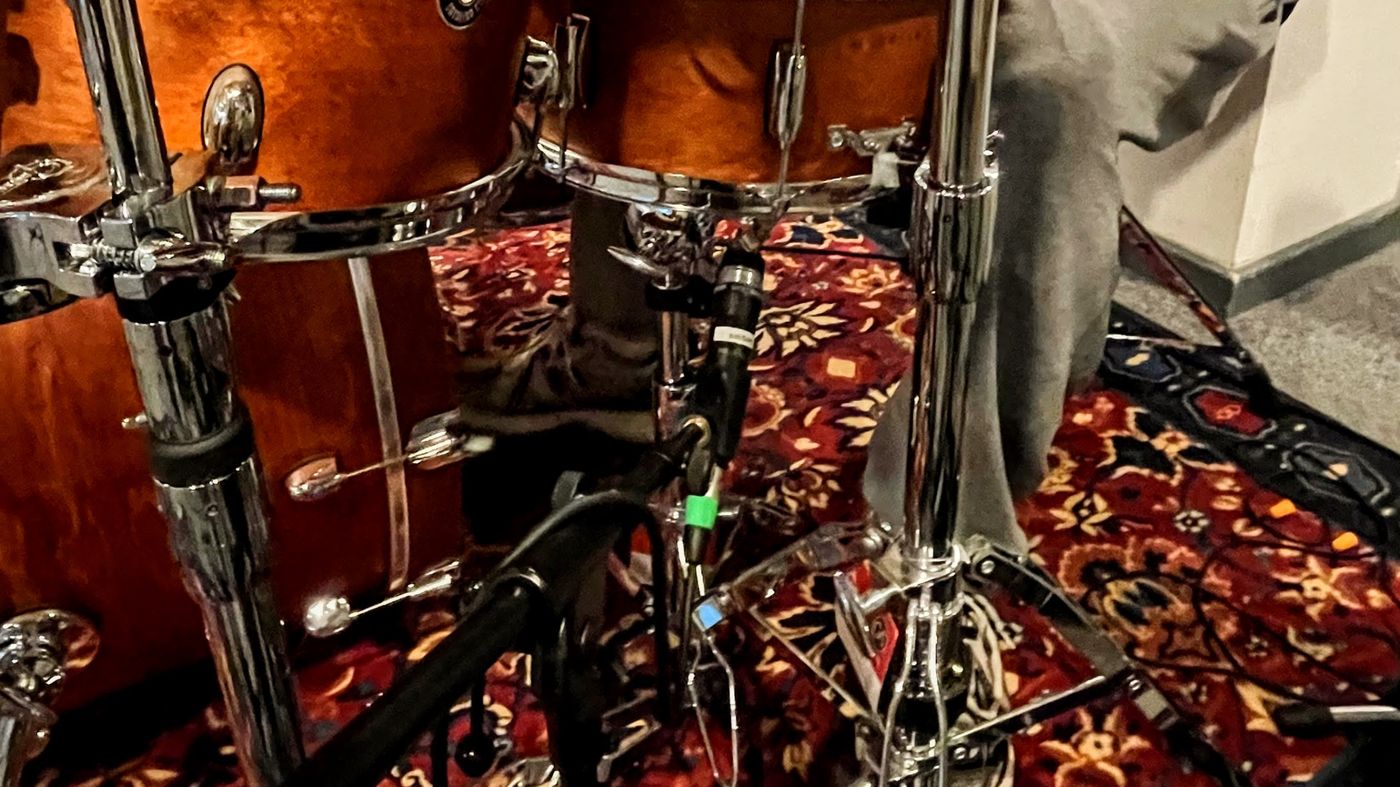
Fig 5: Shure SM58 positioned on the snare bottom to capture the high-frequency sizzle of the snare wires
- Overheads (L/R): Coles 4038. Utilizing ribbon microphones for overheads naturally rolls off the harsh, brittle frequencies of the cymbals, providing a remarkably smooth, dark stereo image (Hirst, 2015).
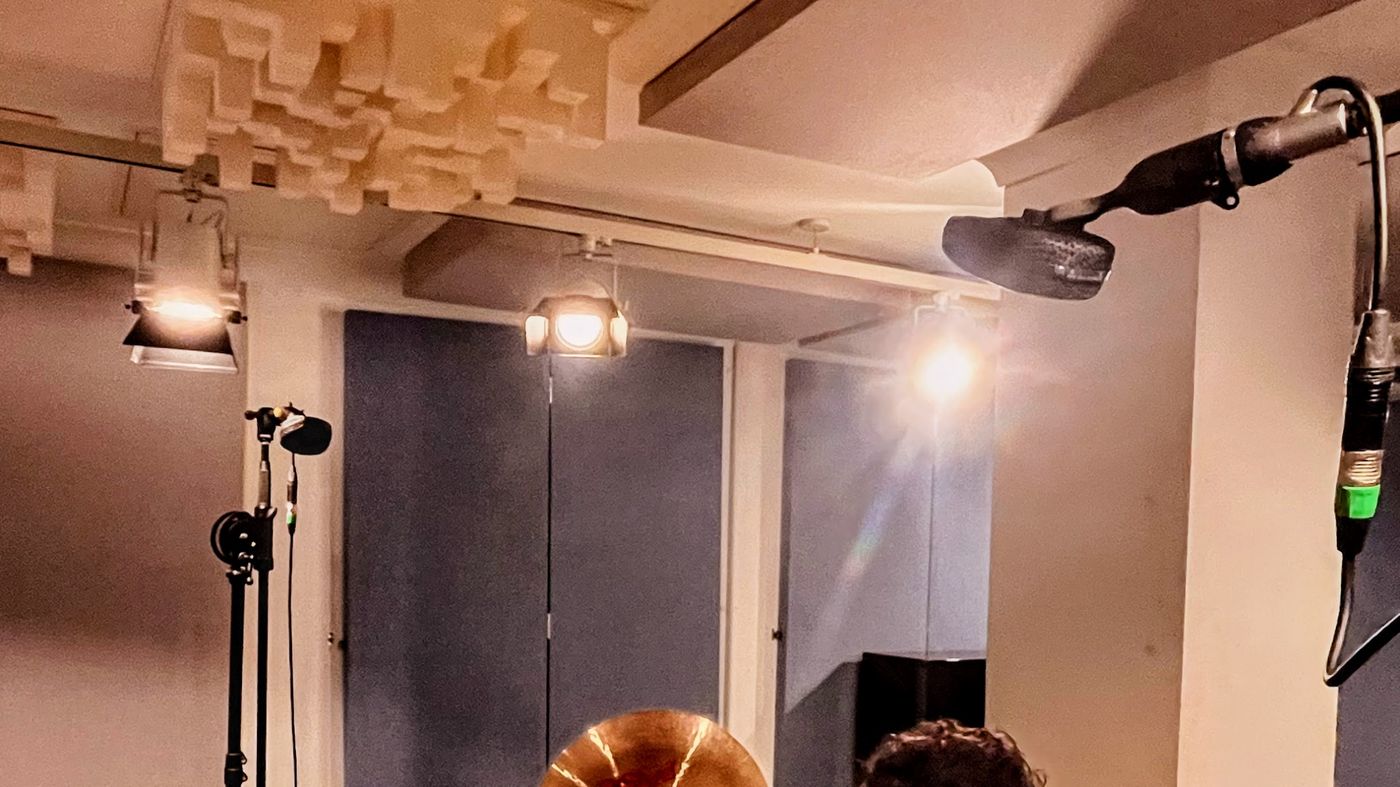
Fig 6: Coles 4038 ribbon microphones deployed as overheads for a smooth stereo image
- Wurst Mic: AKG 451
Pioneered by producer Moses Schneider, the "Wurst" (sausage) mic is placed directly between the kick and snare, just above the kick pedal. Utilizing a "trash mic" placement captures a phase-coherent, gritty snapshot of the kit's core, which, when heavily compressed during mixing, acts as the ultimate cohesive "glue" for the drum bus (Schneider, 2014, 2015).
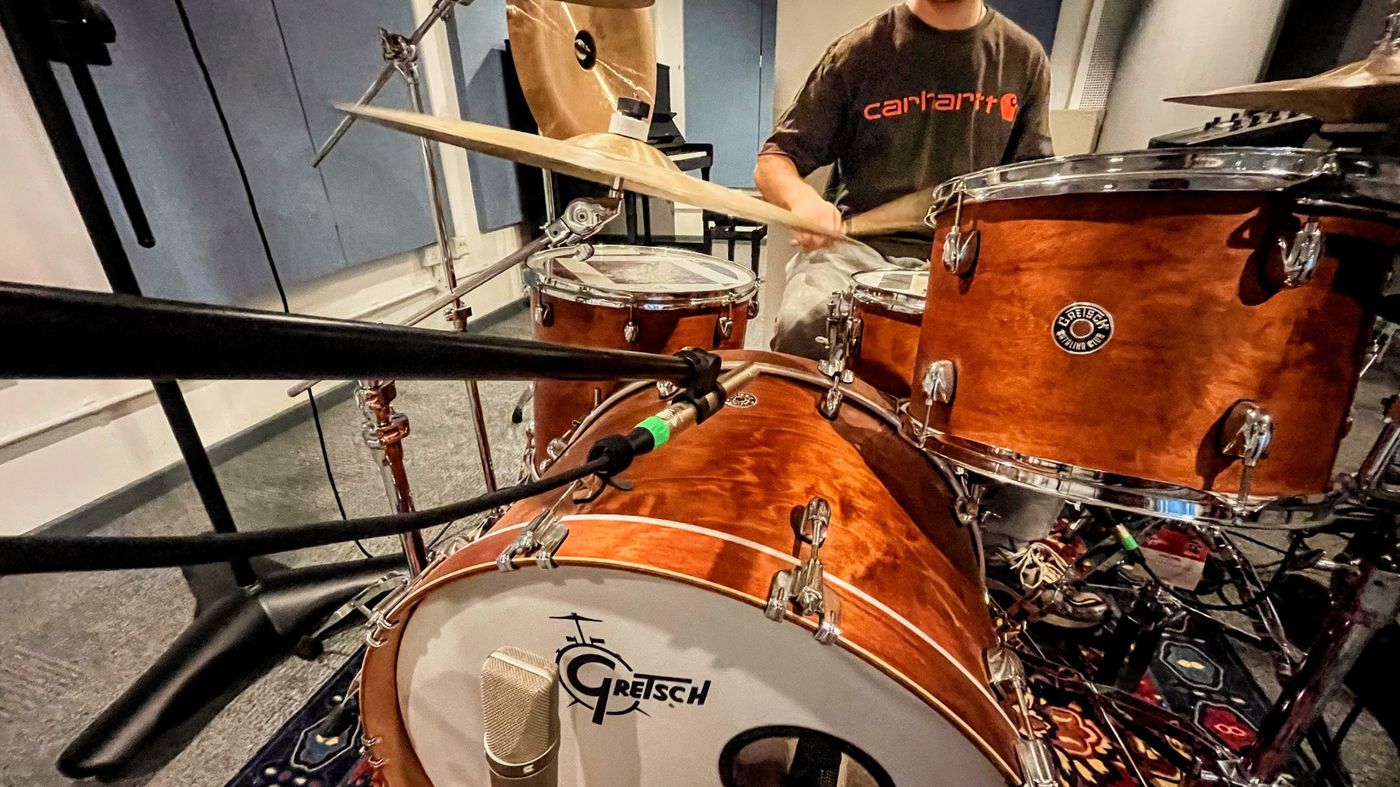
Fig 7: AKG 451 positioned as a Wurst mic
- Front of Kit (FOK): Neumann U87
Placed directly in front of the kit at a moderate distance to capture a balanced, immediate snapshot of the whole instrument.
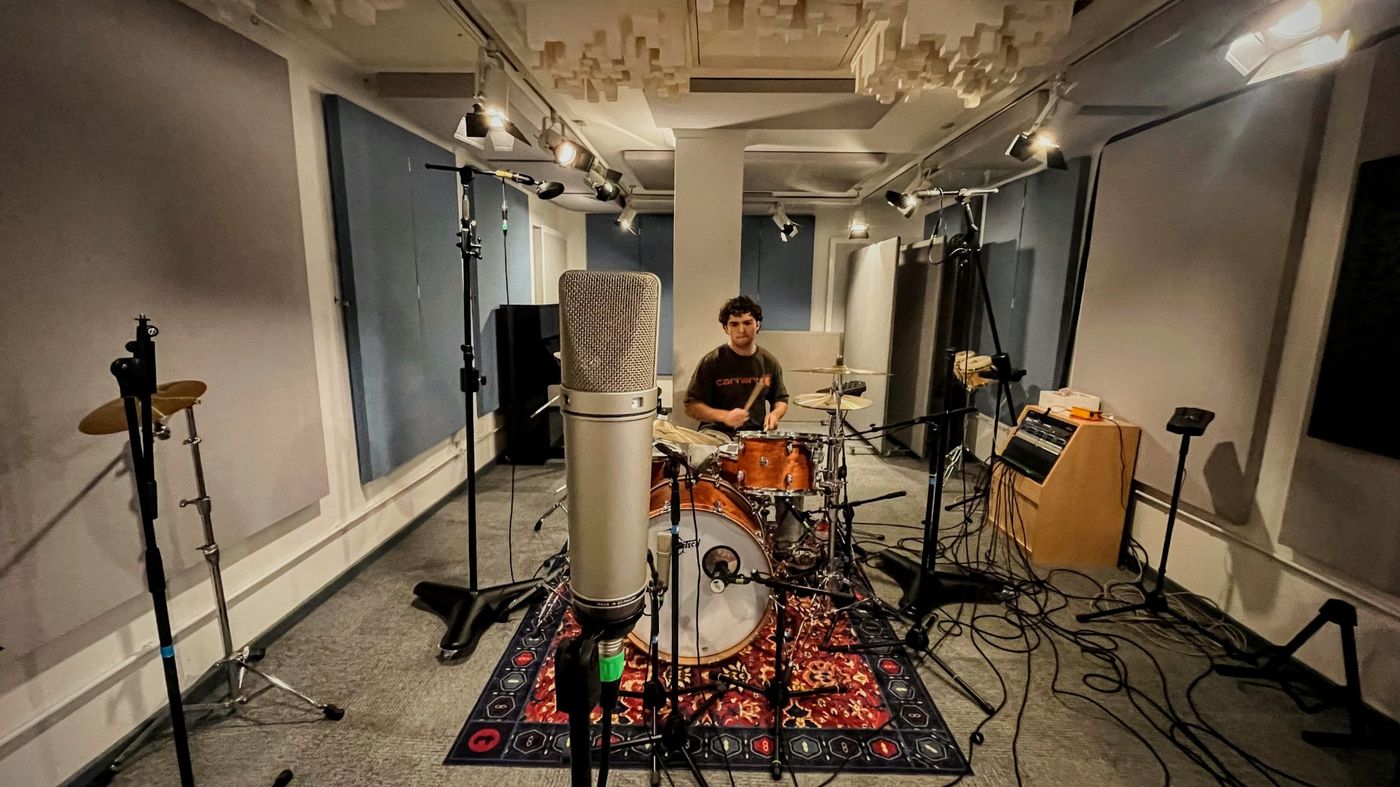
Fig 8: Neumann U87 positioned directly in front of the kit at a moderate distance
- Room (L/R): Neumann KM184
These small-diaphragm condensers were spaced widely across the room to capture immediate lateral reflections, ensuring a wide, cohesive stereo spread that supports a modern mixing workflow (Produce Like A Pro, 2015).
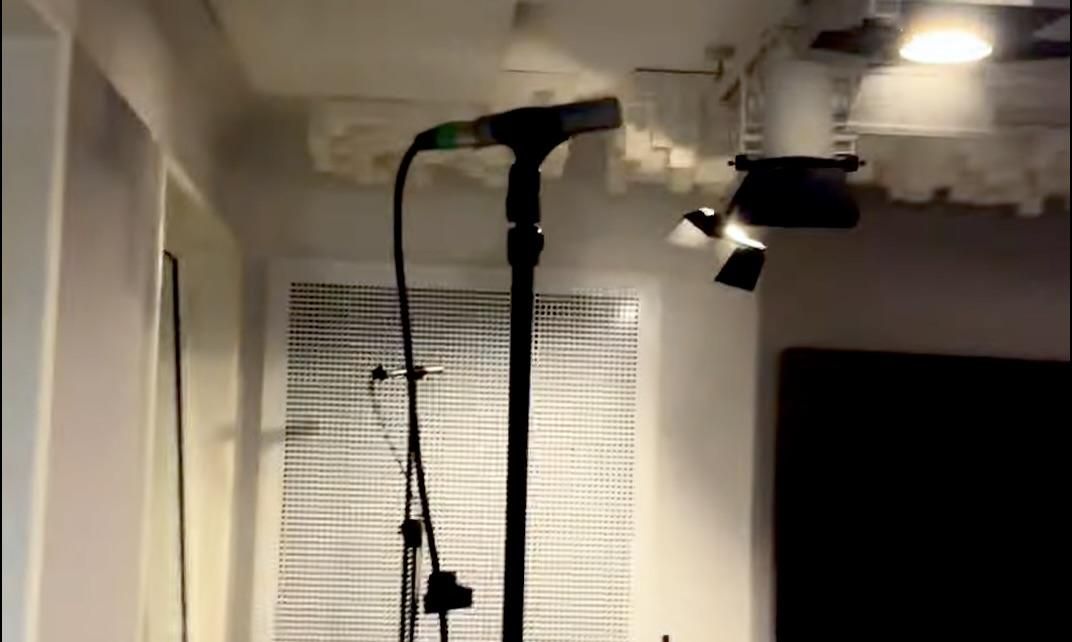
Fig 9: Neumann KM184s placed far from the kit capture lateral reflections
- Hall (Close - Cardioid): Rode M5
Positioned just outside the live room doors, this small-diaphragm condenser captures the immediate early reflections of the acoustic space, acting as a natural "pre-delay" for the drum kit.
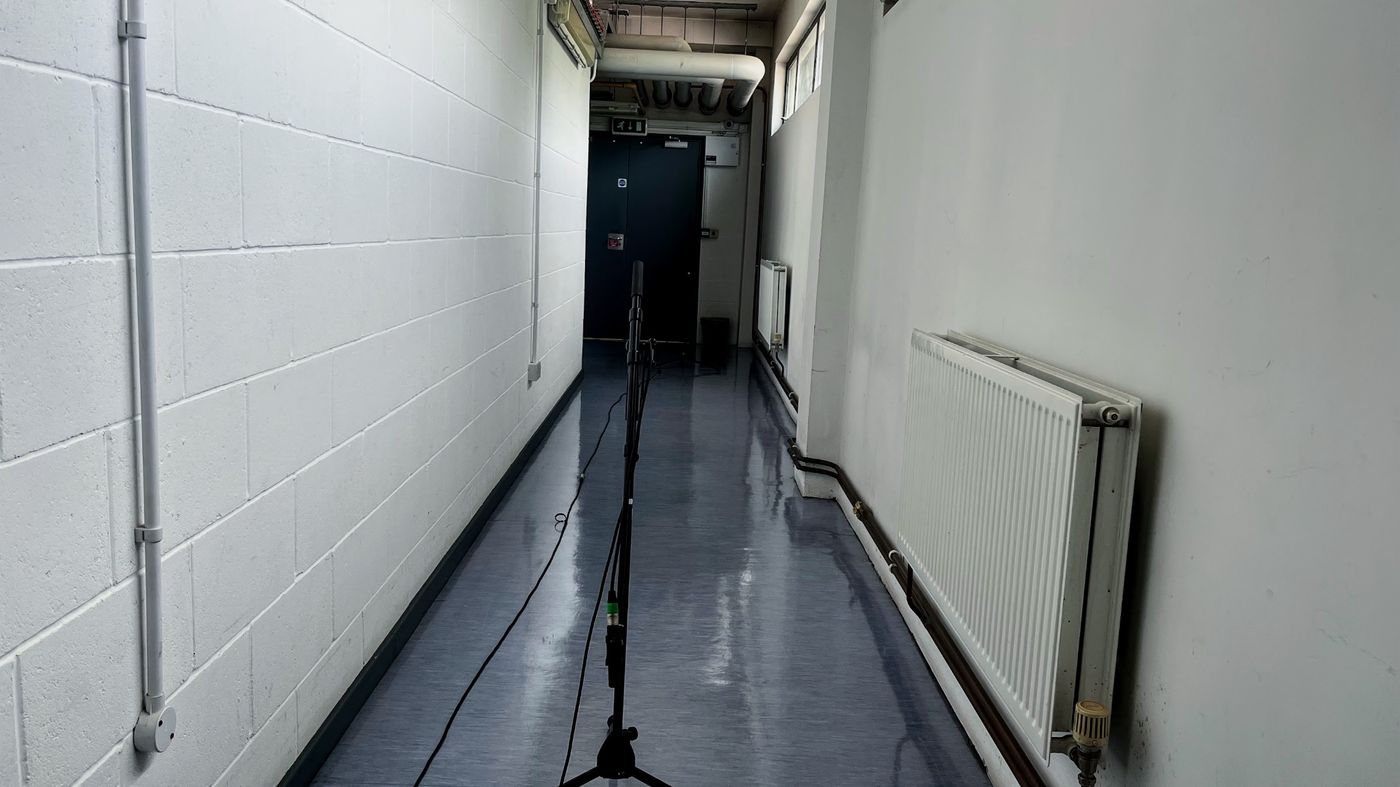
Fig 10: Rode M5 positioned just outside the live room doors
- Hall (Further): Rode M5
Positioned deeper down the hallway to capture the scattered, late-arriving tail of the acoustic reverb.
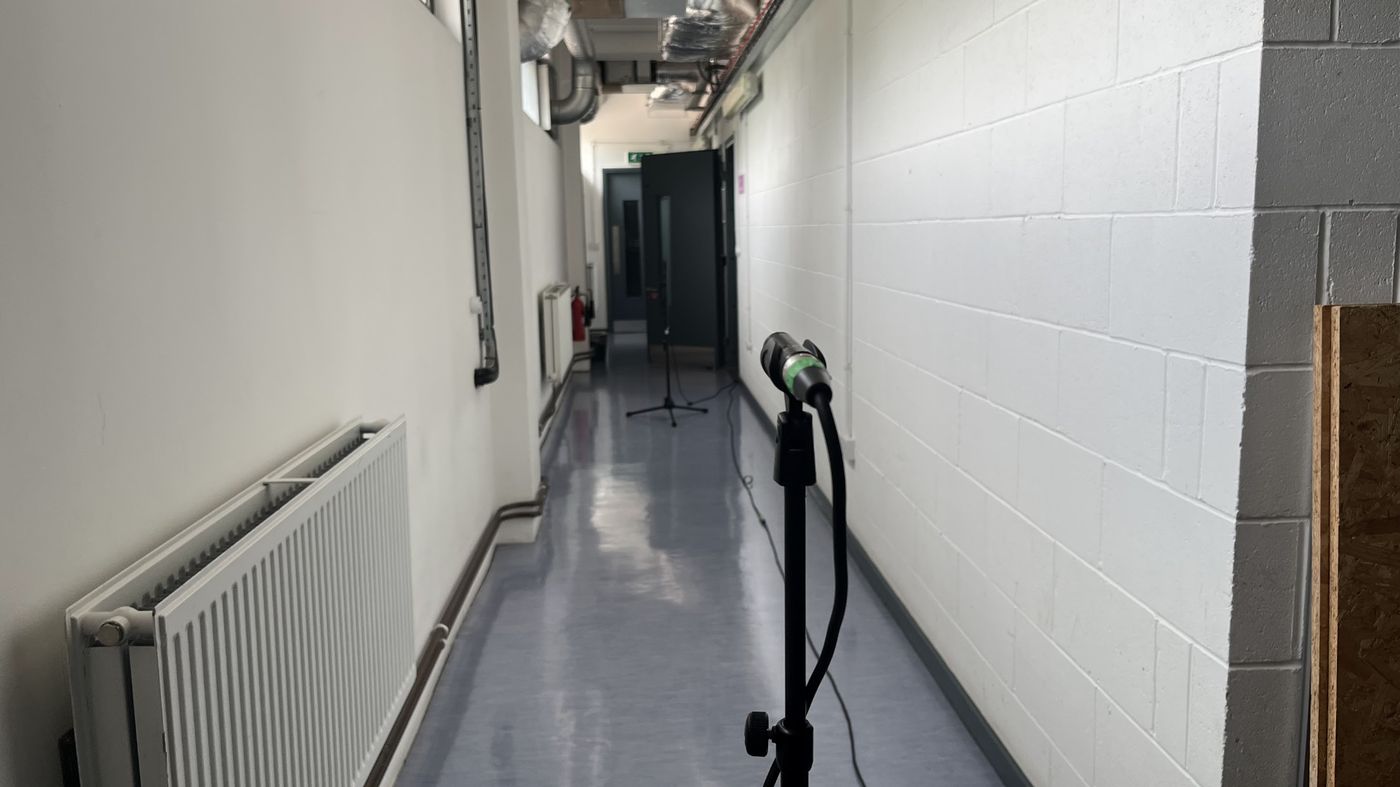
Fig 11: Rode M5 positioned deeper down the hallway to capture the late-arriving tail of the acoustic reverb
The Spatial Philosophy & Processing: Staggering two Rode M5s at varying distances physically maps the depth of the studio environment. Sound travels at approximately 1 foot per millisecond; by placing the mics at different distances, I am mechanically creating a complex, multi-stage reverb tail on the studio floor rather than relying on digital algorithms later.
Capturing the physical boundaries of a space provides the necessary ambient material to heavily compress the distant room microphones during the mix phase, a staple technique in modern drum setups (Produce Like A Pro, 2015).
By driving these staggered hall mics hard into an analog compressor, the quietest parts of the reverb tail are forcefully pulled up, creating an explosive, breathing room sound that glues the entire drum kit together with a natural ambiance that digital plugins simply cannot replicate.
Guitars: Bridging the Acoustic Space
Following the drum tracking, Thomas immediately picked up the guitar. To ensure the guitars sat perfectly within the massive drum environment we had just created, I made a critical tracking decision: I left the Rode M5 hall microphones active.
We placed the amp right at the entrance of the studio so we could mic it and also pick up the good amount of wet signal in the hall.
The Guitar Signal Chain:
- Amp Front (Condenser): Neumann U87.
Placed dead-center on the speaker cone. The primary role of the U87 in this setup is to capture the aggressive "bite," pick articulation, and upper-midrange presence of the guitar tone. Large-diaphragm condensers excel at capturing the full-frequency fidelity of a source, ensuring the instrument cuts through a dense commercial mix.
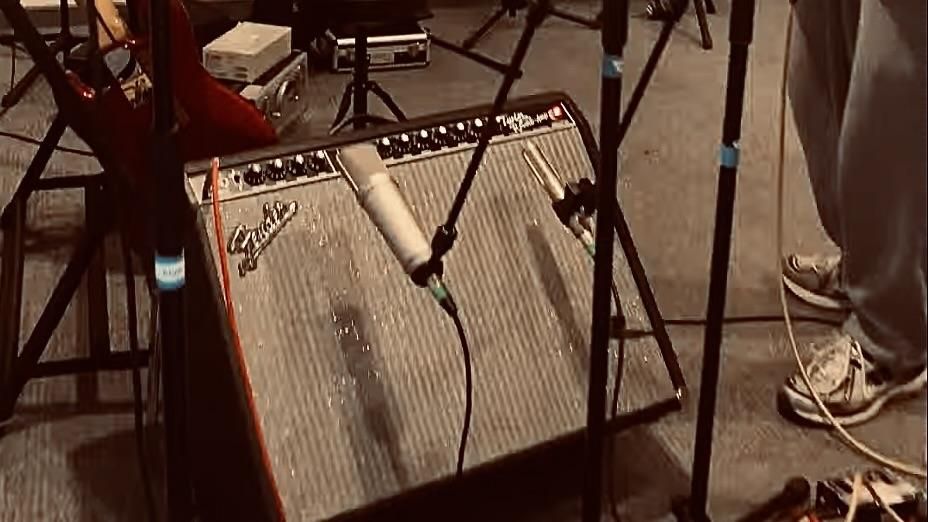
Fig 12: Neumann U87 placed dead-center on the electric guitar amplifier speaker cone
- Amp Front (Ribbon): Royer R-121
The R-121 is highly capable of handling extreme SPLs while naturally smoothing out the harsh, fizzy top-end frequencies typical of electric guitar distortion (Beato, 2019). Blending the thick low-mid "meat" of the Royer with the crisp transient articulation of the U87 creates a massive, mix-ready wall of sound.
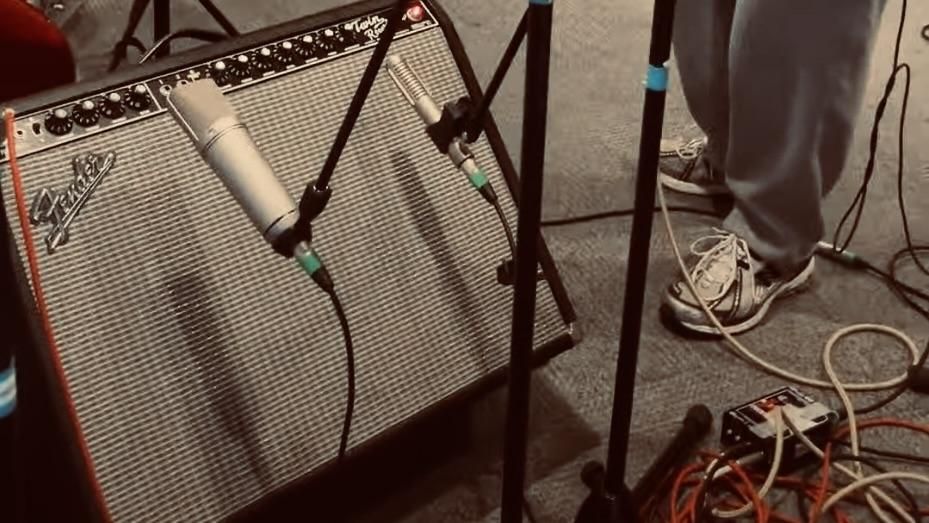
Fig 13: Royer R-121 ribbon microphone positioned on the electric guitar amplifier
- Direct: DI Signal.
When recording with such creative and experimental setups it is very important to have DI signals for safety and future changes.
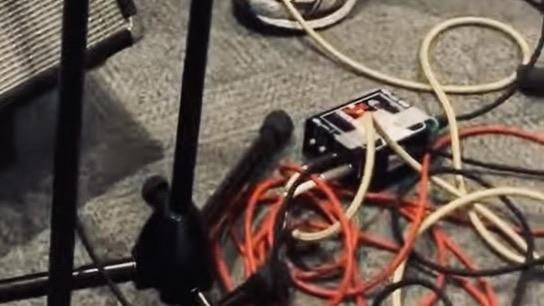
Fig 14: Direct line-in signal capture for the electric guitar
- Hall (Near & Far): Rode M5s.
Utilizing the same spatial philosophy applied during the drum session, this array captures both immediate and distant reflections to provide a cohesive, three-dimensional ambient footprint.
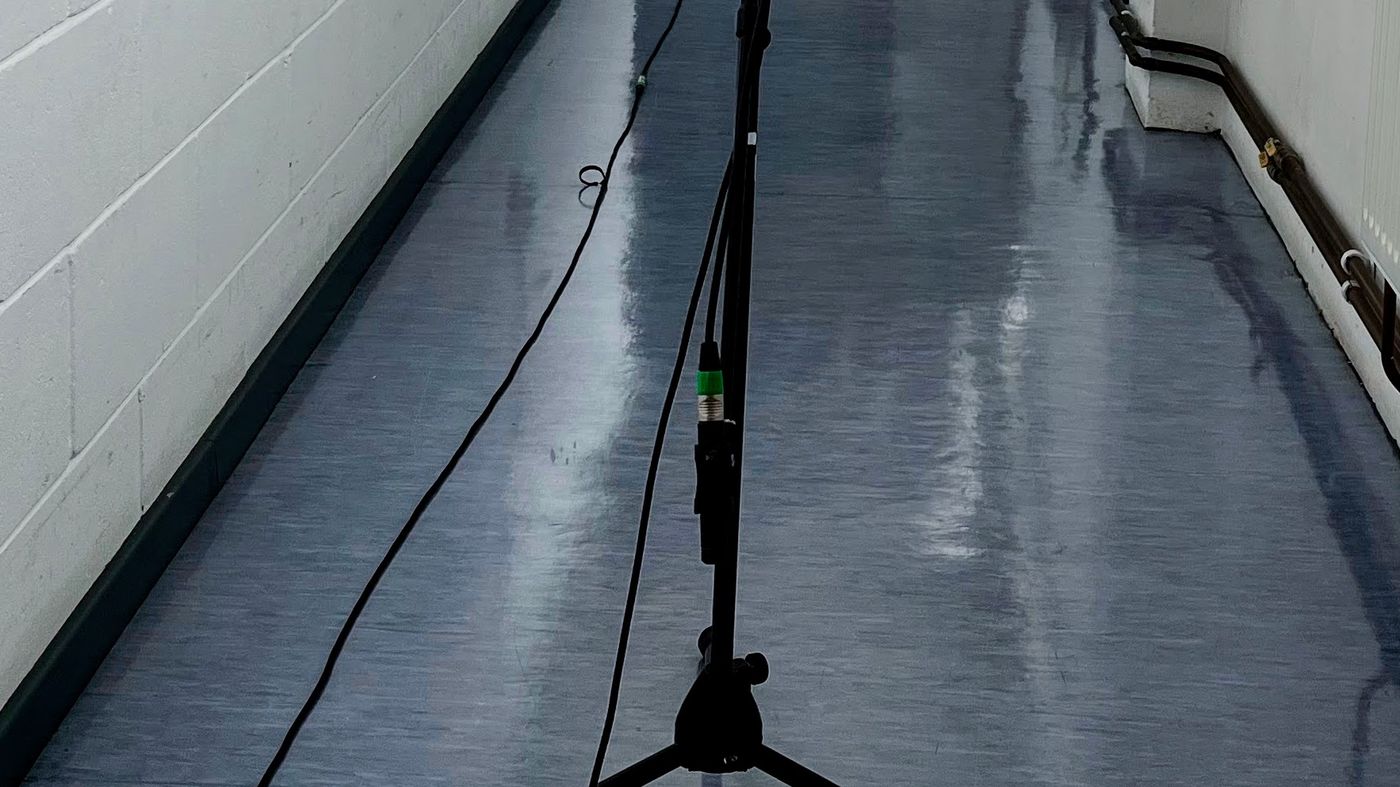
Fig 15: Rode M5 hall microphone left active to capture near reflections during guitar tracking
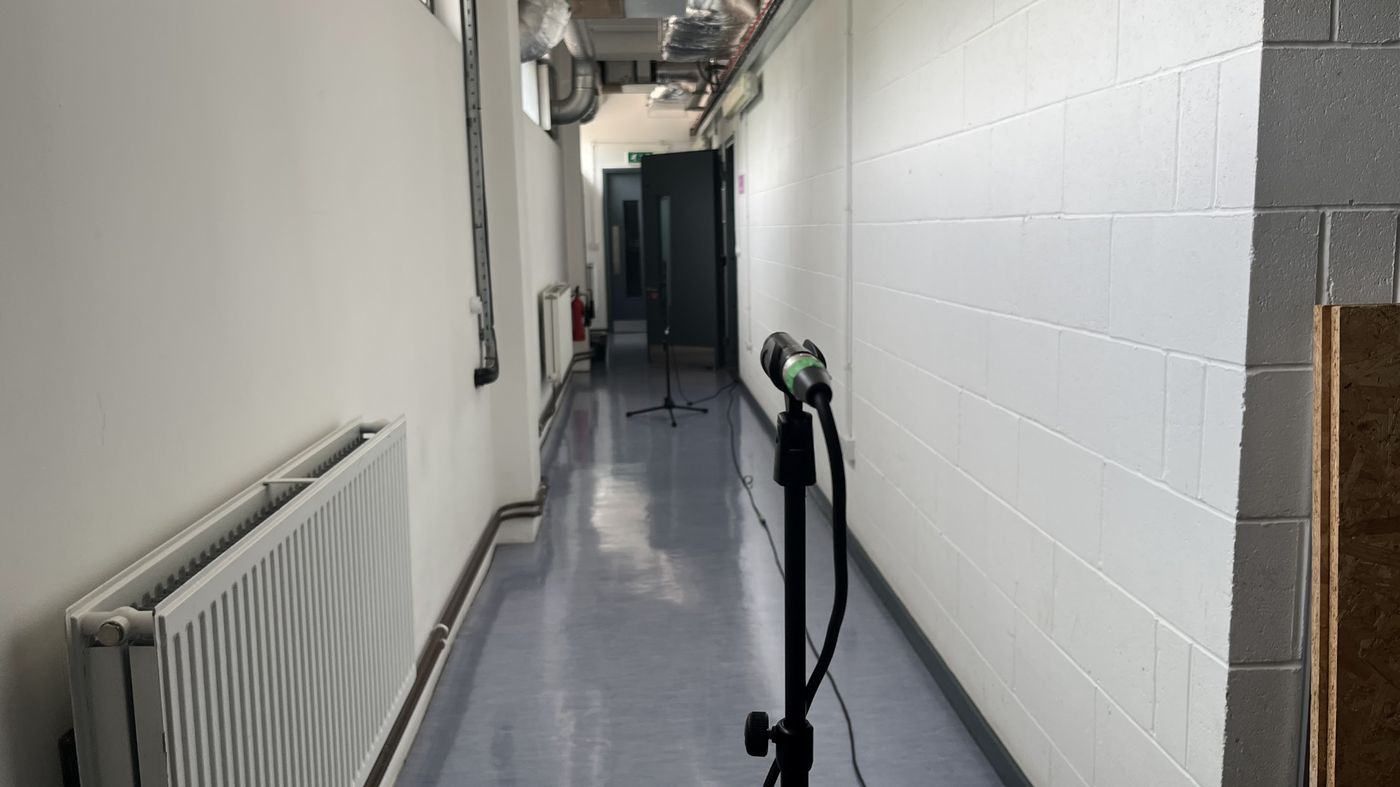
Fig 16: Rode M5 hall microphone left active to capture far reflections during guitar tracking
By capturing the guitar amplifier bleeding out into the physical hall mics that were just used for the drums, the two instruments are glued together by the exact same acoustic space. Thomas laid down three distinct layers—Main rhythm, a Double Track (DT), and a Solo.
Session Workflow: To maintain speed and organization, I created Track Stacks in Logic Pro for each multi-mic guitar part. This organizational routing not only prevented session clutter but allowed me to easily sum the heavy multi-mic guitar captures into mono. This streamlined the Hearback monitoring process, allowing me to send a single, unified guitar stem to a single channel on the artist's hearback unit.
Bass:
With the foundation built, we moved efficiently through the final elements. Thomas's internal clock is phenomenal, making the bass and vocal tracking incredibly smooth.
Bass Capture: For the bass, we bypassed the DI entirely and focused on capturing the amps.
I utilized a dual-mic approach, placing a Neumann U87 and a Royer R-121 directly at the outer edge of the speaker cone. The center of a speaker cone—specifically the dust cap—produces the brightest, most aggressive upper-mid frequencies, whereas moving toward the outer edge yields significantly darker, warmer tones (White, 2001). This specific off-axis edge placement naturally rolls off the harshness while balancing the punchy attack of the bass with a rolling, sub-heavy low-end response.
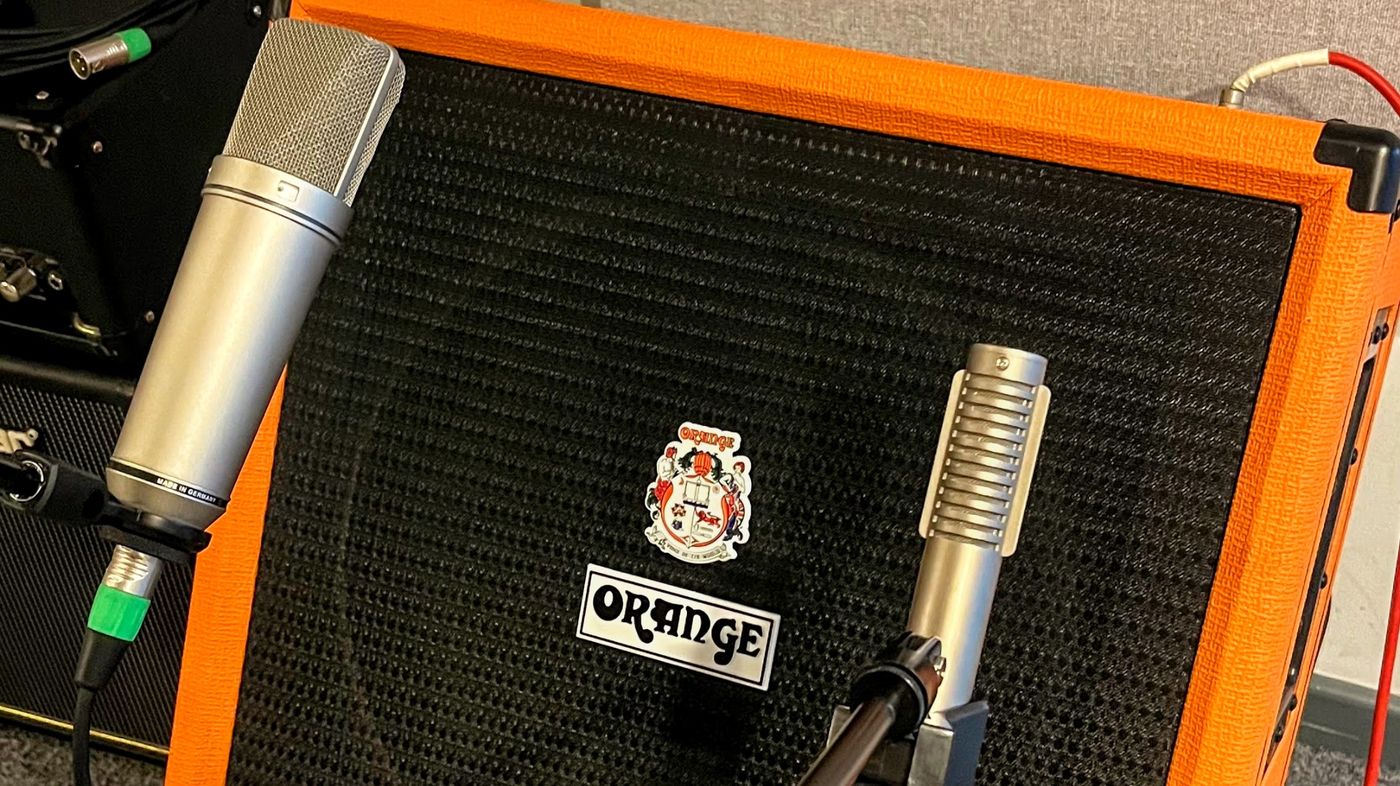
Fig 17: Dual-mic setup featuring a Neumann U87 and Royer R-121 at the outer edge of the bass amplifier speaker cone
Vocals
For the vocals, we stripped the signal chain back to a single, premium capture:
- Lead & Harmonies: A single Neumann U87.
Thomas executed three precise vocal passes: the Main lead, a tight Double Track (DT) for thickness, and a Harmony layer. The U87 is an exceptional choice for vocals because its large diaphragm captures incredible detail and warmth at close proximity without introducing harshness (Soulsound, 2015). Furthermore, its specific frequency response—warm low-mids combined with clear upper-mids, triggers a psychological sense of trustworthiness and emotional engagement, ensuring the vocal connects immediately with the listener (The Microphone Assassin, 2025). Because the instrumental tracks were so rich with natural room ambiance, tracking the vocals tightly through a single, high-fidelity condenser provided the perfect contrast, allowing the vocals to sit front-and-center in the mix while the band feels massive behind them.
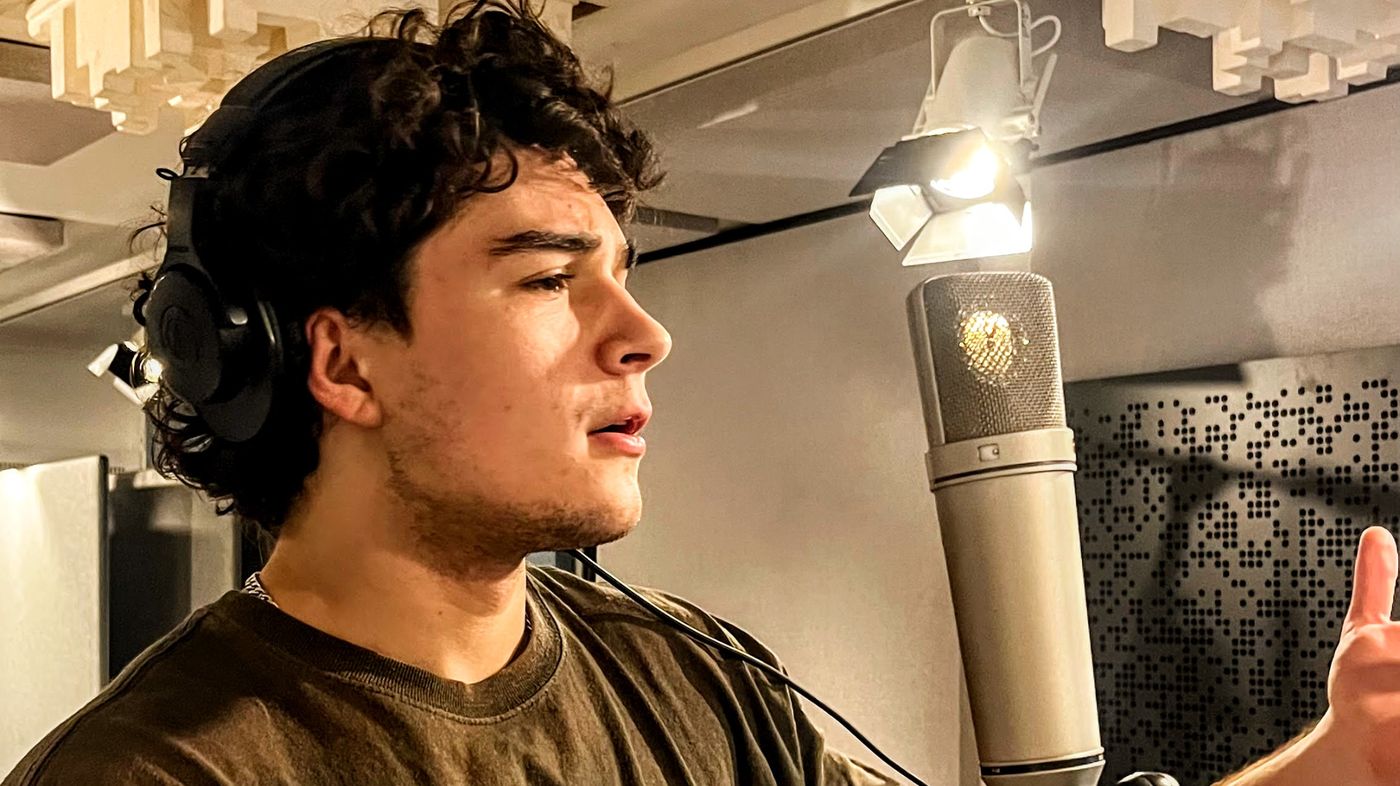
Fig 18: Neumann U87 deployed for lead and harmony vocal tracking
To track an entire commercial production in one day is a testament to the artist's preparation. As an engineer, keeping the technical workflow modular, trusting the room mics, and maintaining relentless forward momentum is what transforms a grueling 6-hour sprint into a deeply rewarding record.
References
Audio University (2023) Use these recording techniques for perfect guitar tone every time. YouTube, 6 April. Available at: https://www.youtube.com/watch?v=xcesQD7imoc (Accessed: 3 August 2026).
Beato, R. (2019) The BEST way to record GUITAR. YouTube, 27 June. Available at: https://youtu.be/PhLQuCVBUoE (Accessed: 3 August 2026).
Blomqvist, P. (2010) Stereo microphone techniques in drum recording. Bachelor’s thesis. Luleå University of Technology. Available at: https://www.diva-portal.org/smash/record.jsf?pid=diva2:1025450 (Accessed: 25 April 2026).
Coodley, M. (2013) 'Layering guitar parts', Berklee Today. Available at: https://www.berklee.edu/berklee-today/fall-2013/layering-guitar-parts (Accessed: 3 August 2026).
Georg Neumann GmbH (2023b) Recording Drums | Multi Microphone Setup | EP 3, 14 September. Available at: https://www.youtube.com/watch?v=e5epjN_wh9s (Accessed: 3 August 2026).
Henshall, M. (2015) 'Recording & mixing bass guitar', Shure, 23 February. Available at: https://www.shure.com/en-GB/insights/recording-mixing-bass-guitar (Accessed: 22 July 2026).
Hirst, J. (2015) Drum recording techniques. Miloco Studios. Available at: https://milocostudios.com/toptip/drum-recording-techniques-by-joe-hirst/ (Accessed: 25 April 2026).
Lewis, K. (no date) 'Layering guitars for maximum impact', Universal Audio. Available at: https://www.uaudio.com/blogs/ua/studio-basics-layering-guitars?srsltid=AfmBOoovEdGOtX9Rl6G1JxfrvZhNTqHNikH3kxy5OL8o2y9sCVdMPOww (Accessed: 3 August 2026).
Pack, B. (n.d.) Stereo microphone techniques and when to use them. Audio Issues. Available at: https://www.audio-issues.com/keeping-track/stereo-microphone-techniques-and-when-to-use-them/ (Accessed: 25 April 2026).
Produce Like A Pro (2015) Hybrid Studios drum setup - Warren Huart: Produce Like A Pro. YouTube, 19 October. Available at: https://www.youtube.com/watch?v=kifC0Qvf26A (Accessed: 3 August 2026).
Robjohns, H. (2003) 'Recording drums: a practical guide', Sound on Sound, February. Available at: https://www.soundonsound.com/techniques/recording-drums (Accessed: 25 April 2026).
Royer Labs (no date) Recording electric guitar. Available at: https://royerlabs.com/recording-electric-guitar/ (Accessed: 22 July 2026).
Schneider, M. (2014) Moses Schneider about "the Wurst" - the alternative workbook. YouTube, 1 September. Available at: https://youtu.be/__Bh3D_Pvt8 (Accessed: 3 August 2026).
Schneider, M. (2015) Moses Schneider: Drums With Character. YouTube, 20 July. Available at: https://youtu.be/tbPAvl7QA20 (Accessed: 3 August 2026).
Soulsound (2015) Recording Vocals Masterclass: Marcel van Limbeek reveals his favourite mics for recording vocals. YouTube, 26 April. Available at: https://www.youtube.com/watch?v=XmBW5kpxY04 (Accessed: 3 August 2026).
The Microphone Assassin (2025) Why We Love the Sound of a Neumann u87 Microphone. YouTube, 7 July. Available at: https://www.youtube.com/watch?v=p1HAvxDeiH0 (Accessed: 3 August 2026).
White, P. (2001) 'Recording bass instruments', Sound on Sound, October. Available at: https://www.soundonsound.com/techniques/recording-bass-instruments (Accessed: 22 July 2026).