By Terence Law
18th June, 2026
A significant part of commercial audio engineering is knowing when to enforce technical structure and when to completely throw it away. In this blog, I am documenting a highly organic, experimental session with a singer-songwriter named Samba.
Unlike previous artists who arrived with sorted demos, Samba brought newly written songs that hadn't been produced or even demoed. He is primarily a guitarist and vocalist but possesses a strong willingness to experiment in the studio. Because we were building the track from scratch on the studio floor, the production had to be entirely reactive to his emotional delivery.
Here is how we navigated the challenges of free-time recording, acoustic double-tracking, and the discipline of knowing when an experiment isn't working.
The Acoustic Capture: Three-Mic Width and Ribbon Smoothness
Because the acoustic guitar was going to be the foundational anchor of the track, capturing a wide, full-frequency image was paramount. I designed a three-mic array that utilized both small-diaphragm condensers for transient detail and a classic ribbon microphone for warmth(Senior, 2010; MXL Microphones, 2017):
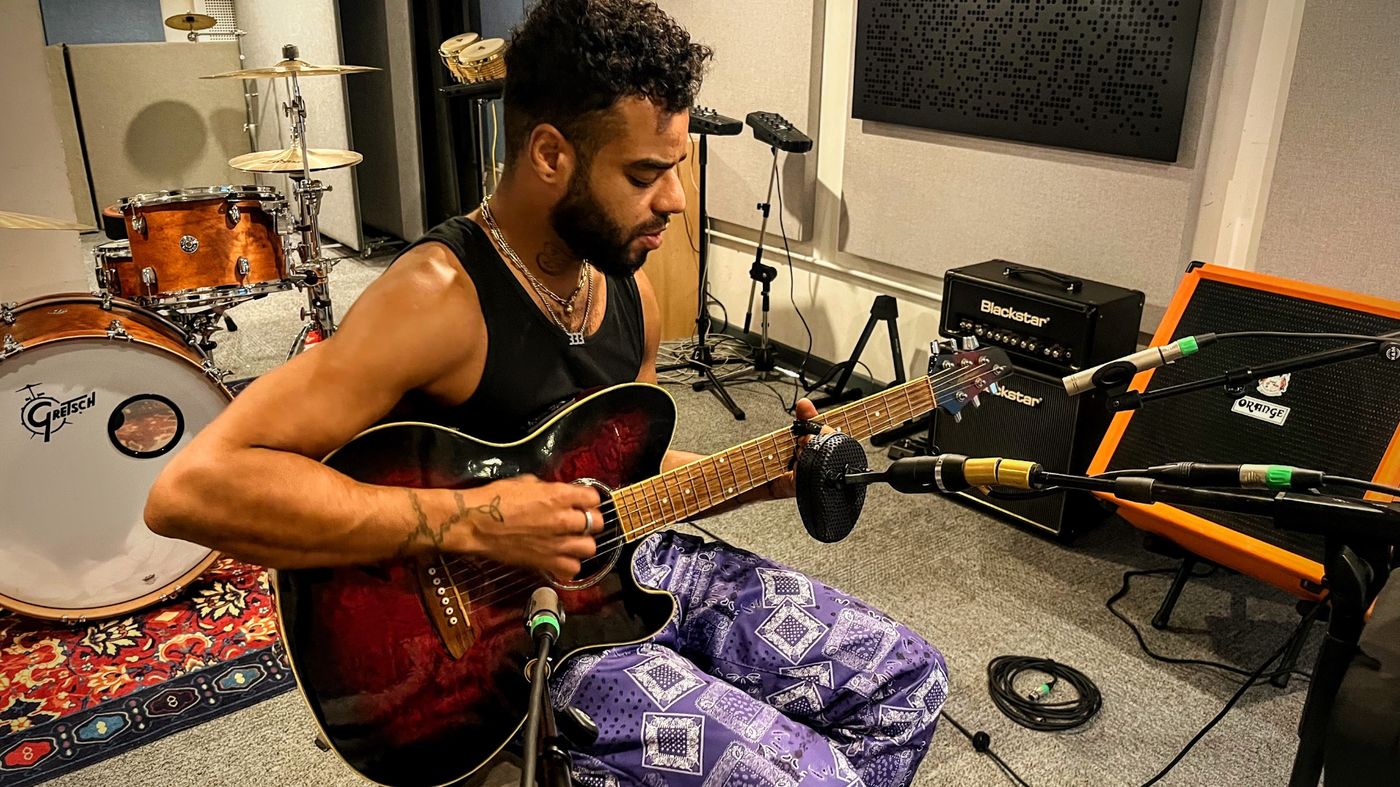
Fig 1: Three-mic array utilizing small-diaphragm condensers and a ribbon microphone for the acoustic guitar
- Left Neck: Neumann KM184. Placed near the fretboard where he was voicing the chords. Utilizing a small-diaphragm condenser here is crucial for capturing the fast transient details and percussive articulation of the fingers against the strings.
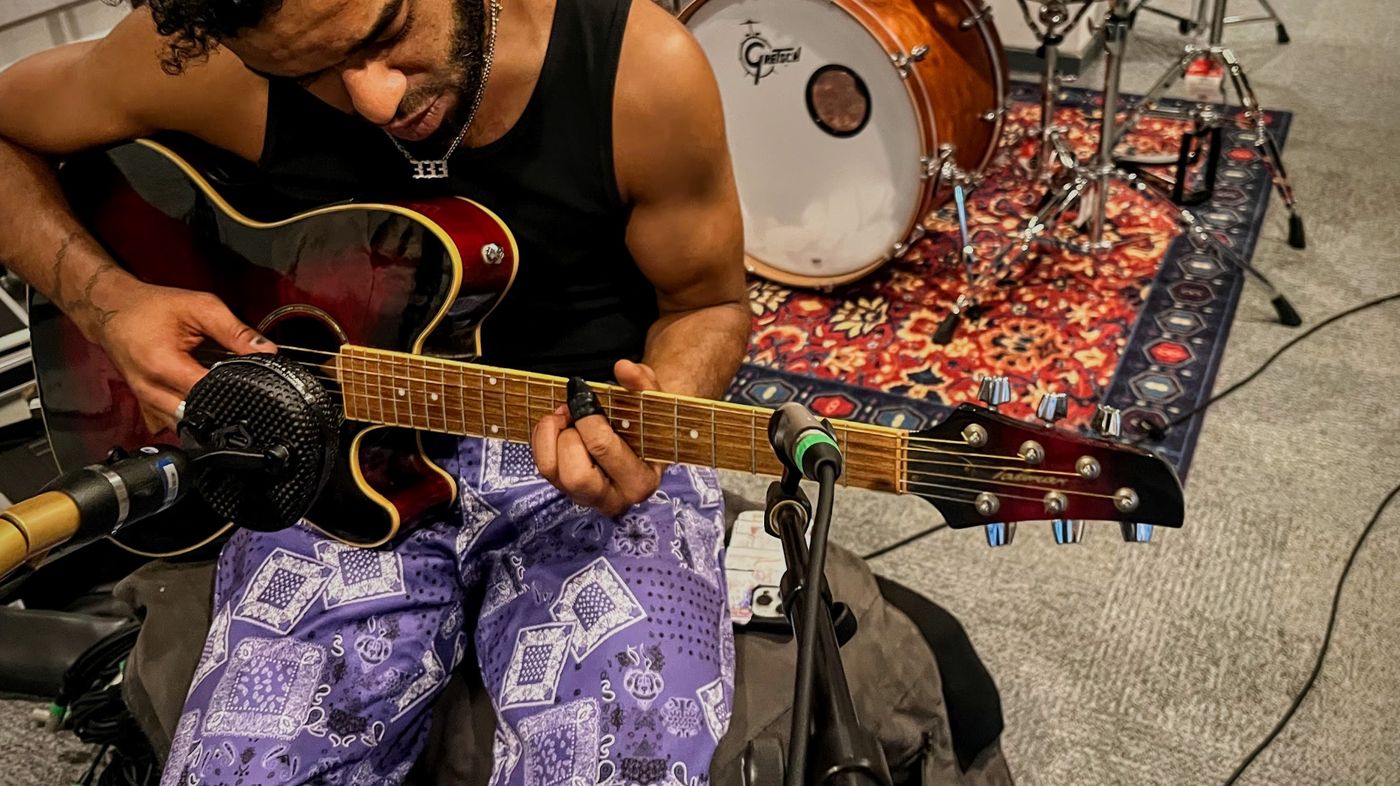
Fig 2: Neumann KM184 small-diaphragm condenser placed near the fretboard
- Right Body: Neumann KM184. Positioned just below the soundhole. Pointing a mic directly at the soundhole often results in unusable, muddy low-end build-up. By placing this mic slightly off-axis and below the hole, I captured the rich lower-mid resonance of the guitar body without overwhelming the capsule with proximity effect or "boominess."
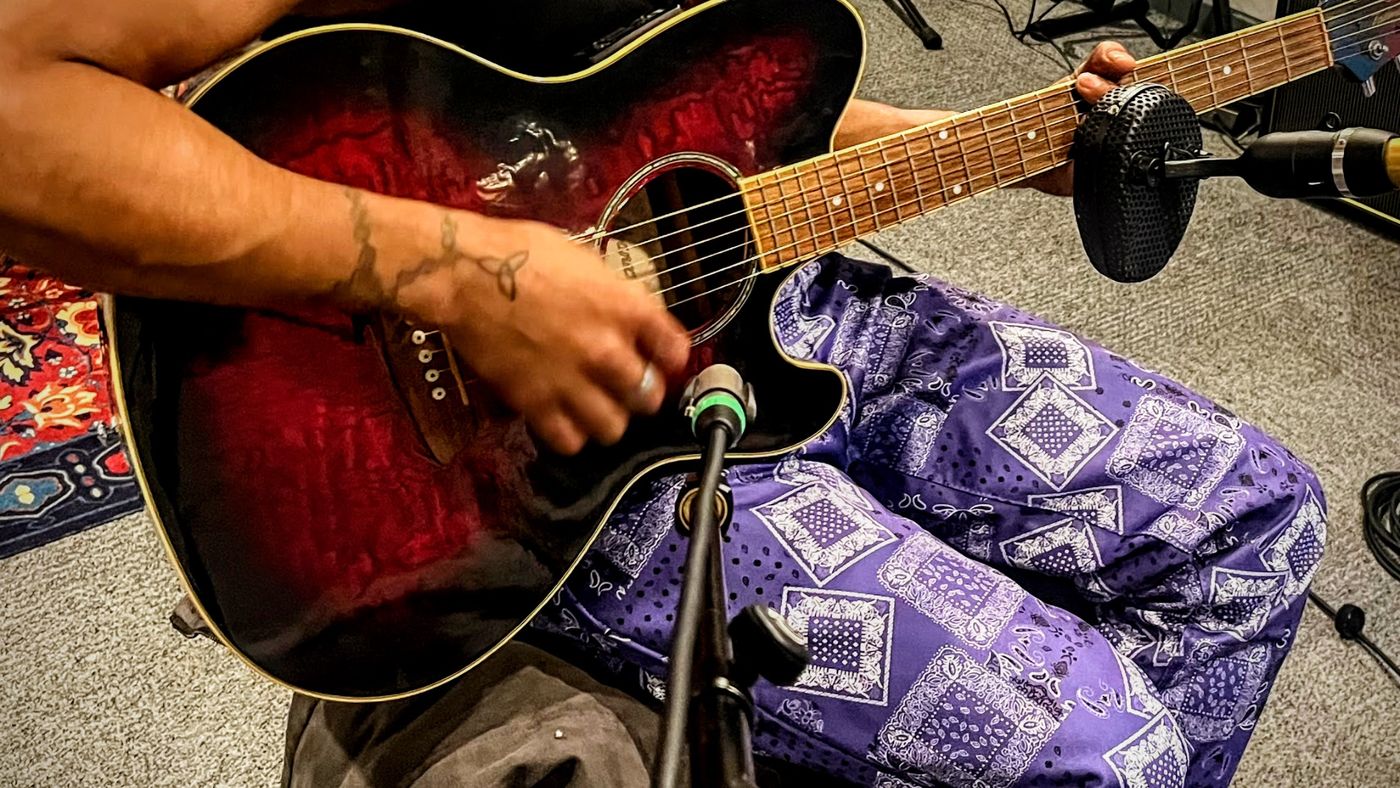
Fig 3: Neumann KM184 small-diaphragm condenser positioned off-axis just below the soundhole
- 12th Fret (Mid): Coles 4038. Positioned near the 12th fret to bridge the stereo spread. The ribbon element of the Coles 4038 is famous for its smooth, dark frequency response, naturally rolling off harsh, brittle highs. Using it here tamed the aggressive string squeak and provided a remarkably thick, complete acoustic foundation to anchor the center of the stereo field.
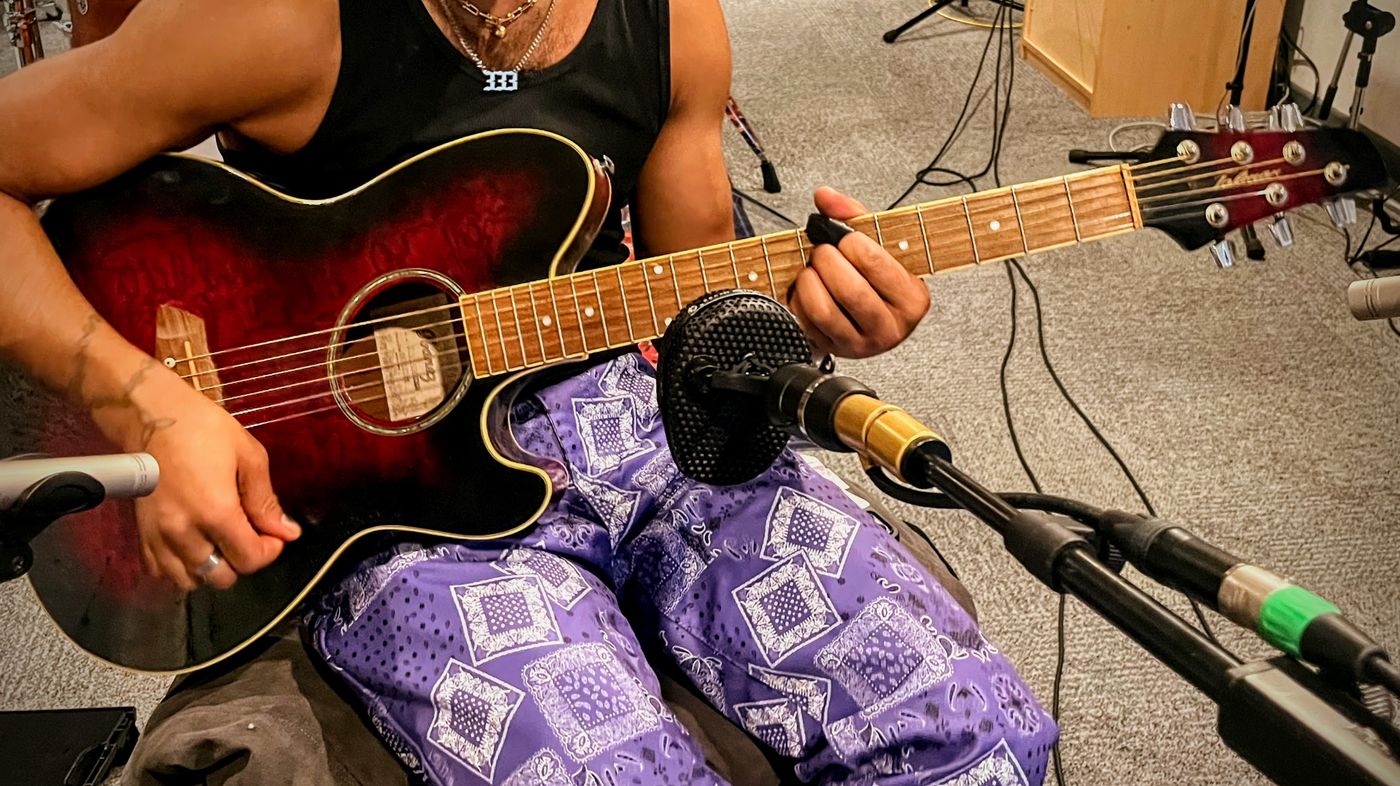
Fig 4: Coles 4038 positioned near the 12th fret of the acoustic guitar
Ditching the Metronome: The "Free Time" Pivot
After setting up the microphones and dialing in Samba’s monitor mix, we hit our first major production roadblock: the click track.
Samba was struggling to lock his performance to the metronome. The song was incredibly free-flowing, and the emotional push-and-pull of the narrative simply didn't sit right at a static tempo. Rather than forcing a rigid grid that would sterilize the performance, I made the call to mute the click track entirely (Kippo, 2018). We decided to record the foundational guitar track in "Free Time," allowing Samba's natural internal rhythm to dictate the flow.
The Double-Tracking Challenge
Recording a single instrument in free time is easy; overdubbing over it is incredibly difficult. Despite the lack of a click track, I knew the production needed the width of double-tracked guitars.
I asked Samba if he felt confident enough to double-track his performance by strictly following the ebb and flow of his first take. He was up for the challenge. Getting the timing right took immense concentration, but as we got the double track closer and closer to the original, something magical happened. Overdubbing in free time is incredibly demanding, but because human timing is never mathematically perfect, it yields beautiful sonic artifacts. The slight pitch and timing micro-variations between the left and right takes created a lush, natural phase relationship. When panned hard left and right, this natural chorus effect made the standard acoustic guitars sound almost like a, resonant 12-string guitar.(Coodley, 2013; Lewis, no date).
The Drum Experiment: Knowing When to Stop
With the acoustic bed laid down, Samba wanted to experiment with adding some percussion. We decided on a minimalist drum approach, utilizing just a kick, snare, and hi-hat. I set up a tight, 5-mic configuration (Robjohns, 2003):
- Kick In: Shure SM7B
This large-diaphragm dynamic microphone handles high sound pressure levels (SPL) effortlessly. Placed inside the drum, it isolated the focused, mechanical attack of the beater to give the kick its rhythmic definition.
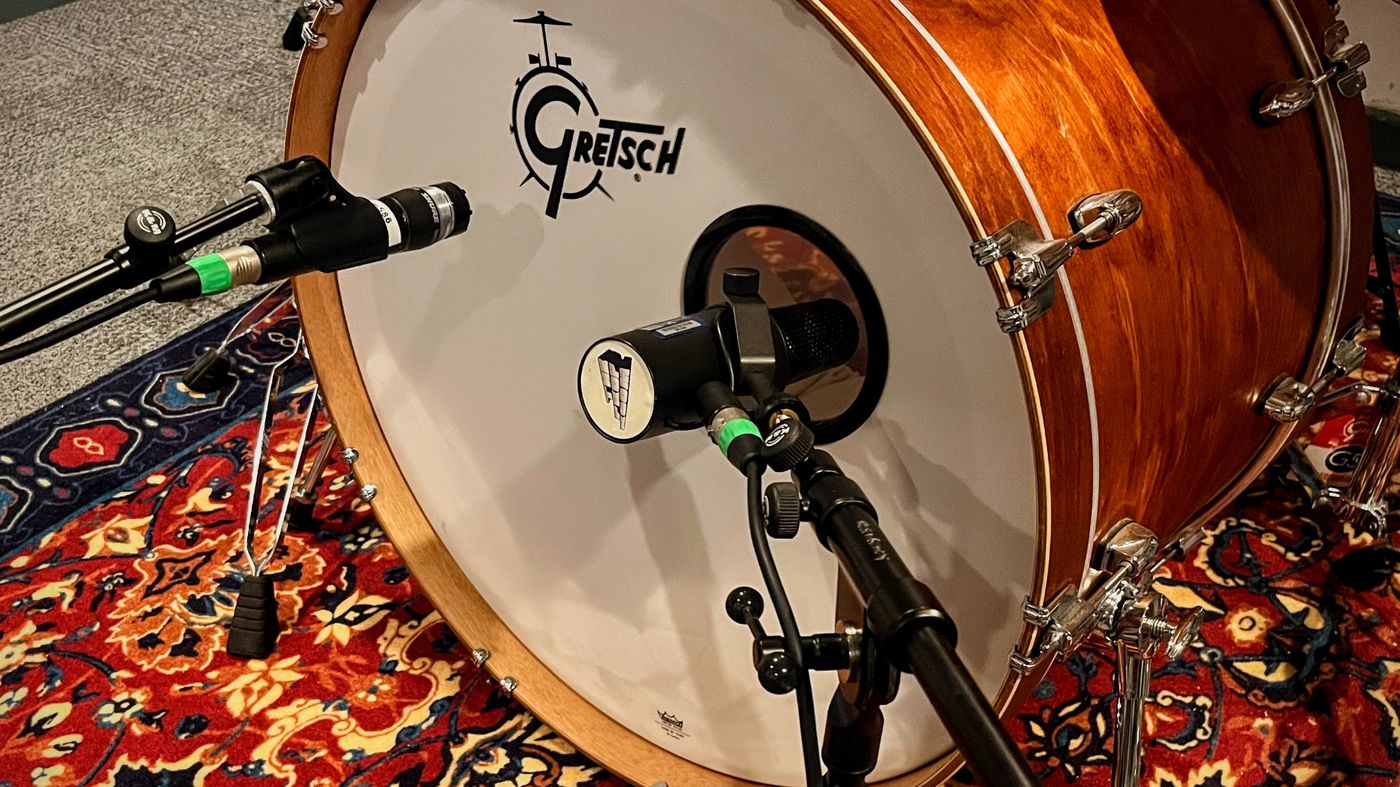
Fig 5: Shure SM7B placed inside the kick drum and SM57 placed outside
- Kick Out: Shure SM57
While traditionally used on snares, using a 57 on the outer resonant head captures a tight, midrange punch and shell resonance, ensuring the kick drum doesn't become too sub-heavy for an indie-acoustic arrangement.
- Snare Top: Shure SM57
The industry standard for a reason. Its tailored presence peak brings out the aggressive transient crack of the snare, while its cardioid pattern rejects bleed from the rest of the kit (Shure, 2026).
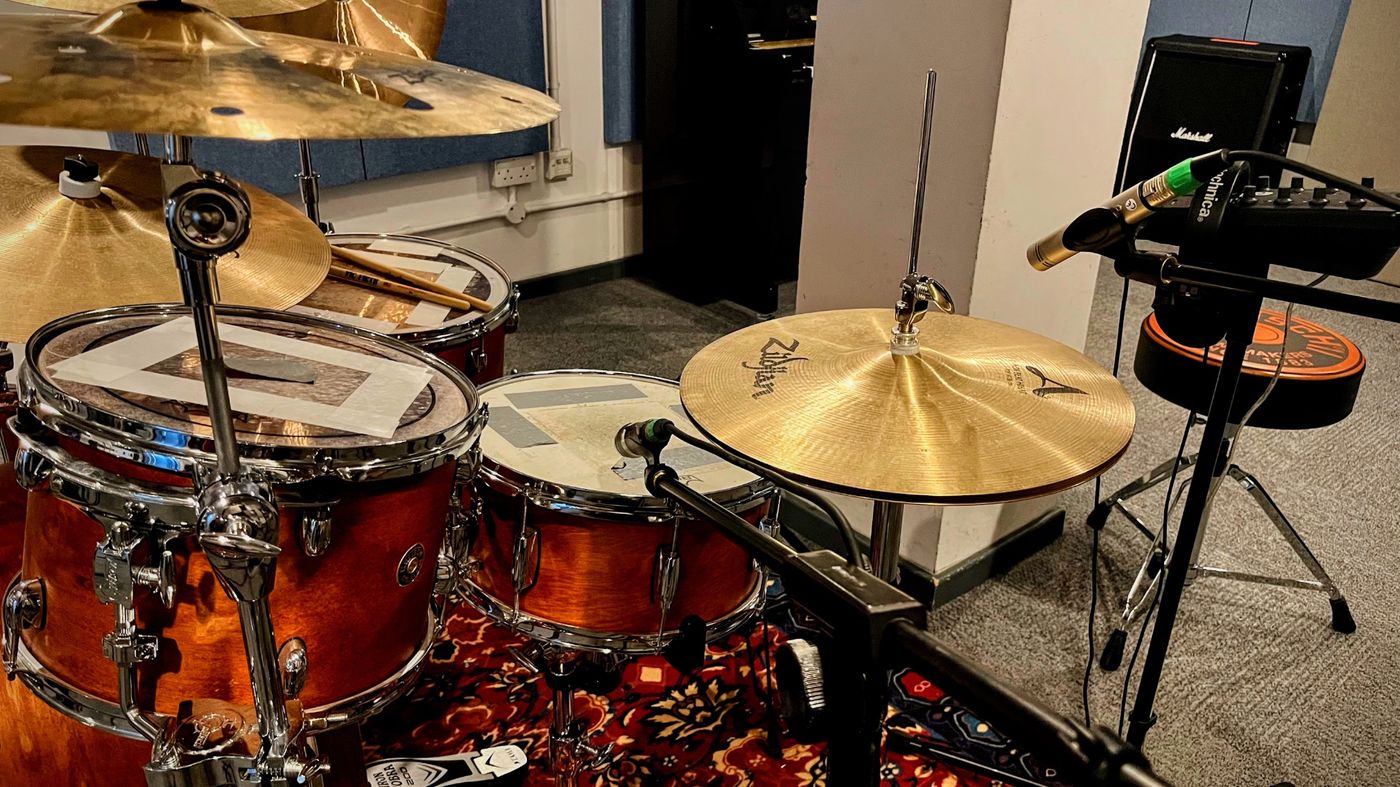
Fig 6: Shure SM57 positioned on the snare top to capture the aggressive transient crack
- Hi-Hat: Neumann KM184
A small-diaphragm condenser is perfect here to accurately track the fast transients and high-frequency sizzle of the cymbals without sounding brittle.
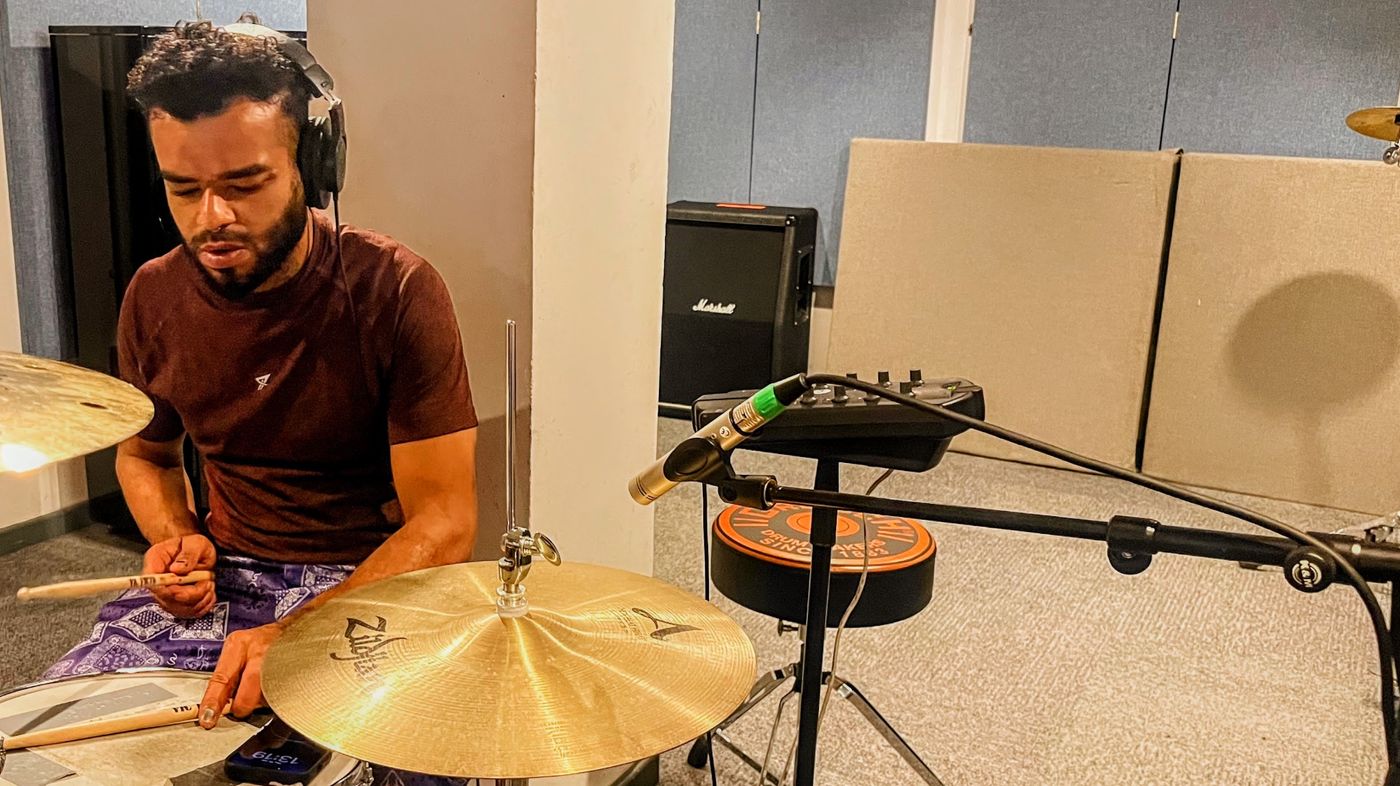
Fig 7: Neumann KM184 small-diaphragm condenser deployed for the hi-hat
- Overhead (Mono): Neumann KM184
Because the arrangement was stripped-back, I opted for a single mono overhead rather than a wide stereo spread. This provided a focused, phase-coherent, top-down picture of the entire kit, keeping the drums tightly anchored in the center of the mix.
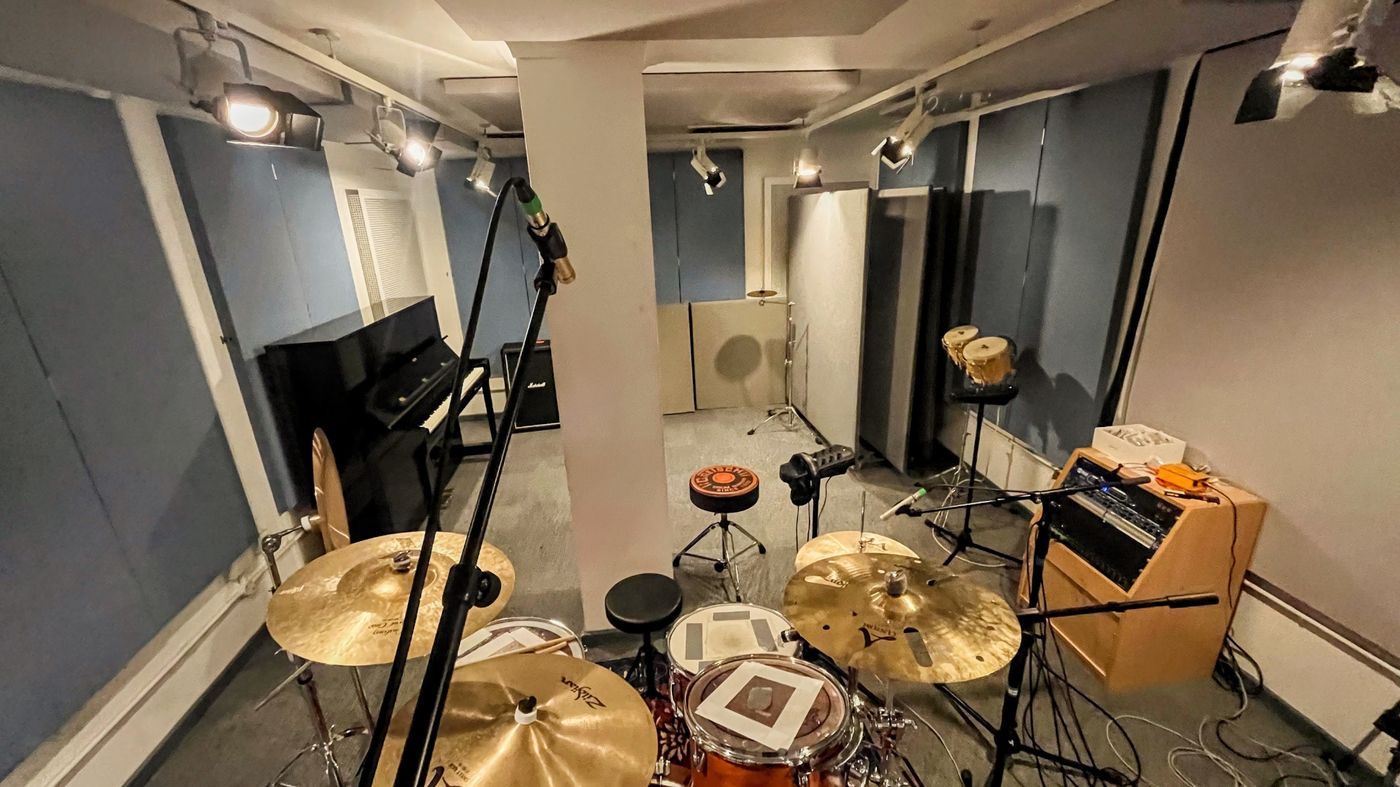
Fig 8: Single Neumann KM184 utilized as a mono drum overhead
The Reality of the Overdub: This is where the reality of our earlier "Free Time" decision caught up with us. Overdubbing drums onto a track that heavily fluctuates in tempo requires an exceptionally experienced session drummer who can anticipate the acoustic guitar's phrasing. Because Samba is not primarily a drummer, trying to chase the shifting tempo on the kit proved nearly impossible. The groove felt forced and disconnected.
As a producer/engineer, part of the job is knowing when to kill an idea. We quickly realized the drums were fighting the intimate nature of the song, so we made the executive decision to drop the drum tracking entirely and let the song remain stripped-back.
The Vocal Capture
With the instrumental arrangement finalized, we moved to the lead vocals. Because the song was sparse, emotional, and not overly elaborate, I didn't want a microphone that sounded hyper-modern or overly "airy."
I selected a Shure SM7B for the lead vocal. This large-diaphragm dynamic microphone is exceptional for intimate, focused vocal performances (Katz, 2025). It provides a thick and grounded midrange that sits perfectly inside the wide, double-tracked acoustic guitars.
This session was a fantastic exercise in adaptability. By trusting the artist's emotional timing over a digital grid, leaning into phase-rich double tracking, and possessing the discipline to abandon elements that didn't serve the song, we captured a highly authentic, mix-ready performance.
References
Coodley, M. (2013) 'Layering guitar parts', Berklee Today. Available at: https://www.berklee.edu/berklee-today/fall-2013/layering-guitar-parts (Accessed: 3 August 2026).
Gasson, J. (n.d.) Drum miking techniques. Third Circle Recordings. Available at: https://thirdcirclerecordings.co.uk/recording-blog/drum-miking-techniques/ (Accessed: 25 April 2026).
Hirst, J. (2015) Drum recording techniques. Miloco Studios. Available at: https://milocostudios.com/toptip/drum-recording-techniques-by-joe-hirst/ (Accessed: 25 April 2026).
Katz, L. (2025) 'Shure SM7B review: a studio vocal mic that lives up to the hype', SoundGuys, 31 July. Available at: https://www.soundguys.com/shure-sm7b-review-28438/ (Accessed: 16 August 2026).
Kippo, A. (2018) 'To metronome or not', Astia-studio, 1 October. Available at: https://astiastudio.fi/to-metronome-or-not/ (Accessed: 16 August 2026).
Lewis, K. (no date) 'Layering guitars for maximum impact', Universal Audio. Available at: https://www.uaudio.com/blogs/ua/studio-basics-layering-guitars?srsltid=AfmBOoovEdGOtX9Rl6G1JxfrvZhNTqHNikH3kxy5OL8o2y9sCVdMPOww (Accessed: 3 August 2026).
MXL Microphones (2017) Mic stuff: 7 critical tips on how to mic an acoustic guitar. 4 August. Available at: https://mxlmics.com/7-critical-tips-on-how-to-mic-an-acoustic-guitar/ (Accessed: 25 April 2026).
Robjohns, H. (2003) 'Recording drums: a practical guide', Sound on Sound, February. Available at: https://www.soundonsound.com/techniques/recording-drums (Accessed: 25 April 2026).
Senior, M. (2010) 'How to record a great acoustic guitar sound', Sound on Sound, April. Available at: https://www.soundonsound.com/techniques/how-record-great-acoustic-guitar-sound (Accessed: 3 August 2026).
Shure (2026) 'How to mic a snare drum with a Shure SM57', Shure Insights, 25 June. Available at: https://www.shure.com/en-GB/insights/how-to-mic-a-snare-drum-with-a-shure-sm57 (Accessed: 16 August 2026).
Theriot, K. (2025) 'Review of the Shure SM7B dynamic vocal microphone', Homebrew Audio, 30 July. Available at: https://www.homebrewaudio.com/20150/review-shure-sm7b-dynamic-vocal-microphone/ (Accessed: 16 August 2026).