By Terence Law
In modern commercial production, there is a constant temptation to lock every performance perfectly to a digital grid. However, when tracking indie artists, retaining the emotional ebb and flow of a human performance is often the most critical aspect of the session.
For this blog entry, I will be breaking down a recent full-band tracking session I engineered for indie artist Joey Bonito. The production required a highly organic approach, focusing heavily on acoustic instrumentation, classic micing techniques, and real-time arrangement pivots. Here is a technical breakdown of how we built the track from the floor up.
Day 1: Recording a Multi-instrumentalist: Racing Against Time
15 June 2026
The Piano Foundation: Embracing the "Human Feel"
We built the entire sonic foundation of the track around Joey’s piano performance. To capture a rich, colorful, and wide image of the instrument, I deployed a comprehensive multi-mic setup (Zack, 2025):
- A/B Spaced Pair: (Upright Piano - Top Removed): Rode M5s (L/R)
To capture the full frequency range and physical width of the upright piano, we completely opened the top lid and removed the front panel to expose the hammers and strings directly (Practical Music Production, n.d.). This crucial step prevents the sound from reflecting inside the wooden cabinet and creating a "boxy," resonant build-up. I then suspended an A/B spaced pair configuration directly over the open top. The overall goal of spacing the two microphones from above is to produce a panoramic stereo spread of the instrument (Practical Music Production, n.d.). By physically separating the left and right microphones, this technique relies on time-of-arrival differences to create an exceptionally wide stereo image, cleanly separating the heavy low strings on the left from the bright treble keys on the right. I specifically chose a matched pair of Rode M5 small-diaphragm condensers for this application; while large diaphragms are common, small-diaphragm microphones work exceptionally well in this configuration to capture a direct, full-bodied quality (Practical Music Production, n.d.). Their smaller capsules offer an incredibly fast transient response, allowing them to accurately capture the crisp, percussive attack of the hammers hitting the strings while maintaining a pristine, detailed high-end that cuts through an indie-rock mix.
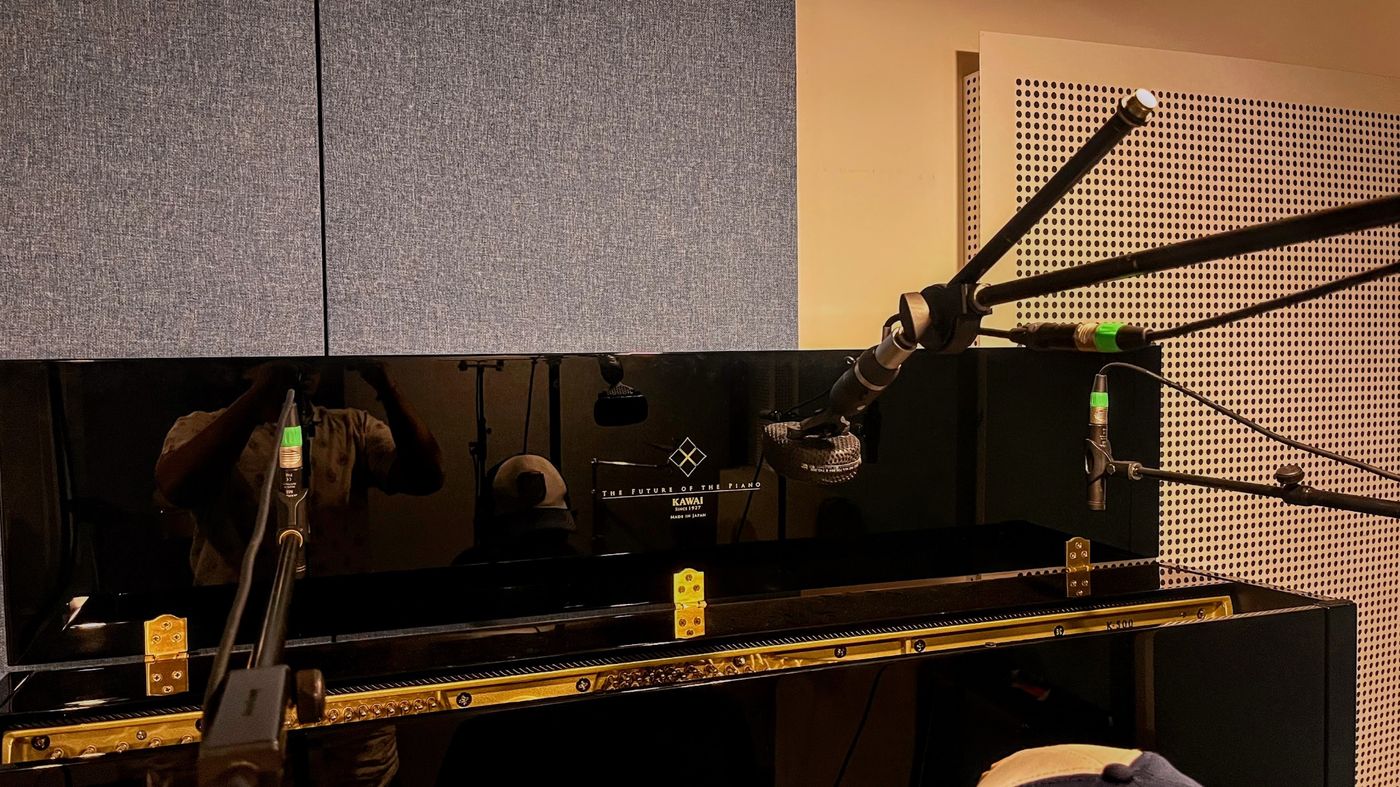
Fig 1: Rode M5 small-diaphragm condensers in an A/B spaced pair over the open top of the upright piano
- ORTF Pair: AKG 451s (L/R) Positioned to capture a phase-coherent, focused center-stereo image, they were placed behind the pianist, just slightly above head level. I deliberately placed this stereo array at a distance from the piano to capture the overall acoustic balance of the instrument from the "player's perspective," providing the best representation of what the pianist is actually hearing in the room. The ORTF technique, which utilizes two small-diaphragm condensers angled at 110 degrees and spaced 17 centimeters apart, was explicitly developed to approximate the position of human ears and simulate human hearing. By placing the array at a distance rather than close-miking the strings, the microphones capture a natural, cohesive blend of the direct sound of the piano and the reverberation of the acoustic space. The best part about using this technique is that it is mono collapsable (Urban Sound Studio, 2024). I selected a matched pair of AKG 451 small-diaphragm condensers for this task, as their fast transient response and detailed high-frequency capture are ideal for cleanly translating the natural air and spatial width of the room.
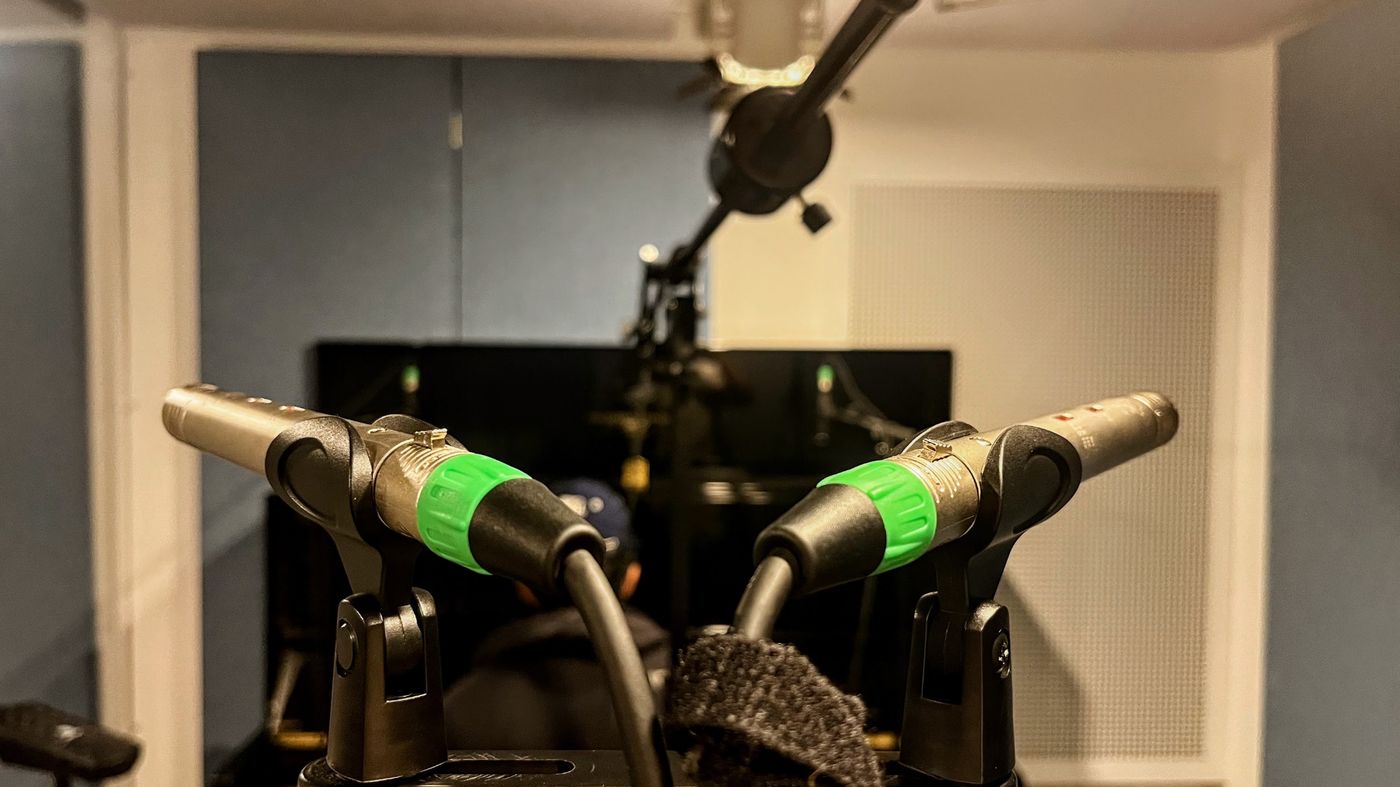
Fig 2: AKG 451 small-diaphragm condensers in an ORTF configuration positioned behind the pianist
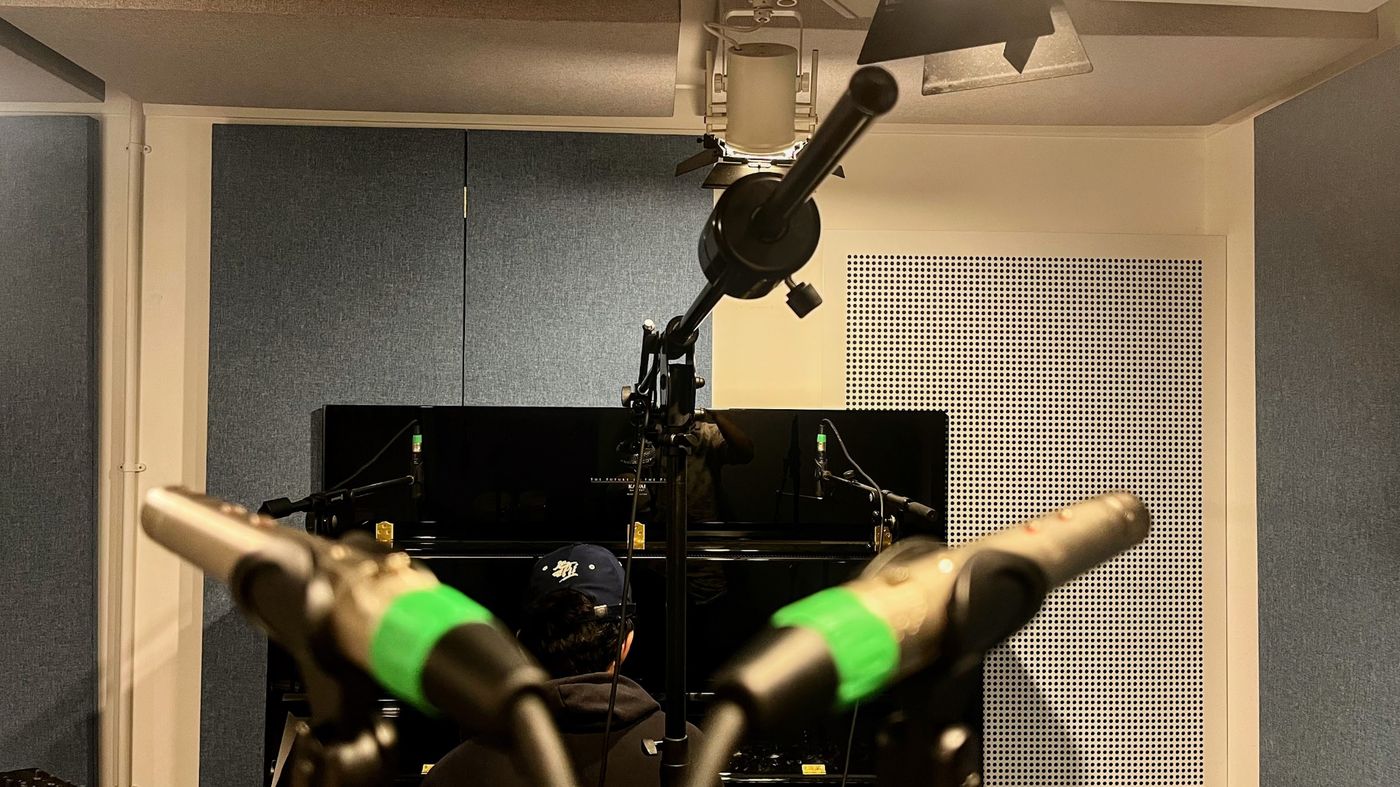
Fig 3: Alternate angle of the AKG 451 ORTF stereo array positioned at a distance from the piano
- Piano Mid: Coles 4038. Used the 4038 to complete the stereo image being recorded by the Rode M5s. The ribbon mic added a beautiful, dark midrange weight to the center of the capture.
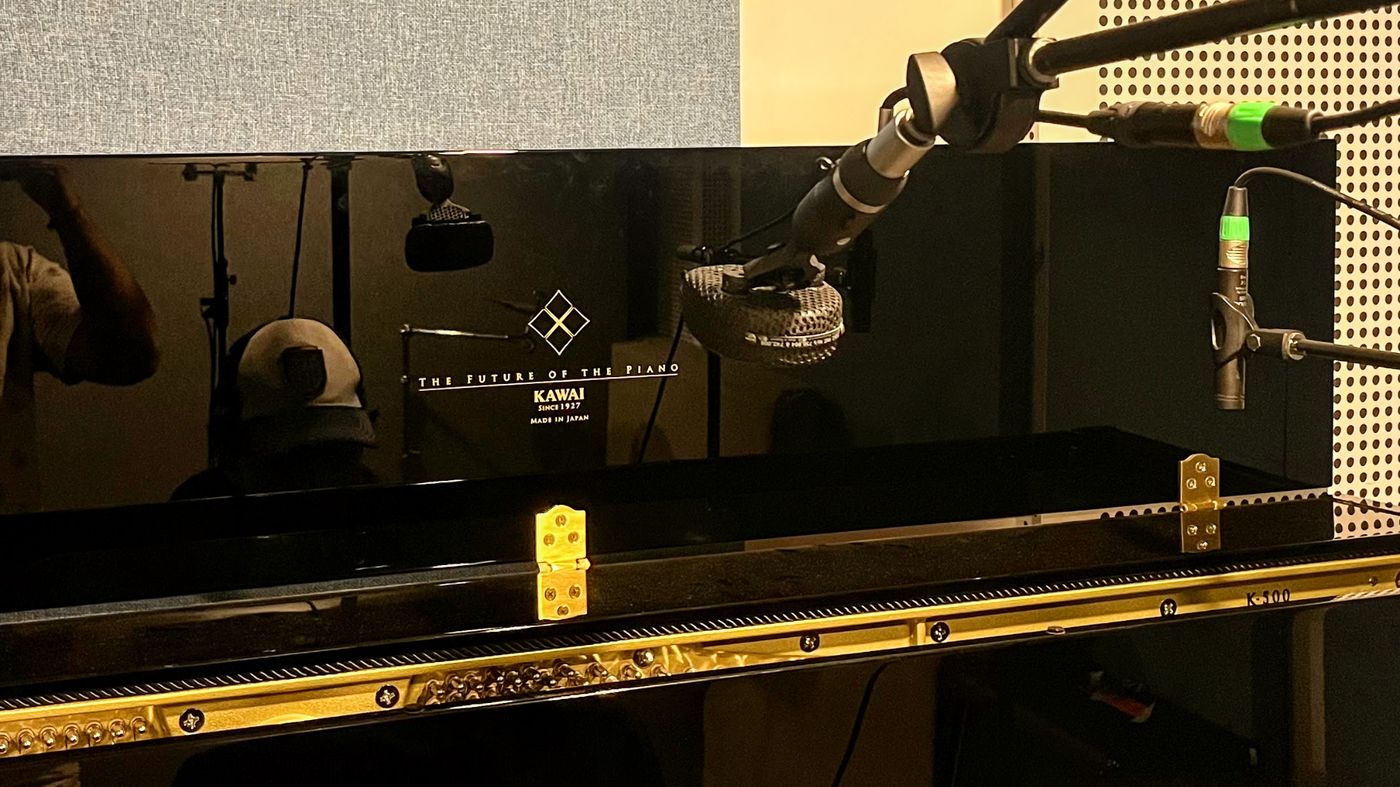
Fig 4: Coles 4038 ribbon microphone adding midrange weight to the center of the piano capture
During the recording, the timing of the piano fluctuated slightly against the click track. As an engineer, my instinct is often to correct this, but Joey was adamant about keeping it. He insisted the slight imperfections provided a necessary "human feel" for the indie genre. I yielded to the artist's vision; that un-quantized piano track ultimately set the breathing, organic pace for the rest of the song.
We also executed a real-time arrangement change on the floor. Joey decided he wanted a classic, "old rock song fade-out" for the outro. To achieve this, we looped the final chorus, recording continuous, driving piano takes that we could gradually fade in the analog mix phase.
Drums: The Magic of the Glyn Johns Method
Because Joey is an indie artist, the arrangement didn't call for a hyper-processed, heavy drum sound. We needed something crisp, tight, and highly musical. Instead of a massive multi-mic setup, I opted for the classic Glyn Johns technique (Hirst, 2015).
- Kick In: Shure SM7B
This large-diaphragm dynamic microphone is capable of handling high SPL. Placed inside the drum, it perfectly captures the direct punch and low-frequency weight of the kick without sounding overly modern or "clicky."
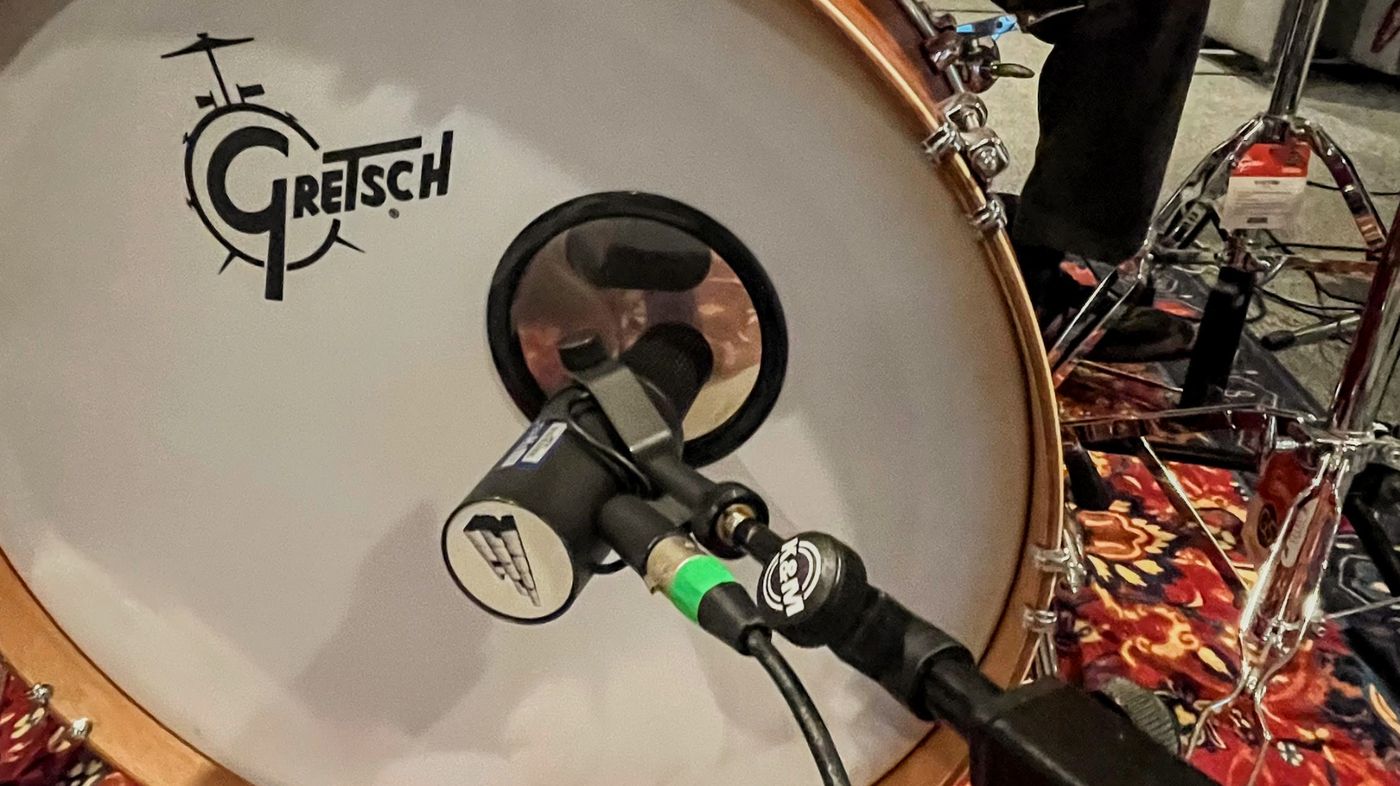
Fig 5: Shure SM7B large-diaphragm dynamic microphone placed inside the kick drum
- Snare Top: Shure SM57
The industry standard for capturing the essential midrange crack of a snare.
Studio Troubleshooting (The Wallet Trick): During line checks, the snare had an aggressive, ringing overtone. Rather than relying on digital EQ later, I placed two heavy wallets directly on the batter head. This physical dampening instantly choked the problematic resonances, yielding this incredibly tight, dry snare tone.
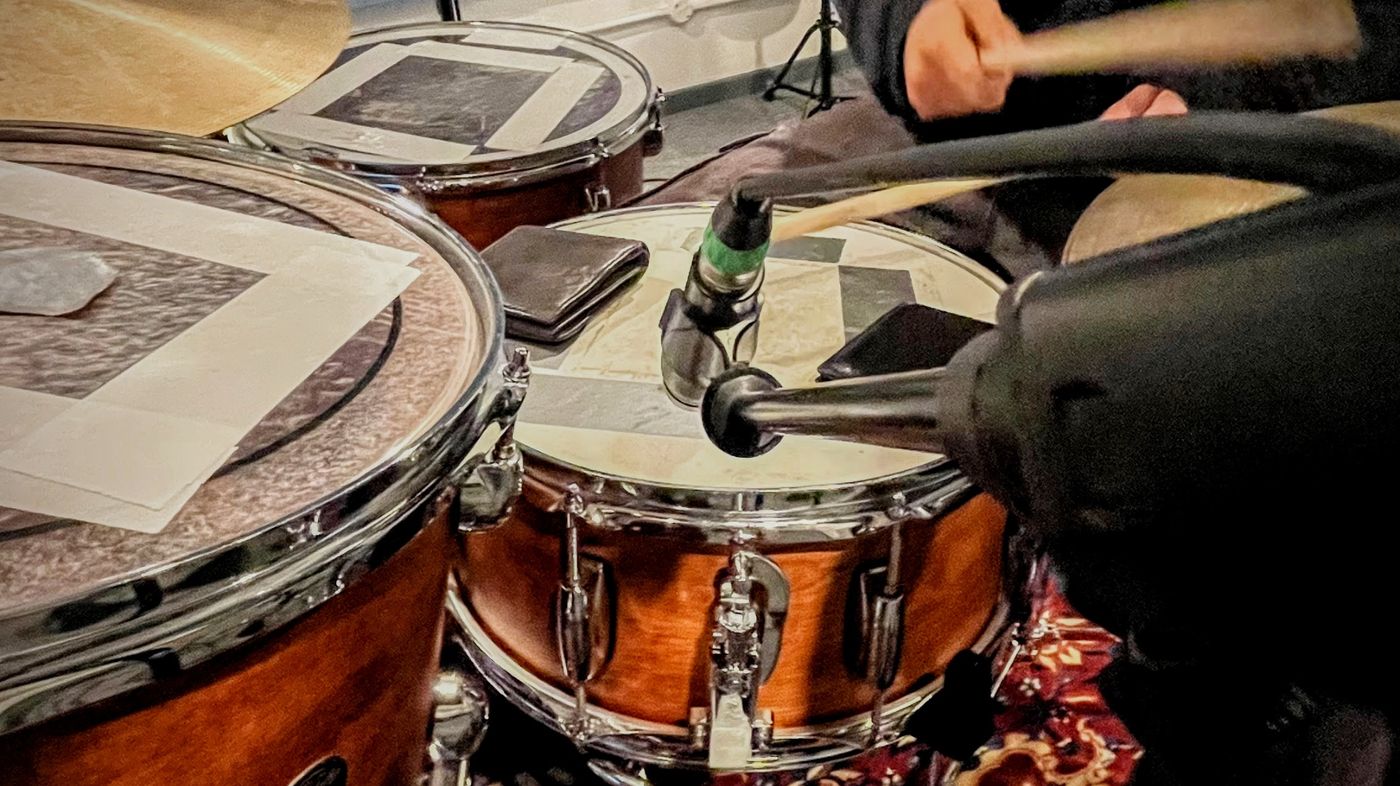
Fig 6: Shure SM57 on the snare top with heavy wallets
- Glyn Johns Overheads (L/R): Two Neumann U87s. Using premium large-diaphragm condensers for the Glyn Johns technique ensured a full-bodied capture of the entire kit, not just the cymbals. One was positioned approximately three feet directly above the snare, and the other just past the floor tom. Keeping them perfectly equidistant from the snare center guarantees absolute phase coherence, providing a massive, punchy stereo image (Rogers, 2021).
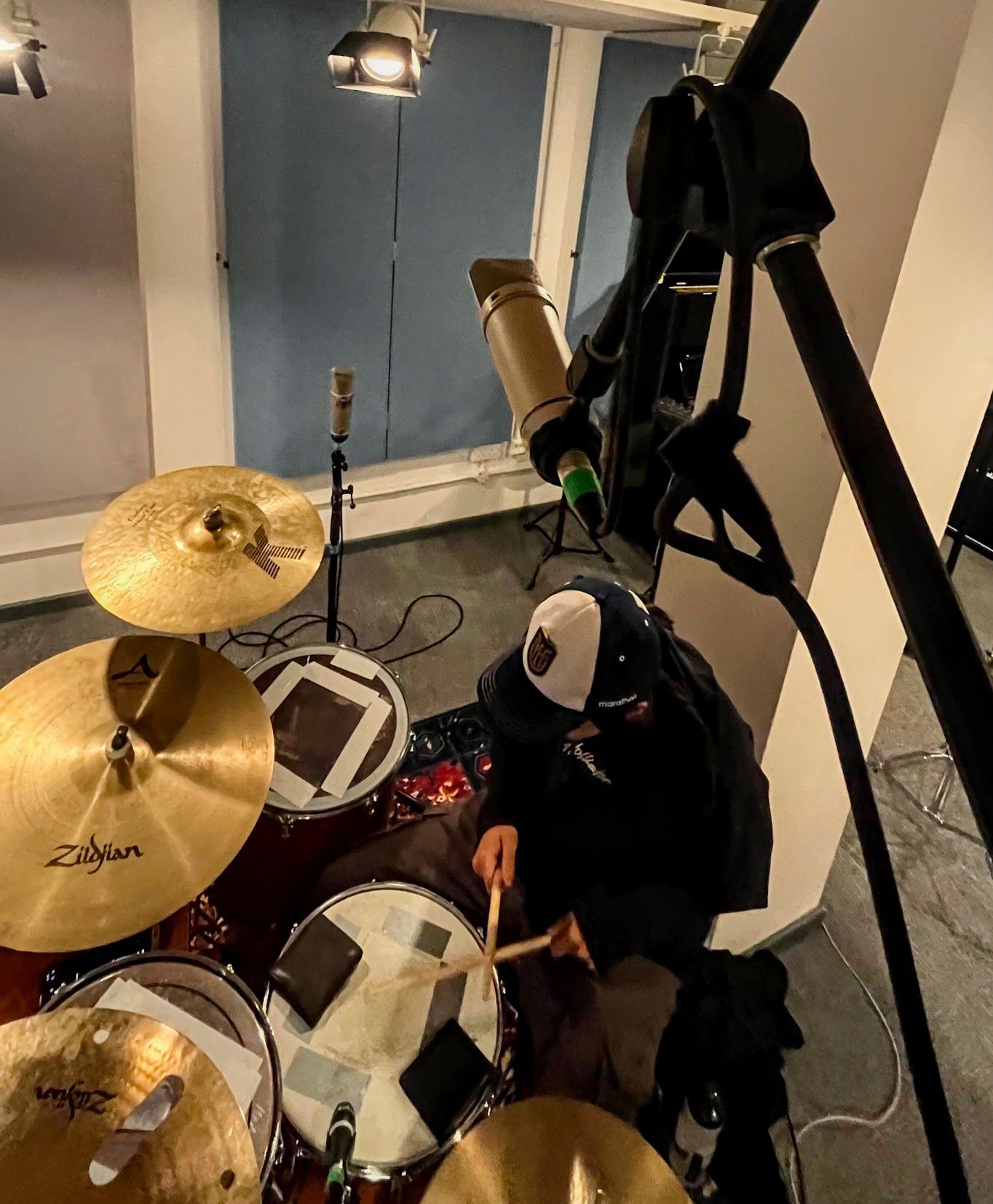
Fig 7: Neumann U87 positioned directly above the snare for the Glyn Johns overhead configuration
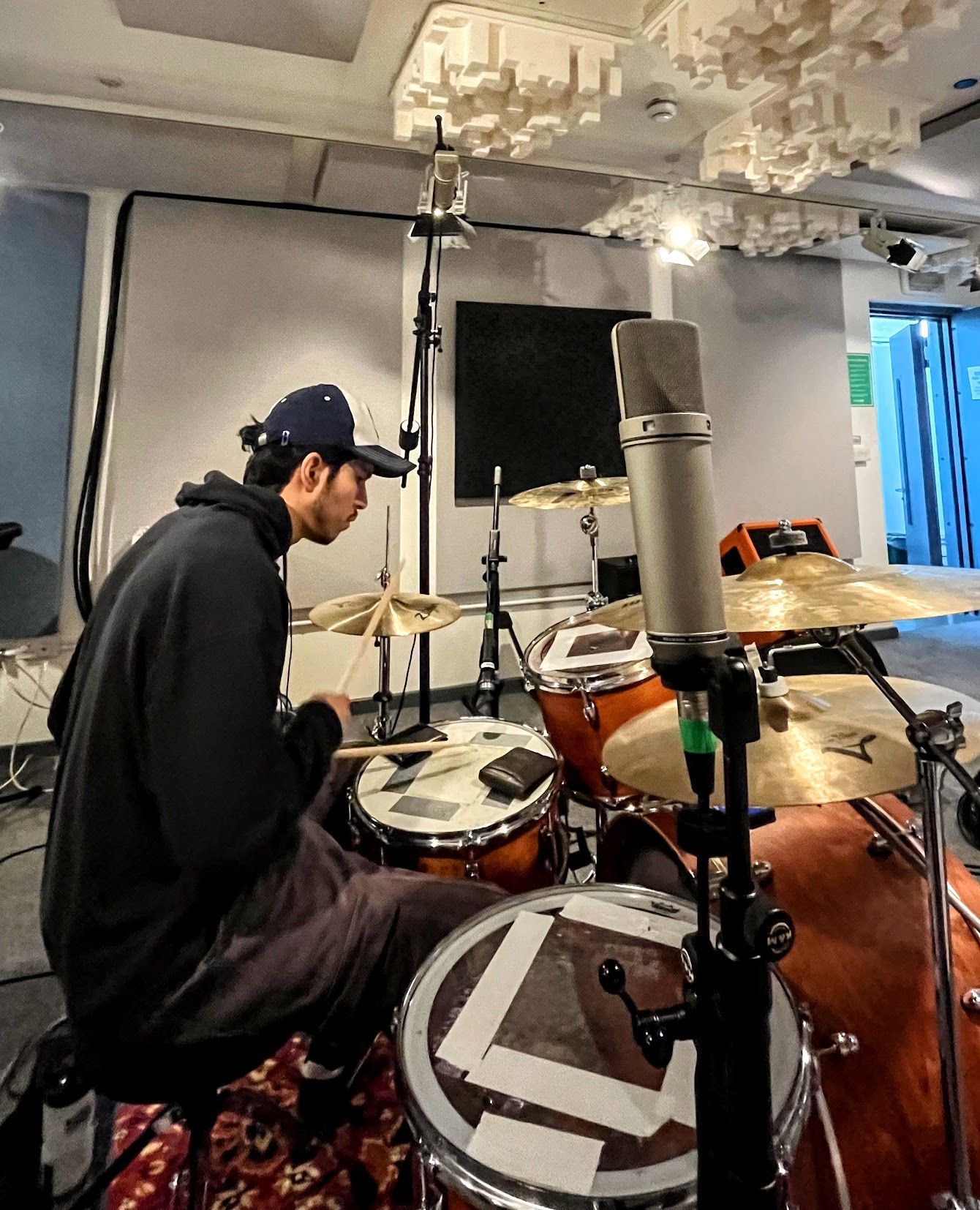
Fig 8: Neumann U87 positioned past the floor tom for the Glyn Johns overhead configuration
- Room (ORTF): AKG 451s (L/R) An ORTF pair of small-diaphragm condensers placed directly in front of the kit. This captured a realistic, phase-aligned stereo spread of the room's natural acoustics, perfect for blending depth into the dry close mics.
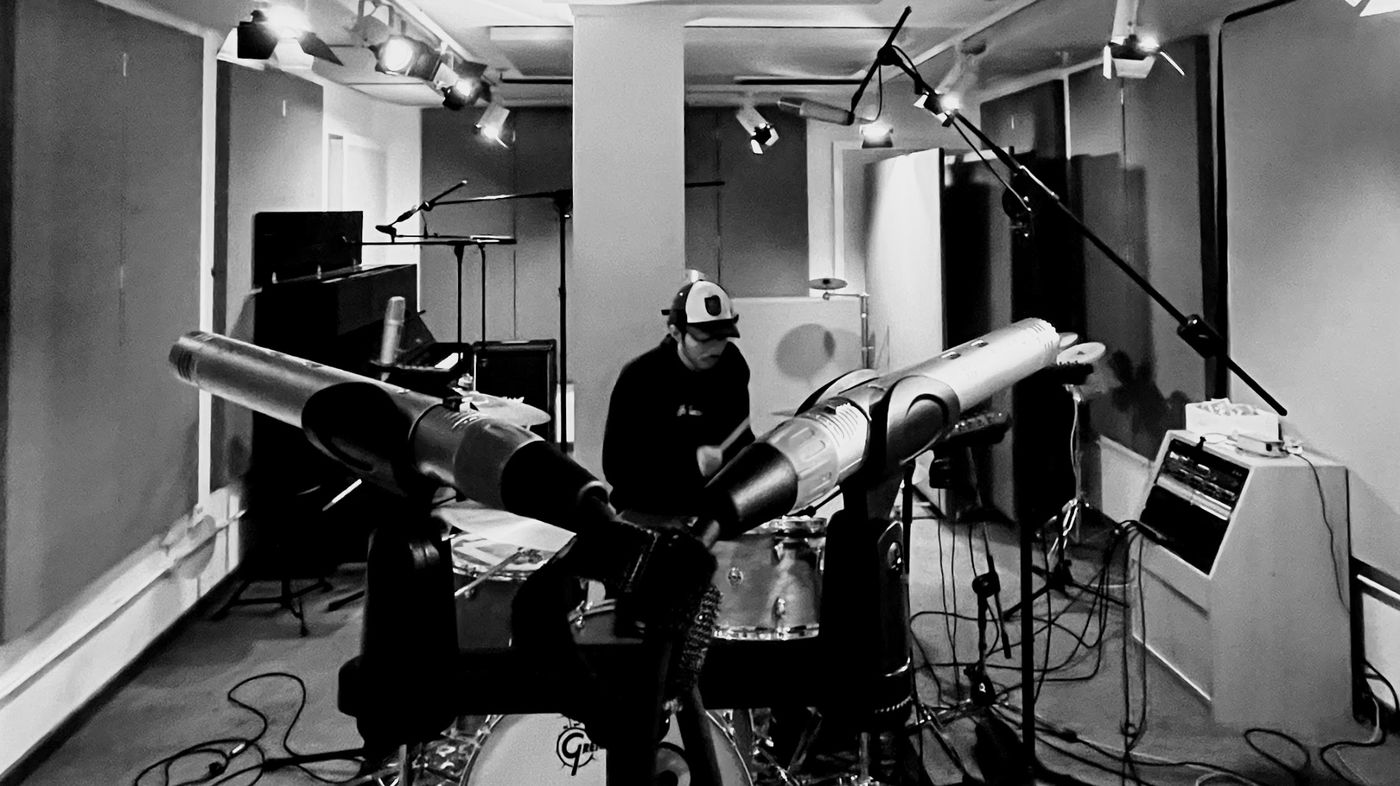
Fig 9: AKG 451 small-diaphragm condensers in an ORTF pair placed directly in front of the drum kit
The results were phenomenal. The Glyn Johns configuration captured an incredibly tight, punchy, and balanced picture of the entire kit. In fact, it sounded so complete on its own that I suspect I won't even need to blend in the AKG 451 ORTF room information during the final mix.
Acoustic Management: Vocals and Broken Guitars
With the foundation set, we moved to the intimate overdubs, starting with vocals. Because Joey naturally sings with a very gentle, controlled voice, I didn't have to worry about intense sound pressure or plosives. I placed a single Neumann U87 straight in front of him, angled slightly top-down, and we efficiently captured his main lead and a Double Track (DT).
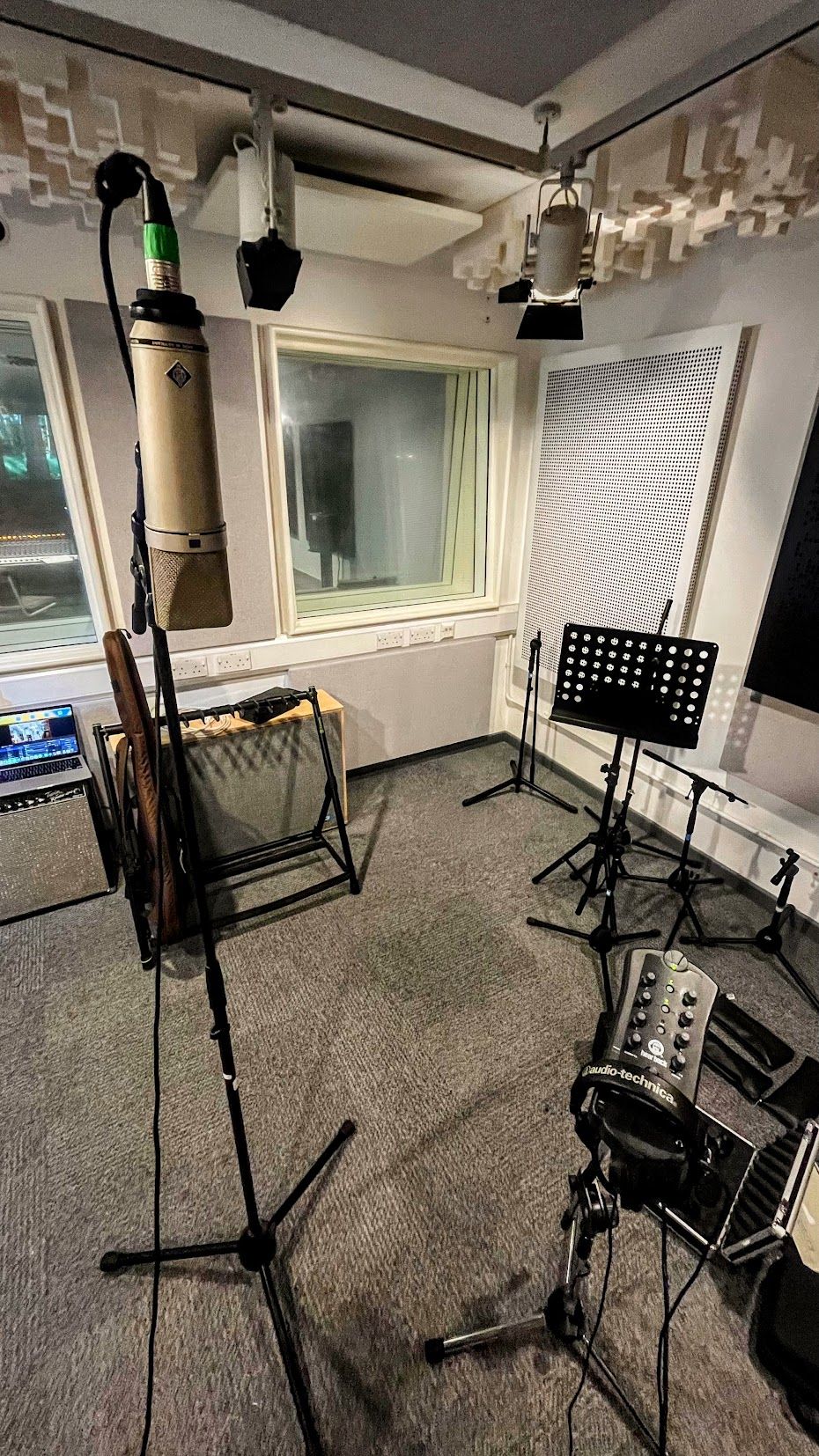
Fig 10: Neumann U87 placed straight in front of the vocalist
The acoustic guitar presented a unique mechanical challenge. Joey's guitar had suffered some physical damage during his travel to the university, making it highly prone to mechanical squeaking and rattling. To mitigate this, Joey altered his playing style slightly, and I carefully positioned a three-mic array to avoid the problem areas (Senior, 2010; MXL Microphones, 2017):
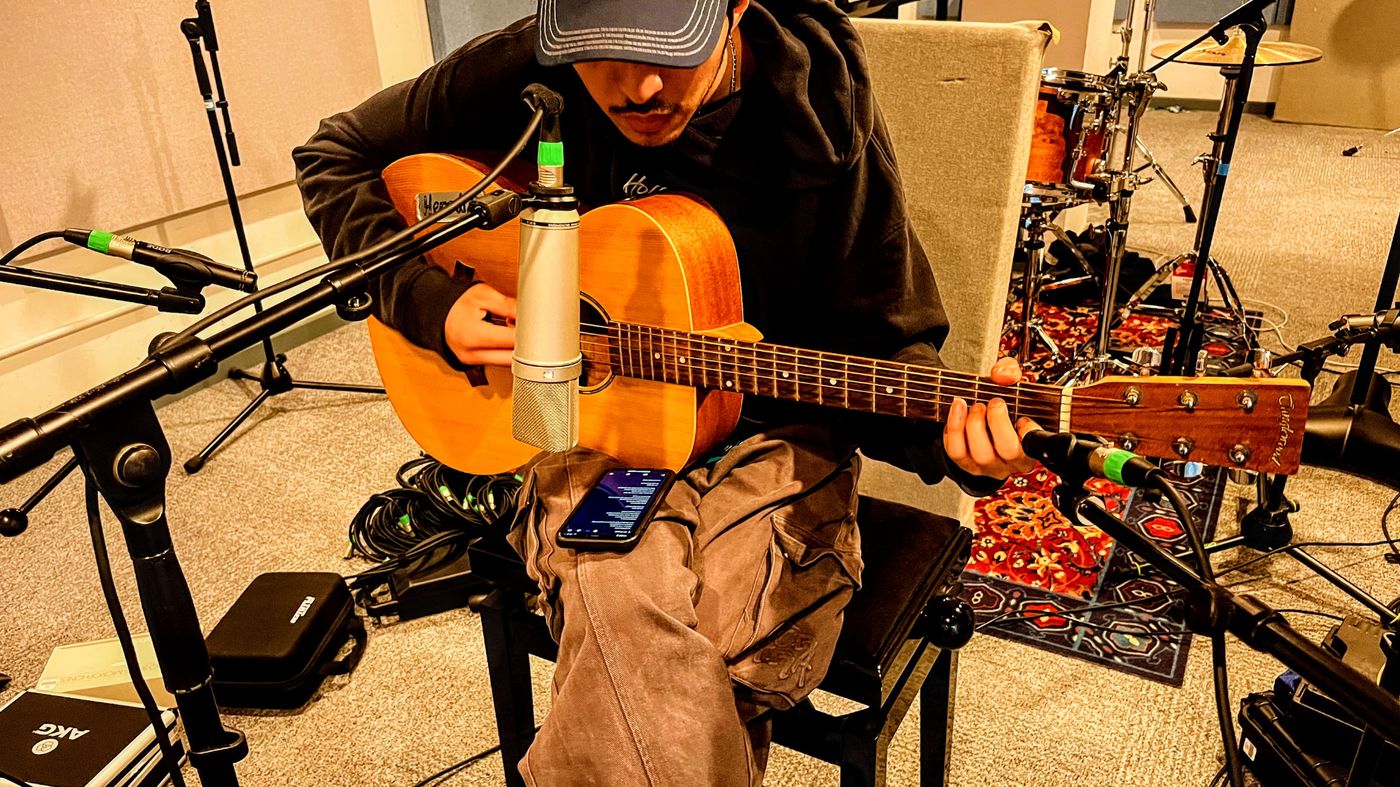
Fig 11: Three-mic array setup positioned to avoid physical squeaking on the acoustic guitar
- Neck/Chord Area: Rode M5
Utilizing a small-diaphragm condenser in this position is essential for accurately capturing the fast transient response and percussive articulation of the chords.
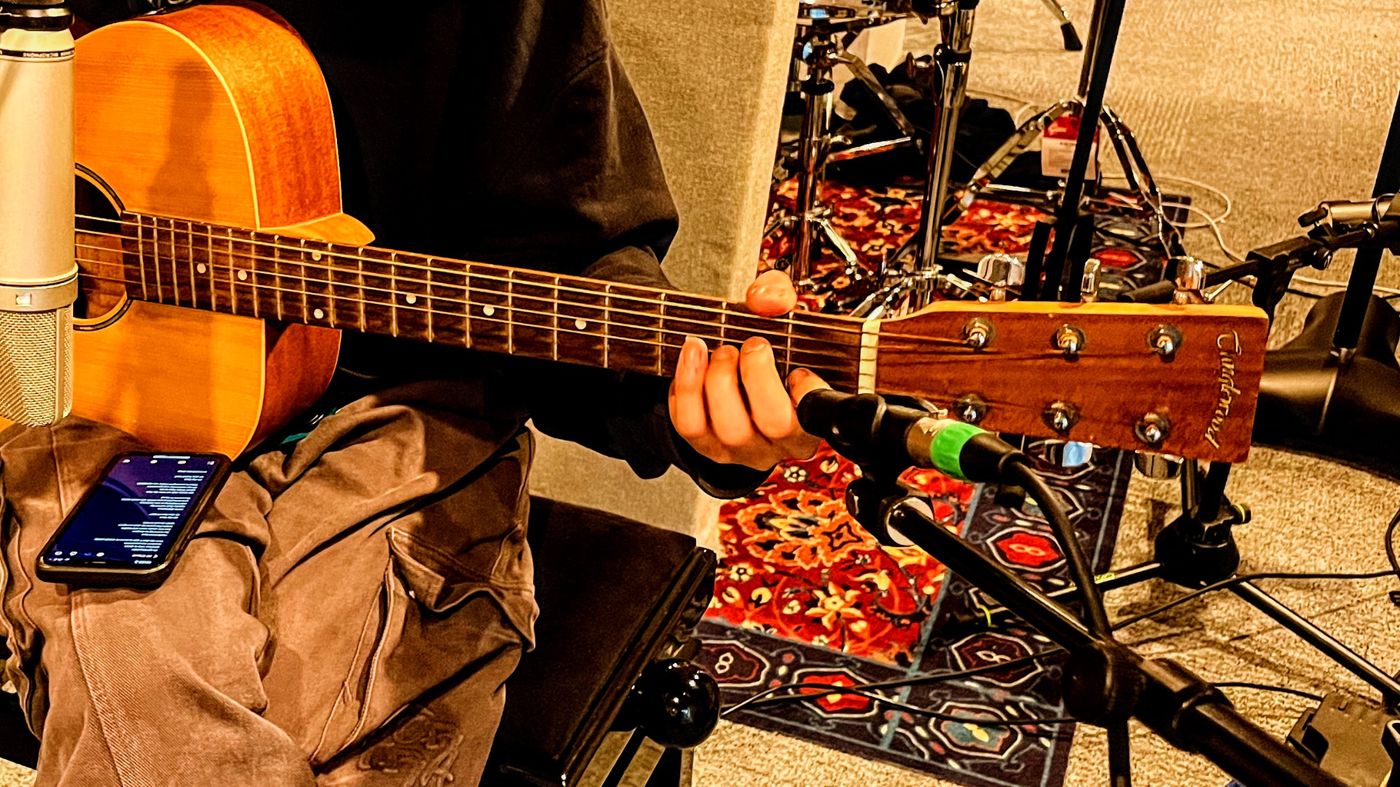
Fig 12: Rode M5 small-diaphragm condenser positioned at the neck and chord area of the acoustic guitar
- Body (Pointing at Below Sound Hole): Rode M5
Pointed deliberately below the soundhole. This placement captures the low-mid warmth and resonance of the wood while avoiding the direct "boominess" of the hole and dodging the physical squeaks caused by the travel damage.
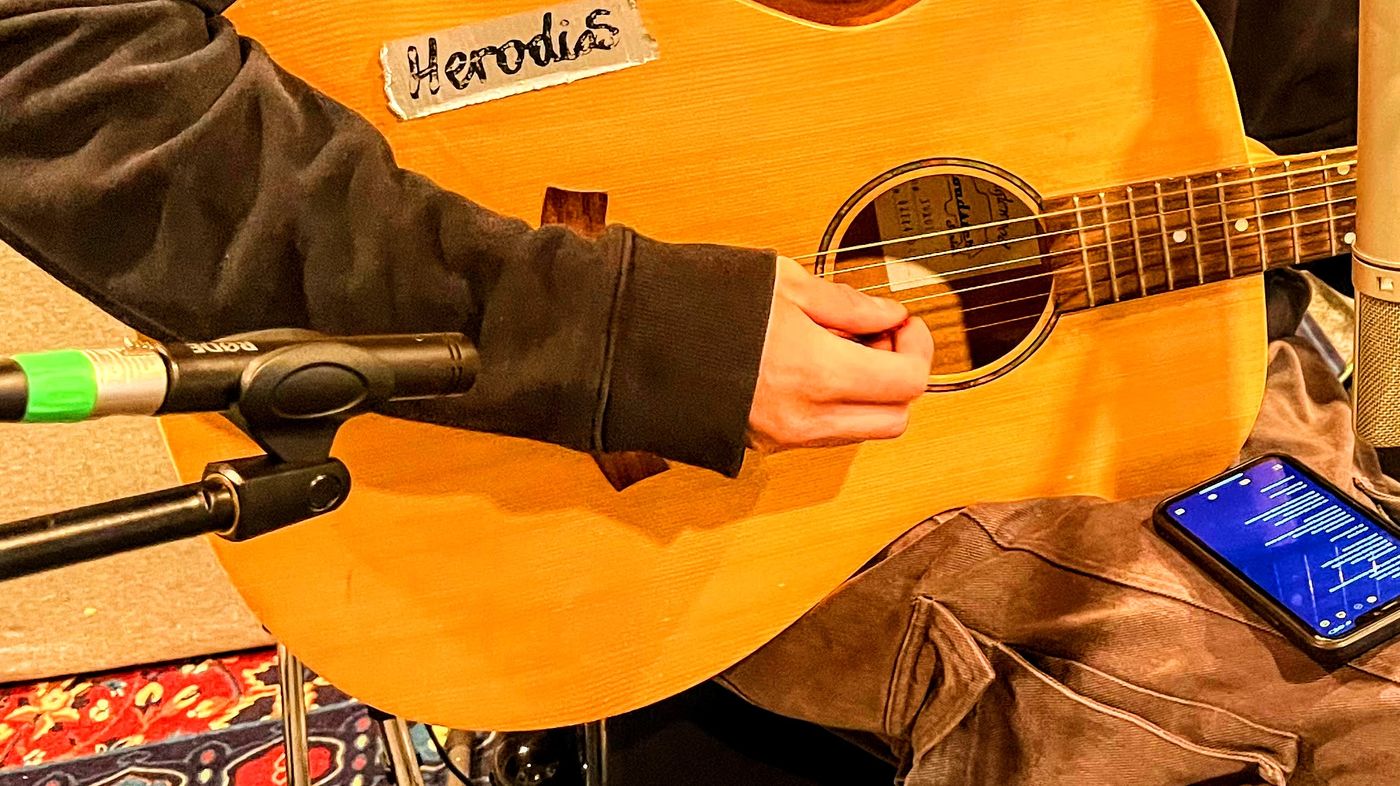
Fig 13: Rode M5 pointing below the acoustic guitar soundhole
- 12th Fret: Neumann U87
A large-diaphragm condenser placed at the 12th fret provides a balanced, full-frequency anchor for the instrument. It blends the bright neck transients with the warm body resonance, creating a pristine, mix-ready center image despite the instrument's limitations.
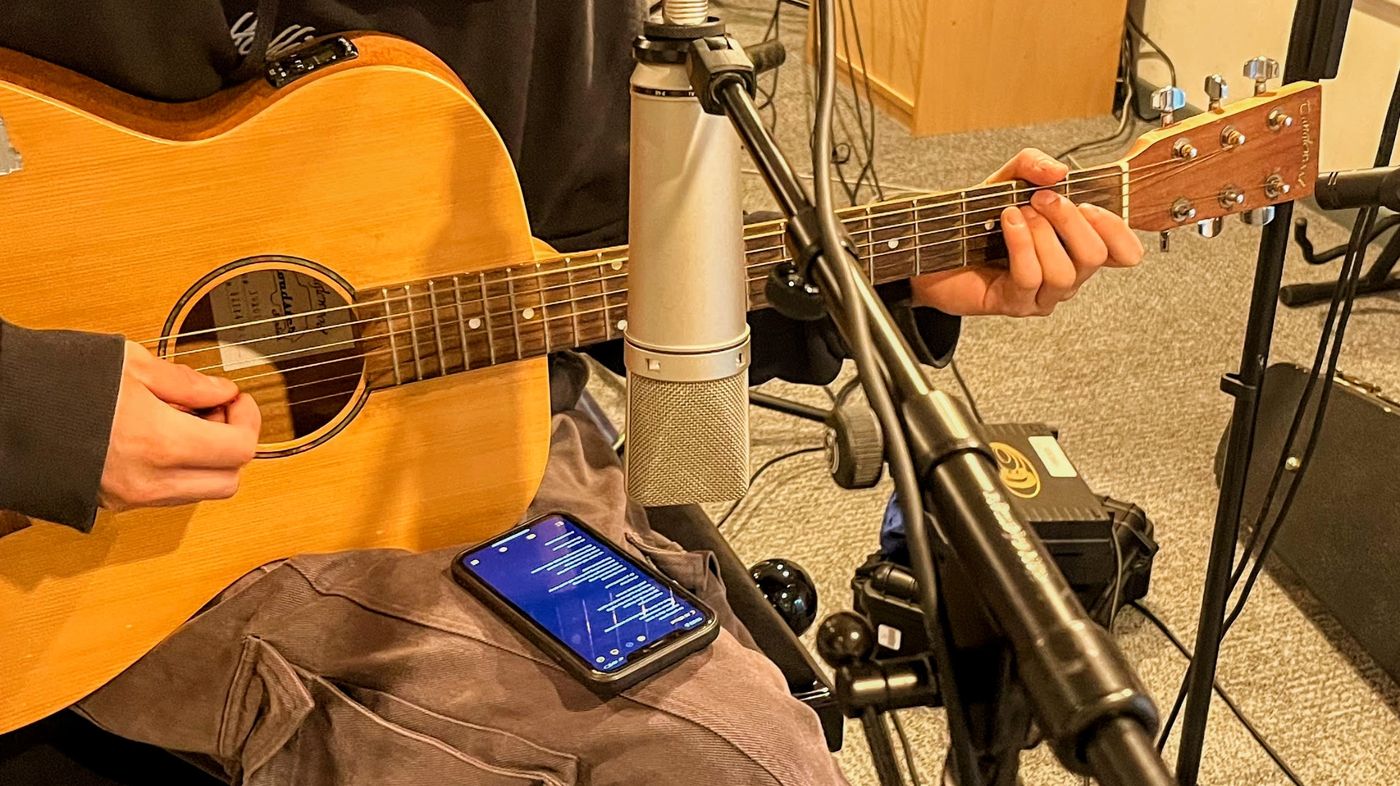
Fig 14: Neumann U87 placed at the 12th fret of the acoustic guitar
Studio Troubleshooting: Acoustic Bleed When tracking delicate acoustic instruments and quiet vocals in the live room, small resonances become a major issue. To ensure the absolute cleanest capture possible, I deployed a gobo directly in front of the drum kit to prevent vocal and guitar reflections from bouncing off the drum shells. Furthermore, I physically removed the snare drum from the live room and placed it in the control room; this guaranteed the acoustic guitar frequencies wouldn't cause the snare wires to buzz and bleed into the delicate acoustic mics.
Electric Overdubs: Bypassing the DI
The final layers of the day were electric guitar and bass, which ultimately required some rapid technical problem-solving. To capture a rich, three-dimensional electric guitar tone, I deployed a complementary dual-microphone setup on the amplifier utilizing a Neumann U87 and a Coles 4038. The large-diaphragm U87 was positioned to capture the detailed midrange articulation and full-frequency bite of the speaker cone (Senior, 2007). Paired alongside it, the Coles 4038 ribbon microphone acted as a crucial sonic counterweight, capturing a massive, warm low-end and naturally smoothing out any harsh high-frequency transients. By blending the phase-coherent signals of both microphones, I had a highly flexible, mix-ready tone.
However, as we began tracking, our DI (Direct Injection) box started misbehaving, introducing an unwanted electrical buzz into the signal chain. Rather than halting the session to troubleshoot faulty hardware and risk losing the artist's creative momentum, we adapted quickly and bypassed the DI entirely. Instead of relying on a clean DI safety track for re-amping later, we committed fully to the tone in the room, focusing purely on capturing the most robust, dynamic signal directly from the amplifier via our U87 and 4038 configuration.
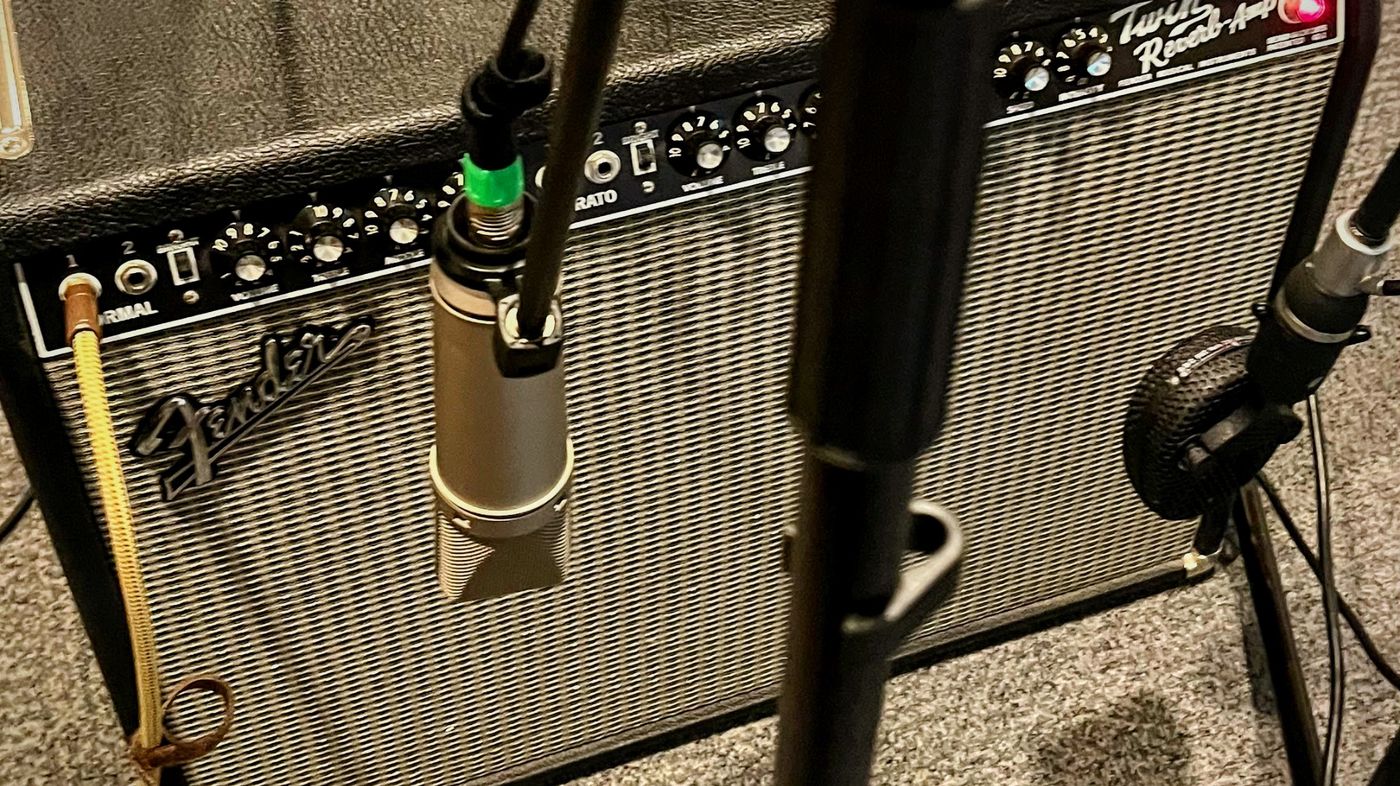
Fig 15: Complementary dual-microphone setup featuring a Neumann U87 and Coles 4038 on the electric guitar amplifier
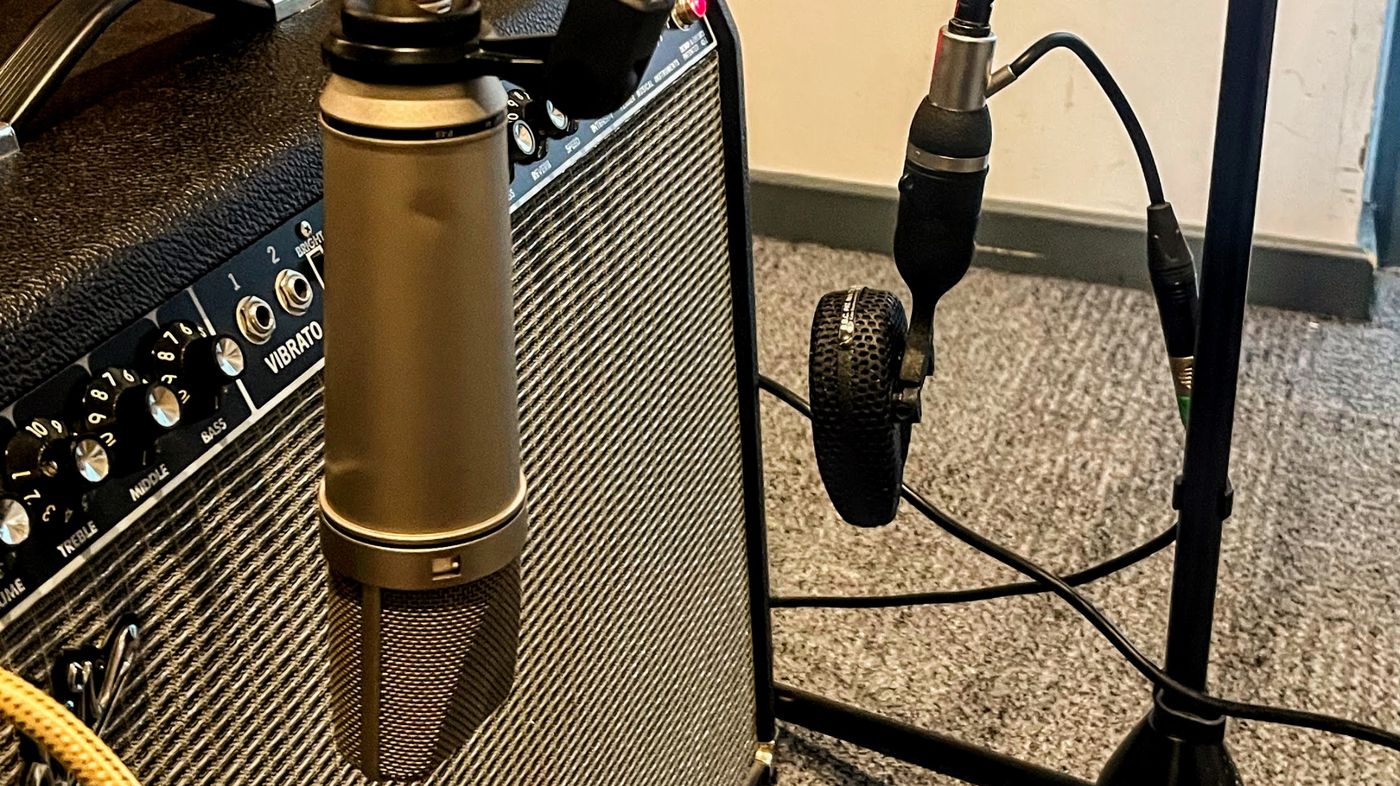
Fig 16: Alternate angle of the Neumann U87 and Coles 4038 capturing the electric guitar amplifier tone in the room
For the bass guitar, I needed a clean, direct signal but still lacked a reliable DI box on the studio floor. To bypass the live room hardware entirely, I brought the bass into the control room. Using a Jack-to-Aux converter, I patched the instrument directly into the microphone input of the patch bay, allowing us to capture a pristine, direct low-end signal straight into the recording console.
Day 2: The Dorm Room Pivot and Heatwave Guitars
26 June 2026
Being a recording engineer, you have to be prepared to adapt when an artist isn't completely satisfied with a take. When reviewing the Day 1 electric guitar recordings, Joey felt the performance wasn't quite hitting the emotional mark he envisioned. Rather than settling, we decided to scrap them and try again.
However, studio time is a finite resource. On Day 2, after Joey had finished tracking instruments for another artist (Slany) in the studios, we had to pivot our recording environment entirely. We packed up and headed back to my university dorm room to track the electric guitars through my personal audio interface.
Tracking in a dorm room presents an entirely different set of challenges than a treated studio—chief among them being climate control. We were battling an intense summer heatwave. Despite the sweltering heat making it incredibly difficult to focus, Joey’s dedication shone through. Stripped away from the pressure of the studio clock, he finally delivered the exact performance he was looking for.
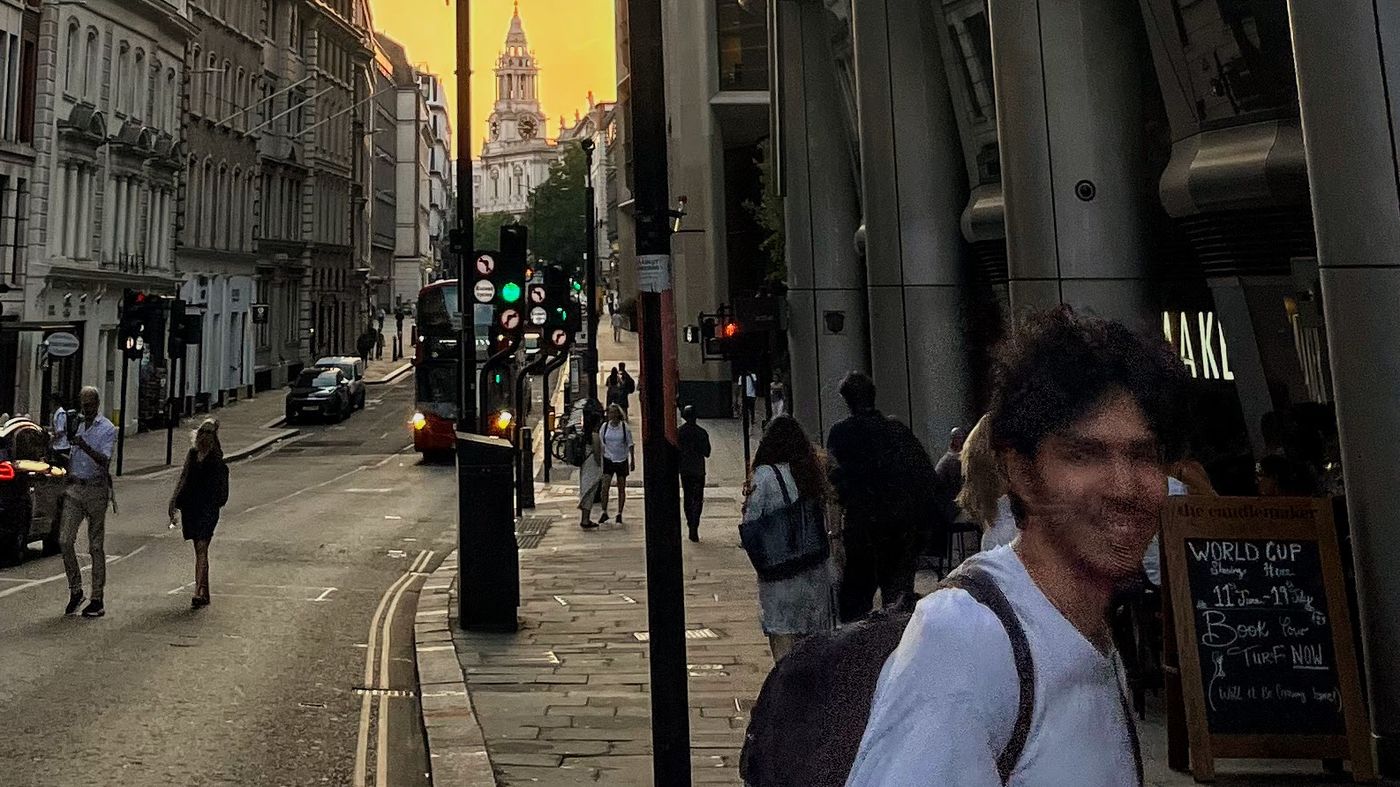
Fig 17: On the streets of London with Joey Bonito
Day 3: Valve Warmth and The Final Vocal Polish
3 July 2026
The final piece of the puzzle was Day 3, which was dedicated entirely to polishing the vocal arrangement. Joey wanted to re-record his lead vocals for the chorus to ensure they had maximum impact, alongside laying down new harmonies and backing vocal layers.
Because we only needed to capture a few specific sections, this was an incredibly efficient, one-hour session. For this final vocal chain, I made a deliberate microphone swap, moving away from the Neumann U87 and placing Joey in front of a Warm Audio WA-47.
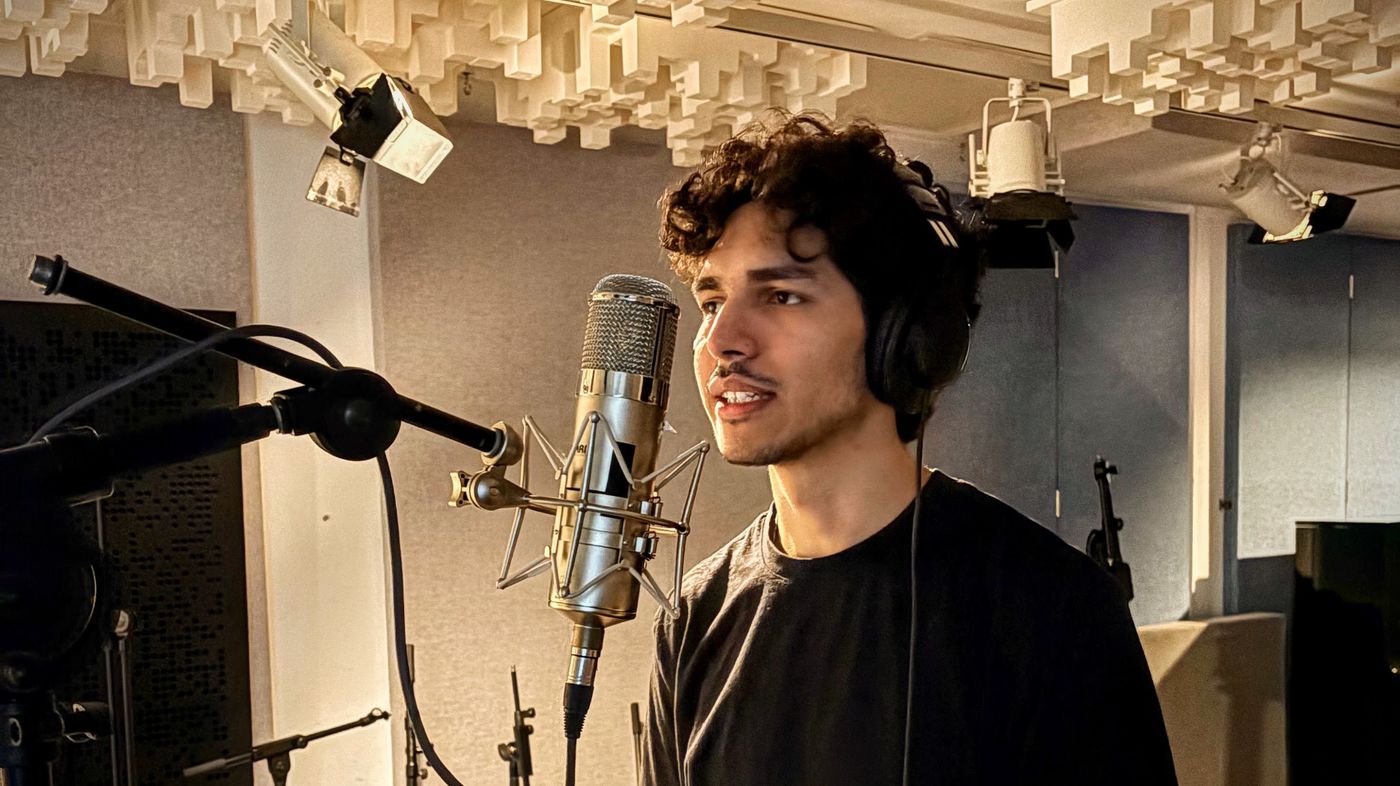
Fig 18: Warm Audio WA-47 large-diaphragm tube condenser microphone for vocal tracking
The WA-47 is a large-diaphragm tube (valve) condenser microphone, designed to emulate the classic vintage '47 circuit. Introducing a tube microphone for the chorus and harmony layers completely transformed the vocal texture. The valve naturally saturates the signal, imparting a rich, harmonic warmth and a smooth, classic coloration that beautifully complemented the acoustic indie instrumentation (Hodge, 2018; LEWITT Content Team, 2022).
With those final, warm vocal layers captured, Joey's tracking phase was officially wrapped. This session was a masterclass in indie production: knowing when to rely on classic studio techniques like Glyn Johns, when to embrace human imperfection, and when to completely change your environment to capture the perfect take.
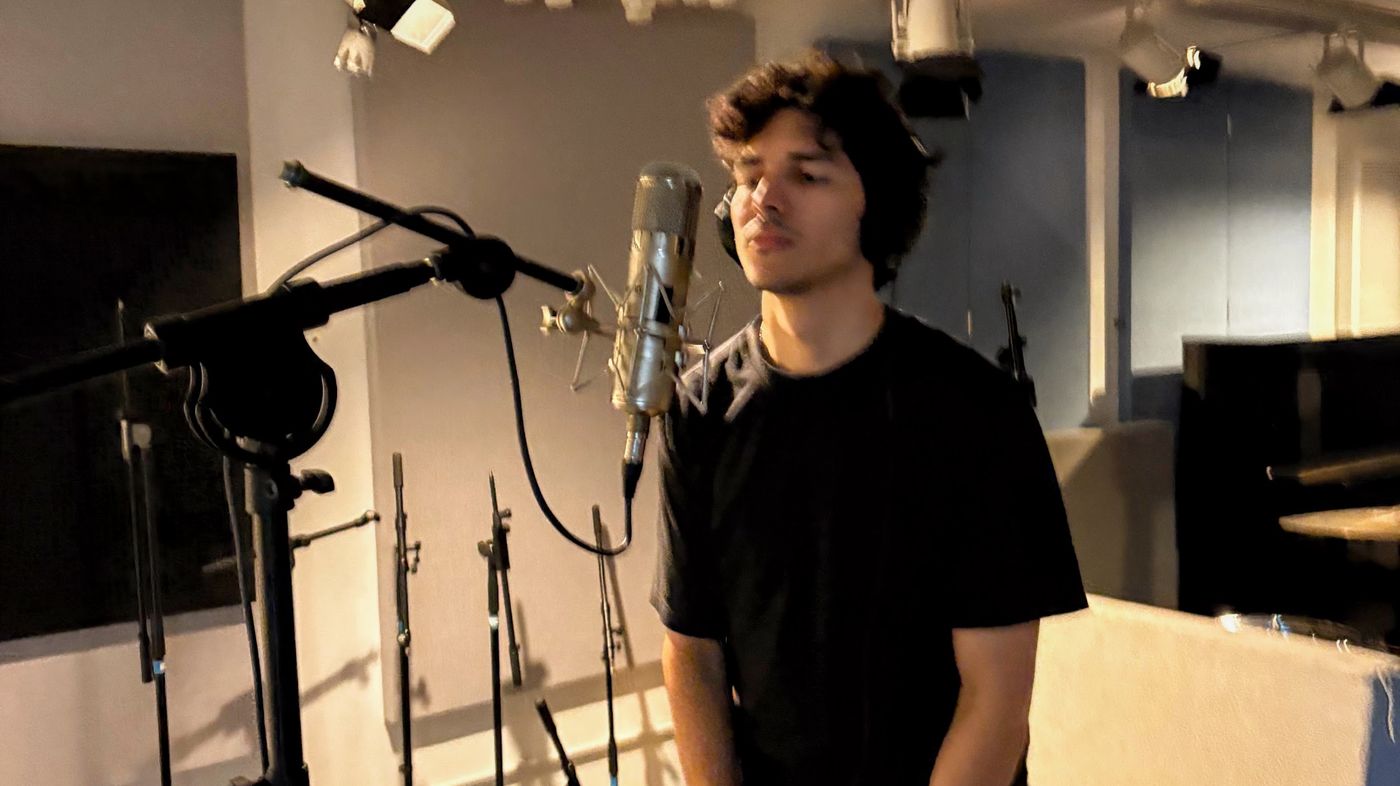
Fig 19: Joey Bonito
References
Gasson, J. (n.d.) Drum miking techniques. Third Circle Recordings. Available at: https://thirdcirclerecordings.co.uk/recording-blog/drum-miking-techniques/ (Accessed: 25 April 2026).
Hirst, J. (2015) Drum recording techniques. Miloco Studios. Available at: https://milocostudios.com/toptip/drum-recording-techniques-by-joe-hirst/ (Accessed: 25 April 2026).
Hodge, C. (2018) 'Should I use a tube or solid state microphone?', Andertons Music Co., 30 July. Available at: https://blog.andertons.co.uk/learn/tube-microphone (Accessed: 3 August 2026).
LEWITT Content Team (2022) 'What is a tube microphone?', LEWITT, 8 April. Available at: https://www.lewitt-audio.com/blog/what-a-tube-microphone (Accessed: 3 August 2026).
Mathias, K. (2023) Stereo recording: 7 mic techniques you need to know!. Audio University. Available at: https://audiouniversityonline.com/stereo-recording-techniques/ (Accessed: 25 April 2026).
L'Hommedieu, R. (2019) 'Review – Warm Audio WA-47 microphone', Making A Scene, 13 August. Available at: https://www.makingascene.org/review-warm-audio-wa-47-microphone/ (Accessed: 16 August 2026).
MXL Microphones (2017) Mic stuff: 7 critical tips on how to mic an acoustic guitar. 4 August. Available at: https://mxlmics.com/7-critical-tips-on-how-to-mic-an-acoustic-guitar/ (Accessed: 25 April 2026).
Pack, B. (n.d.) Stereo microphone techniques and when to use them. Audio Issues. Available at: https://www.audio-issues.com/keeping-track/stereo-microphone-techniques-and-when-to-use-them/ (Accessed: 25 April 2026).
Practical Music Production (n.d.) Recording Piano | Discover How With This Simple Guide. Available at: https://www.practical-music-production.com/recording-piano/ (Accessed: 16 August 2026).
Robjohns, H. (2003) 'Recording drums: a practical guide', Sound on Sound, February. Available at: https://www.soundonsound.com/techniques/recording-drums (Accessed: 25 April 2026).
RØDE Microphones (2018) Stereo microphone techniques. Available at: https://rode.com/en-gb/about/news-info/stereo-microphone-techniques (Accessed: 25 April 2026).
Rogers, N. (2021) Recording drum kits with only two mics. Sound on Sound, February. Available at: https://www.soundonsound.com/techniques/recording-drum-kits-only-two-mics (Accessed: 25 April 2026).
Sengpiel, E. (1997) Well-known stereo microphone systems and their angles. Available at: https://sengpielaudio.com/WellknownStereoMicrophoneSystemsAndTheirAngles.pdf (Accessed: 25 April 2026).
Senior, M. (2007) 'Guitar amp recording', Sound on Sound, August. Available at: https://www.soundonsound.com/techniques/guitar-amp-recording (Accessed: 16 August 2026).
Senior, M. (2010) 'How to record a great acoustic guitar sound', Sound on Sound, April. Available at: https://www.soundonsound.com/techniques/how-record-great-acoustic-guitar-sound (Accessed: 3 August 2026).
Urban Sound Studio (2024) Stereo Piano Miking Techniques 🎹. YouTube, 10 June. Available at: https://youtu.be/-jXTV9qeTTM?si=2ms7kmhKmlaUCDaL (Accessed: 16 August 2026).
Zack, C. (2025) How to record an upright piano — 5 mic placement techniques. YouTube, 13 July. Available at: https://youtu.be/oP8HtOagGf4?si=nZaCayqEmYZhUmXv (Accessed: 3 August 2026).