Building Ema Slany’s Vision from Scratch
By Terence Law
For this blog entry, I worked with Ema Slany, a talented singer-songwriter and guitarist introduced to me by Joey Bonito. Unlike some artists who arrive with fully fleshed-out arrangements, Emma wanted to build her song completely from the ground up in the studio. This is a fantastic way to work; it removes the pressure of pre-production and relies heavily on the environment to spark those spontaneous "eureka" moments.
Here is a technical breakdown of how we constructed Ema’s dark, acoustic-driven track over two days, navigating everything from modified drum miking to unconventional guitar slides.
Day 1: Studio 2 – The Acoustic Foundation and Brush Drums
Ema sent me a simple voice memo demo the day before our session. The song had a distinctly dark, moody character, which heavily influenced my microphone selection for the foundational acoustic guitar tracks.
The Acoustic Guitar Array
To capture the track's inherently dark warmth while maintaining a wide stereo image, I utilized a multi-mic array blending ribbon and condenser microphones. Deploying a combination of different microphone topologies provides the necessary flexibility to effectively balance the warm, woody resonance of the acoustic guitar's body with the articulate, transient detail of the strings (Senior, 2010)..
- Stereo Image (Ribbons): Two Coles 4038s panned hard left and right. I placed the left mic near the neck where she voiced the chords.Crucially, to avoid the intense, muddy low-frequency build-up that occurs directly in front of the soundhole, I positioned the right ribbon microphone slightly below it, capturing a balanced and warm body resonance (Senior, 2010).
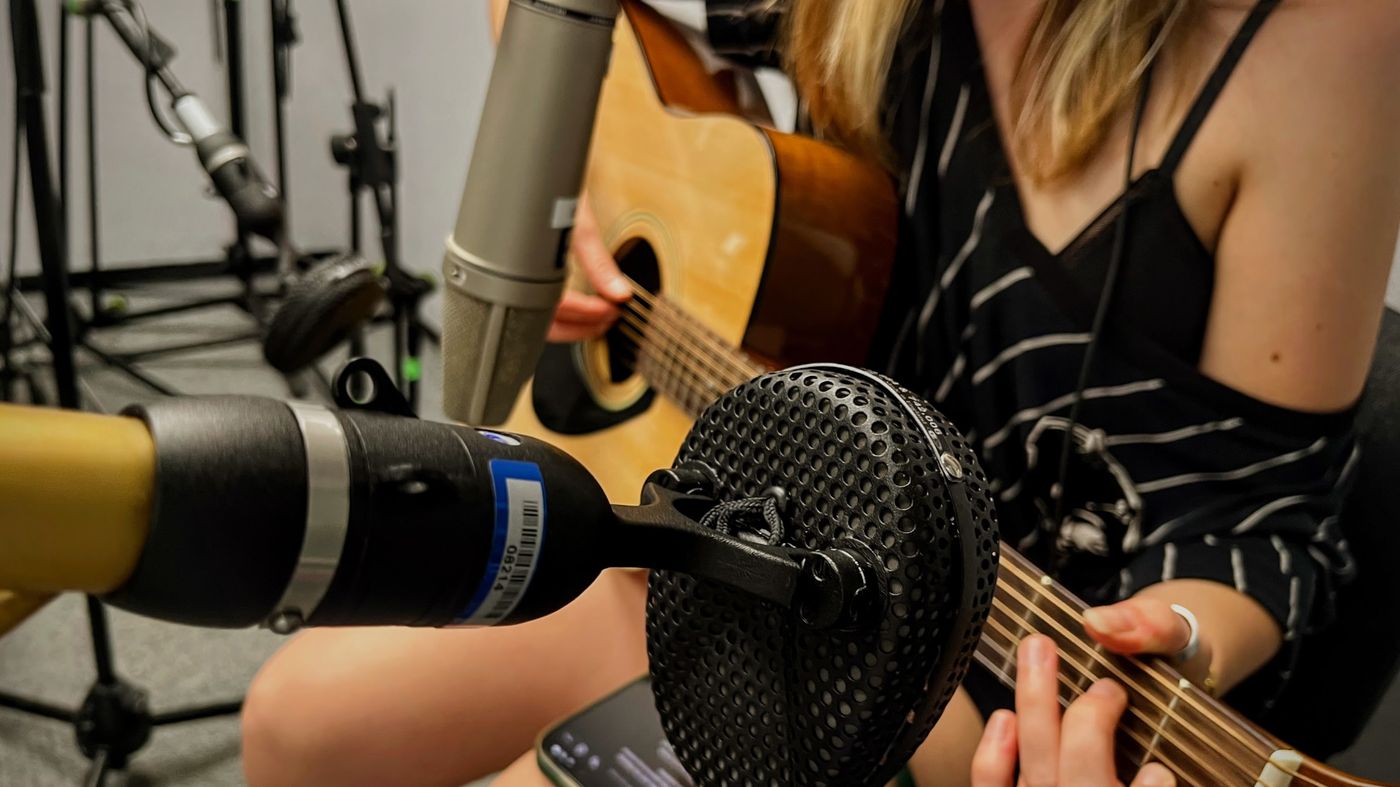
Fig 1: Coles 4038s placed to capture the width of the guitar
- Clarity (Condenser): Neumann U87. Because ribbon microphones naturally roll off high frequencies, I placed a large-diaphragm condenser near the 12th fret to inject pristine top-end clarity back into the center of the mix.
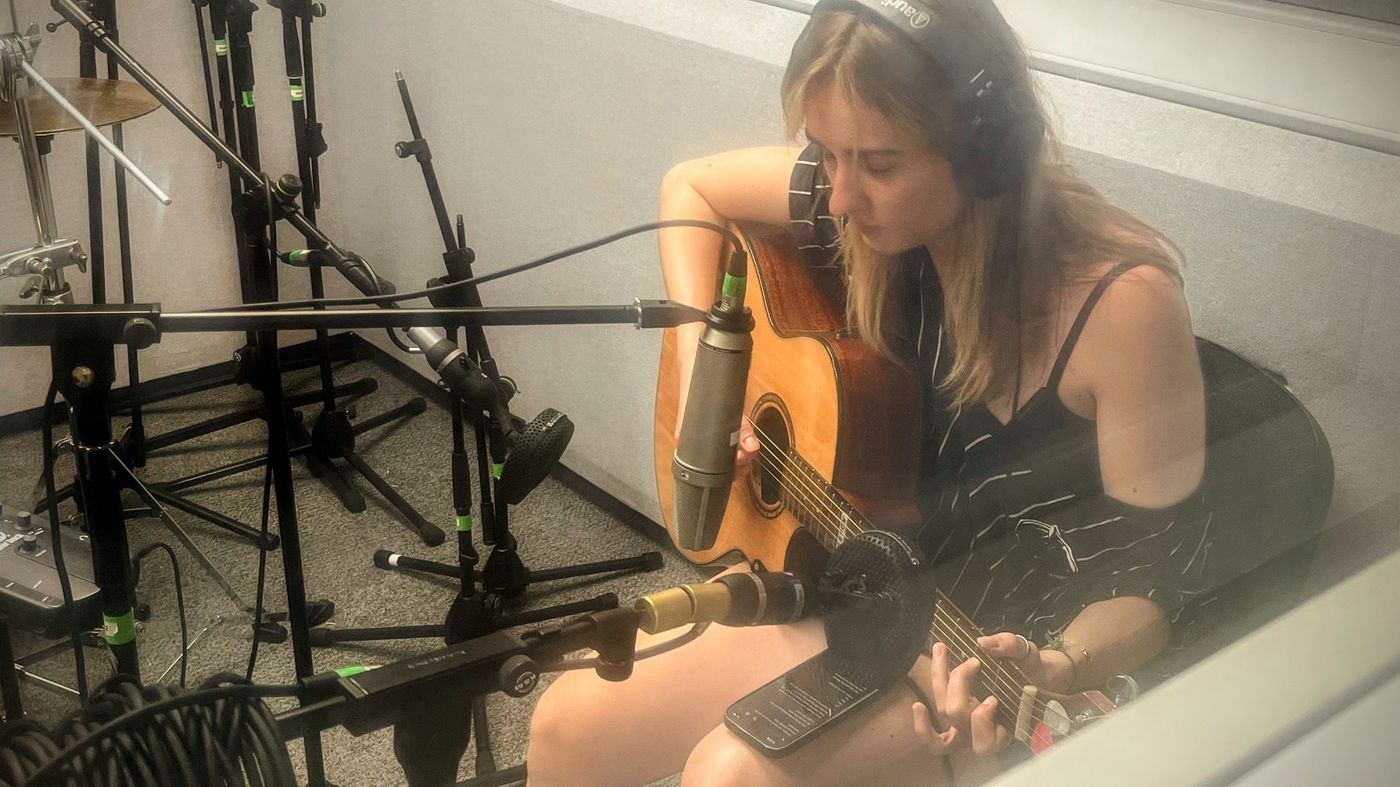
Fig 2: Neumann U87 placed near the 12th fret of the acoustic guitar
To build a massive acoustic wall, I requested a double track (DT). However, rather than using Emma's primary guitar, we switched to a Yamaha F310. Blending the unique resonant properties of two different acoustic guitars created a lush, phase-rich chorus effect, mimicking the sound of a 12-string guitar (Coodley, 2013; Lewis, no date).
Scratch Vocals
After we captured the acoustic guitars we went on to record Ema’s scratch vocals using the Neumann U87. As soon as we were done with that we brought Joey in to track drums.
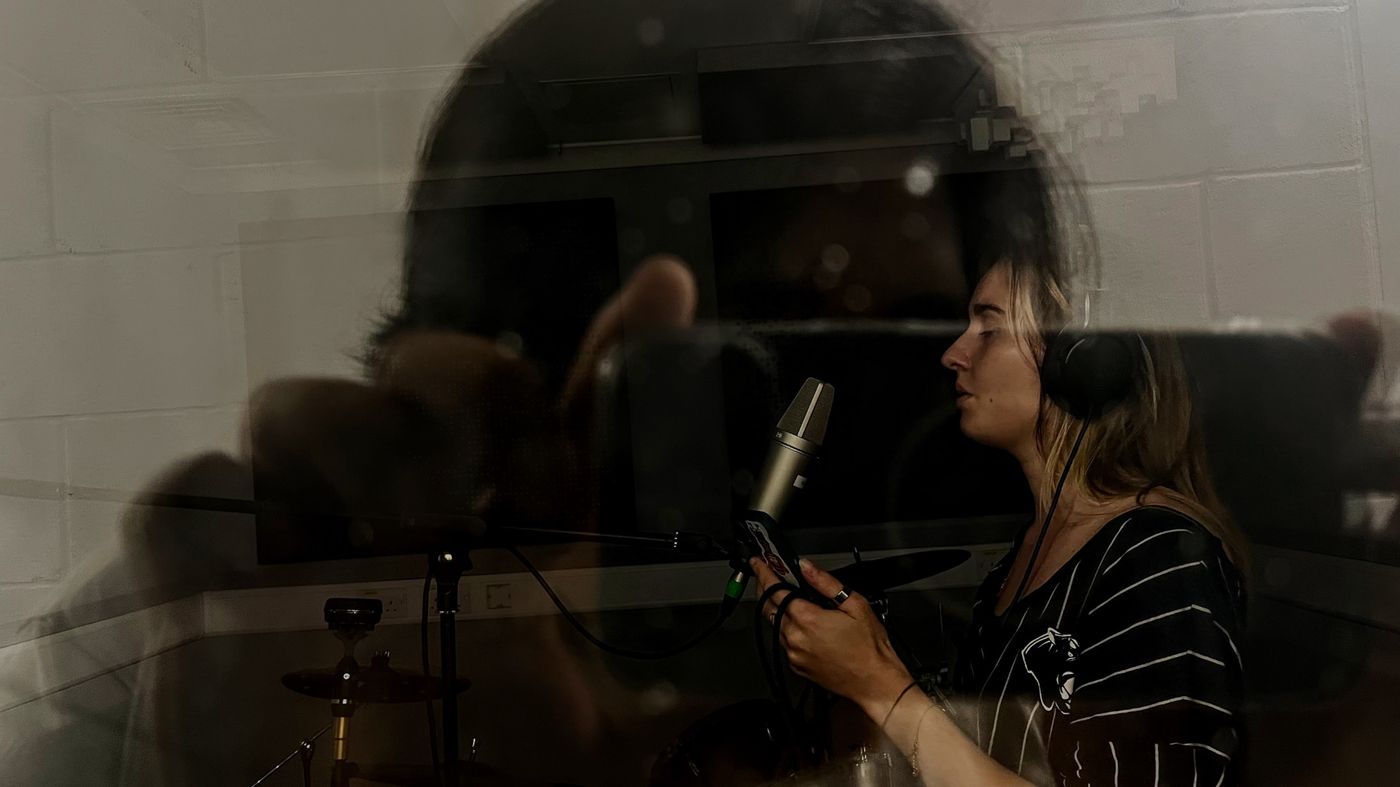
Fig 3: Recording scratch vocals
Drums: The Modified Glyn Johns Approach
Joey's drum part relied heavily on playing the snare with brushes. Brushes generate very low sound pressure levels (SPL). To capture this delicate articulation, I had to modify the traditional Glyn Johns technique (Gasson, n.d.; Hirst, 2015; Robjohns, 2003).
- Kick In: Shure SM7B
A large-diaphragm dynamic mic placed off axis inside the kick to capture the thud of the beater while offering excellent off-axis rejection from the rest of the kit.
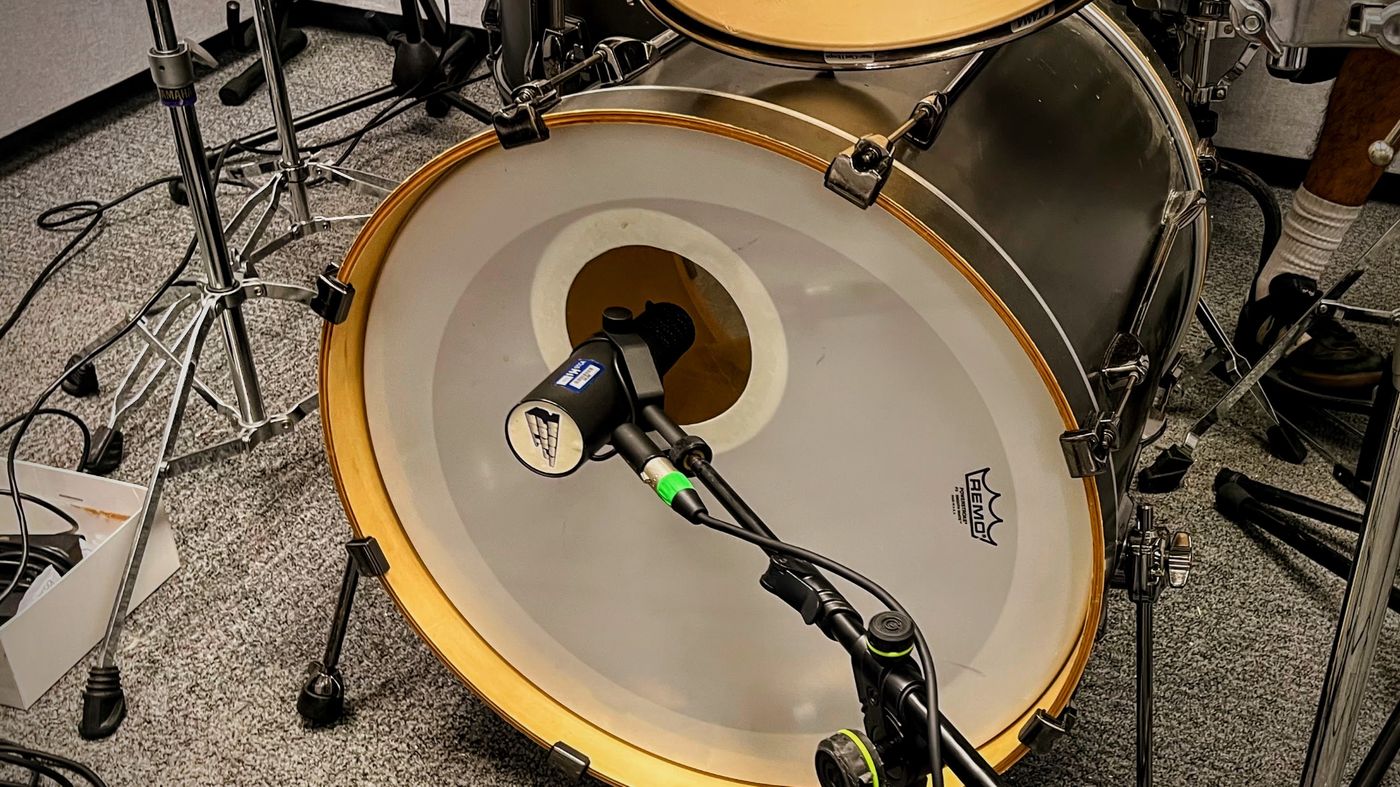
Fig 4: Shure SM7B placed off axis inside the kick drum
- Snare Top: Shure SM57
The tailored presence peak of the 57 is perfect for highlighting the high-frequency "swish" and scrape of the wire brushes against the batter head.
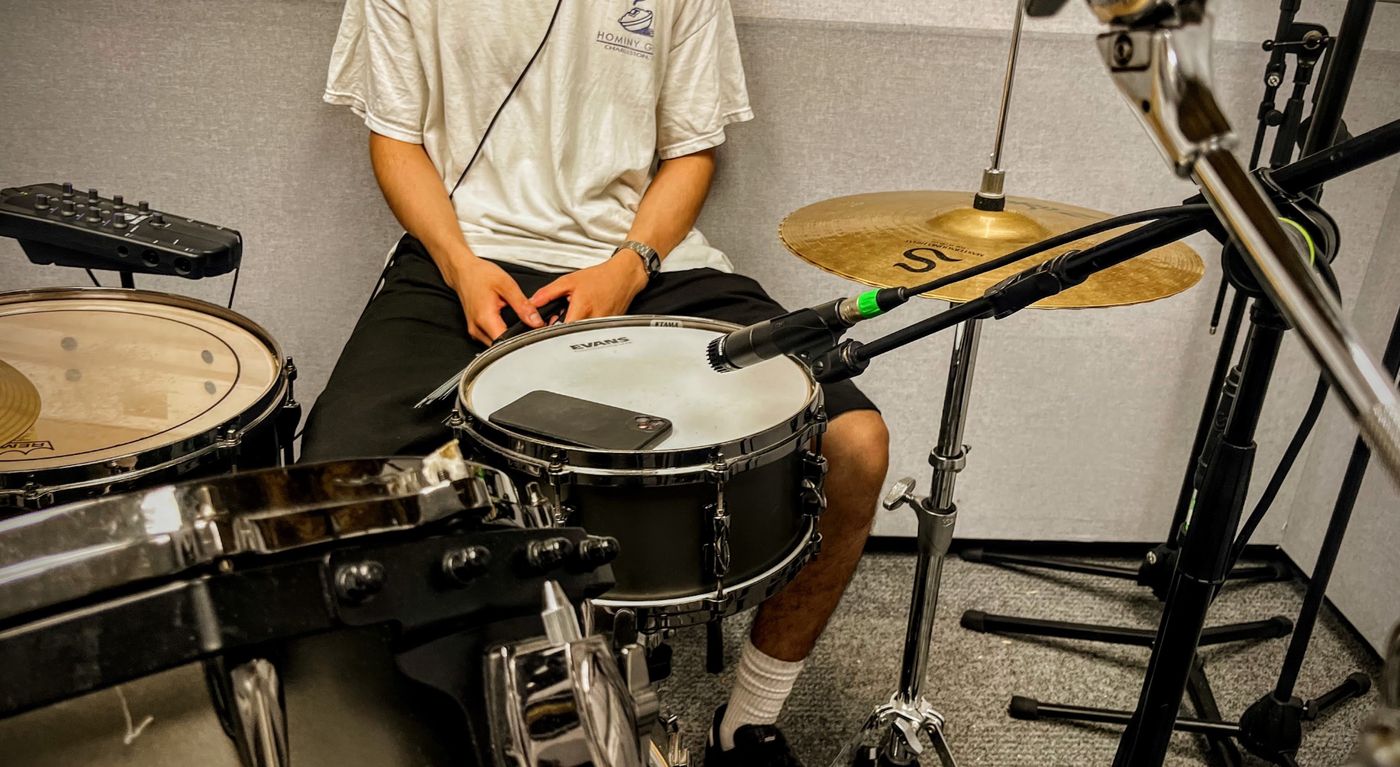
Fig 5: Shure SM57 positioned on the snare top
- The Modified Glyn Johns Technique:
I implemented the Glyn Johns overhead array but significantly altered the standard spacing. The traditional "3-foot" guideline is not an absolute rule, but rather a starting point that must be adapted to accommodate the physical and acoustic demands of the session at hand (Robjohns, 2003; Gasson).
Because brushes produce very low sound pressure, leaving the mics high in the air would capture too much room noise and not enough direct source signal. I brought both overheads significantly closer to the kit to increase the direct-to-reverberant ratio. However, adhering strictly to Robjohns' (2003) acoustic principles, I ensured both overheads remained perfectly equidistant from the center of the snare to guarantee absolute phase coherence.
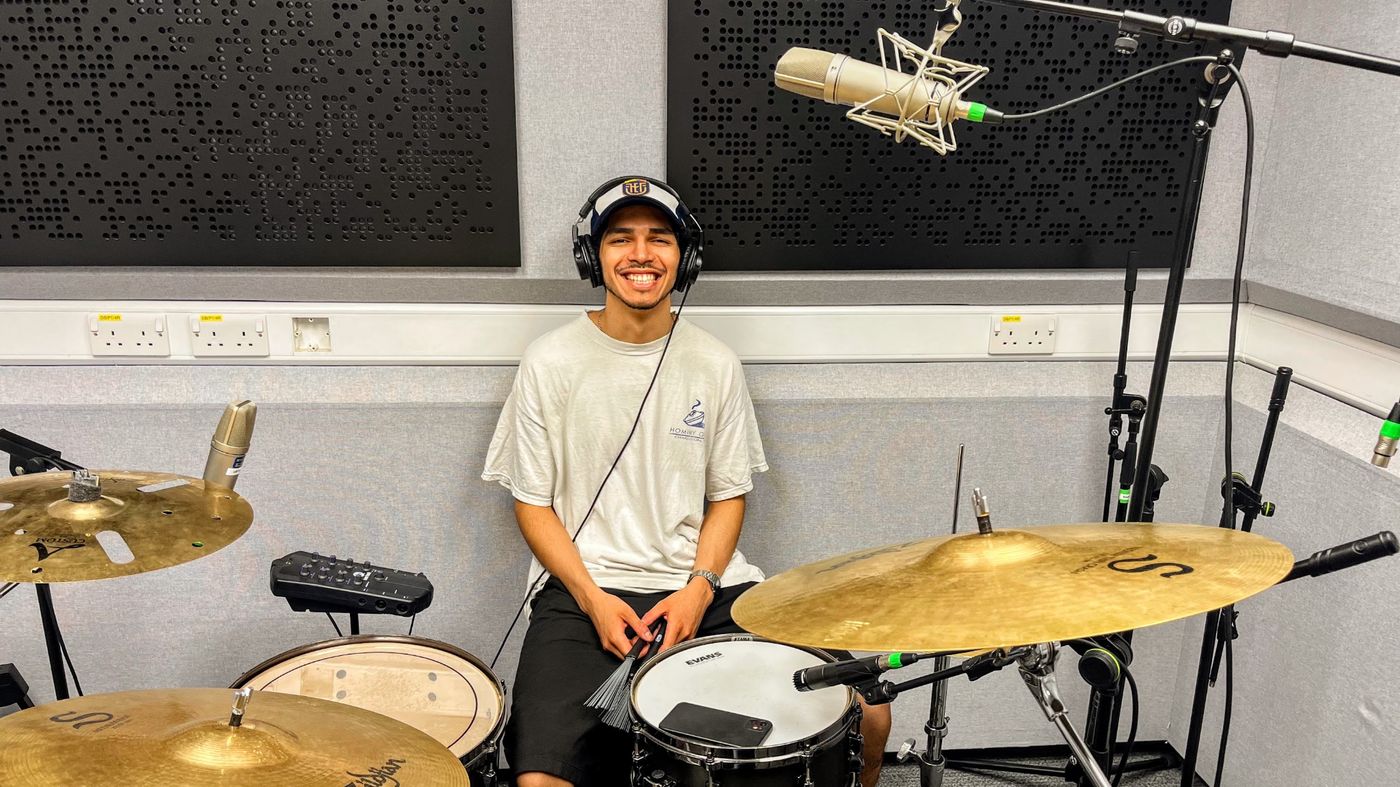
Fig 6: Modified Glyn Johns overhead array positioned closer to the drum kit
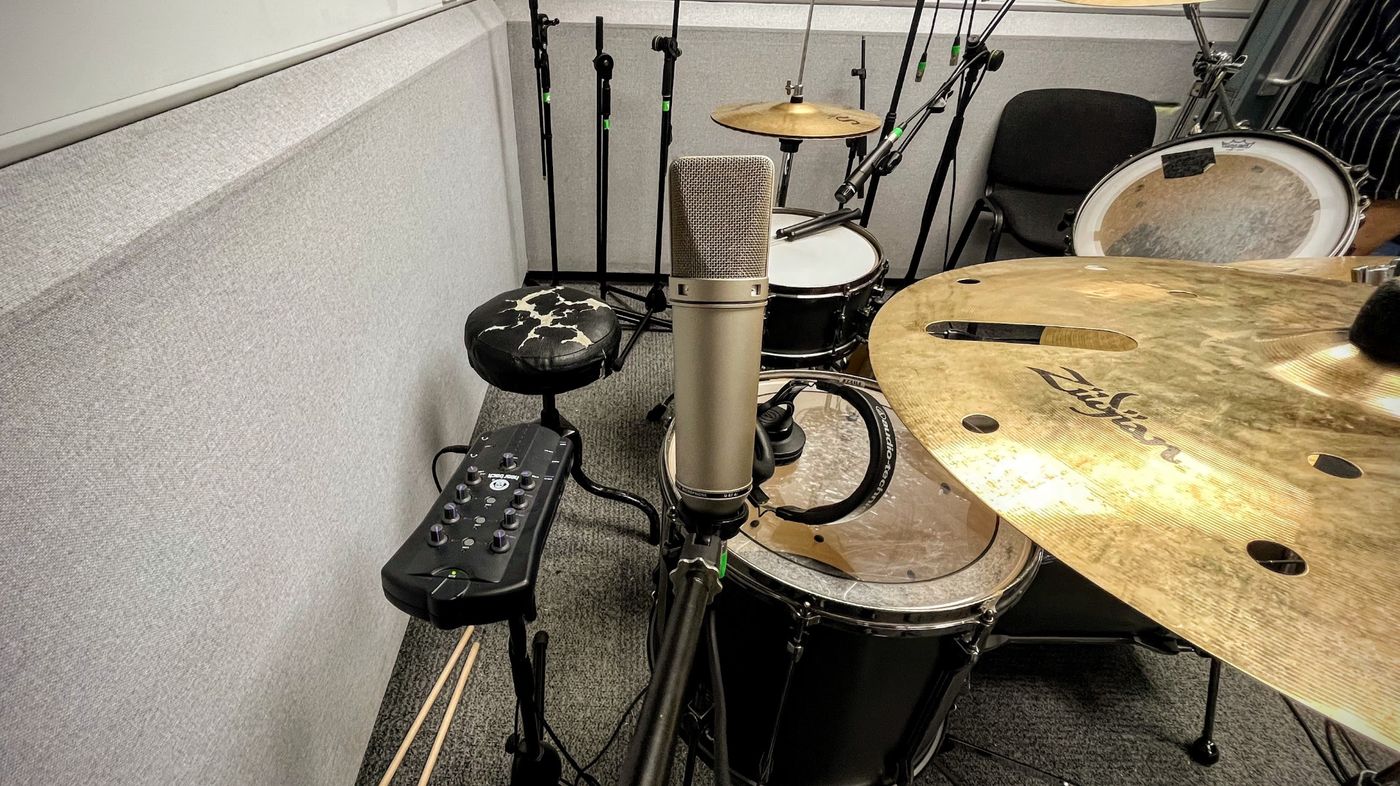
Fig 7: Glyn John’s mic placed near the tom
- Room: Coles 4038.. Positioned directly in front of the kit, this classic ribbon microphone was utilized to capture a cohesive, singular image of the entire drum setup. Its inherently smooth, dark frequency response naturally tames any harsh cymbal transients, while simultaneously adding a thick, warm weight to the kick and snare. Positioned here, it effectively acts as the acoustic "glue" for the overall drum mix.
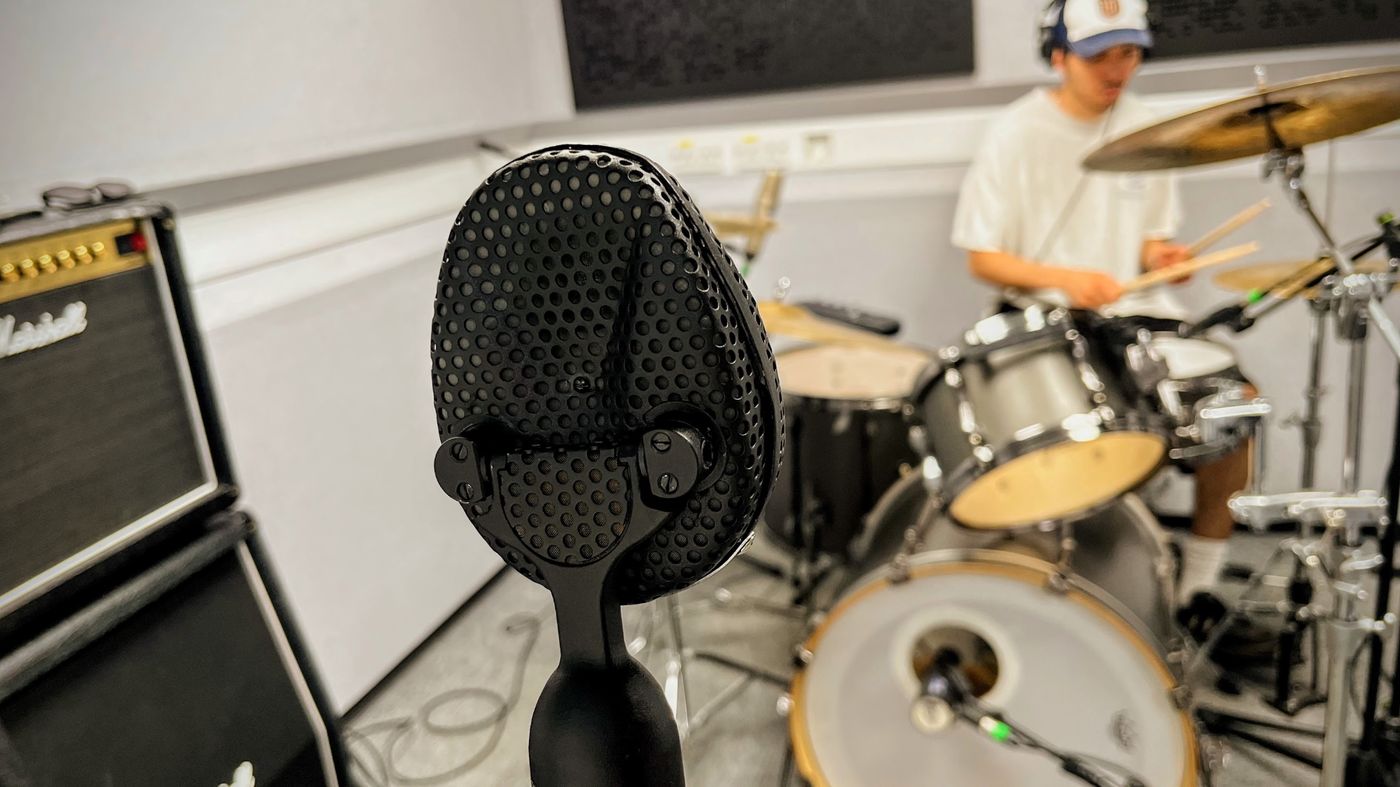
Fig 8: Coles 4038 positioned directly in front of the drum kit
Engineering Philosophy: I moved the overheads closer to maximize the signal-to-noise ratio of the soft brush strokes. While I could have simply cranked the gain on our Neve 1073 preamps, doing so would have committed heavy analog texture and saturation to the recording. Because we were writing the arrangement on the fly, I needed to leave myself a clean, uncolored signal with plenty of "wiggle room" for the mix phase. Conversely, on the Coles 4038 room mic, I intentionally boosted the preamp gain heavily to capture an aggressive ambient layer.
Bongos and Control Room Overdubs
Next came an experimental bongo section, with both Ema and Joey playing them simultaneously to mimic the sound of raindrops. I threw a Neumann U87 on top and a Coles 4038 behind them for room ambiance (McQueen, 2022).
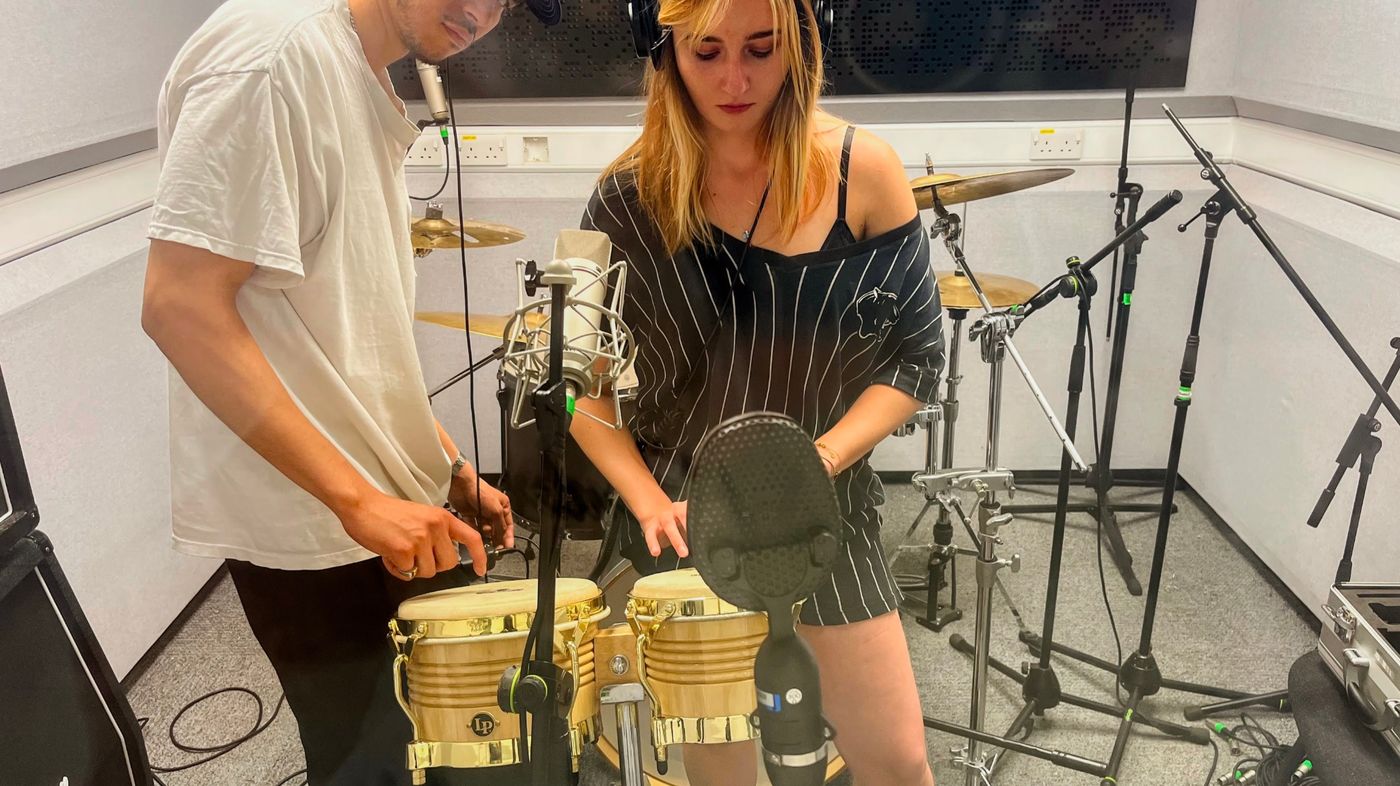
Fig 9: Neumann U87 positioned on top of the bongos
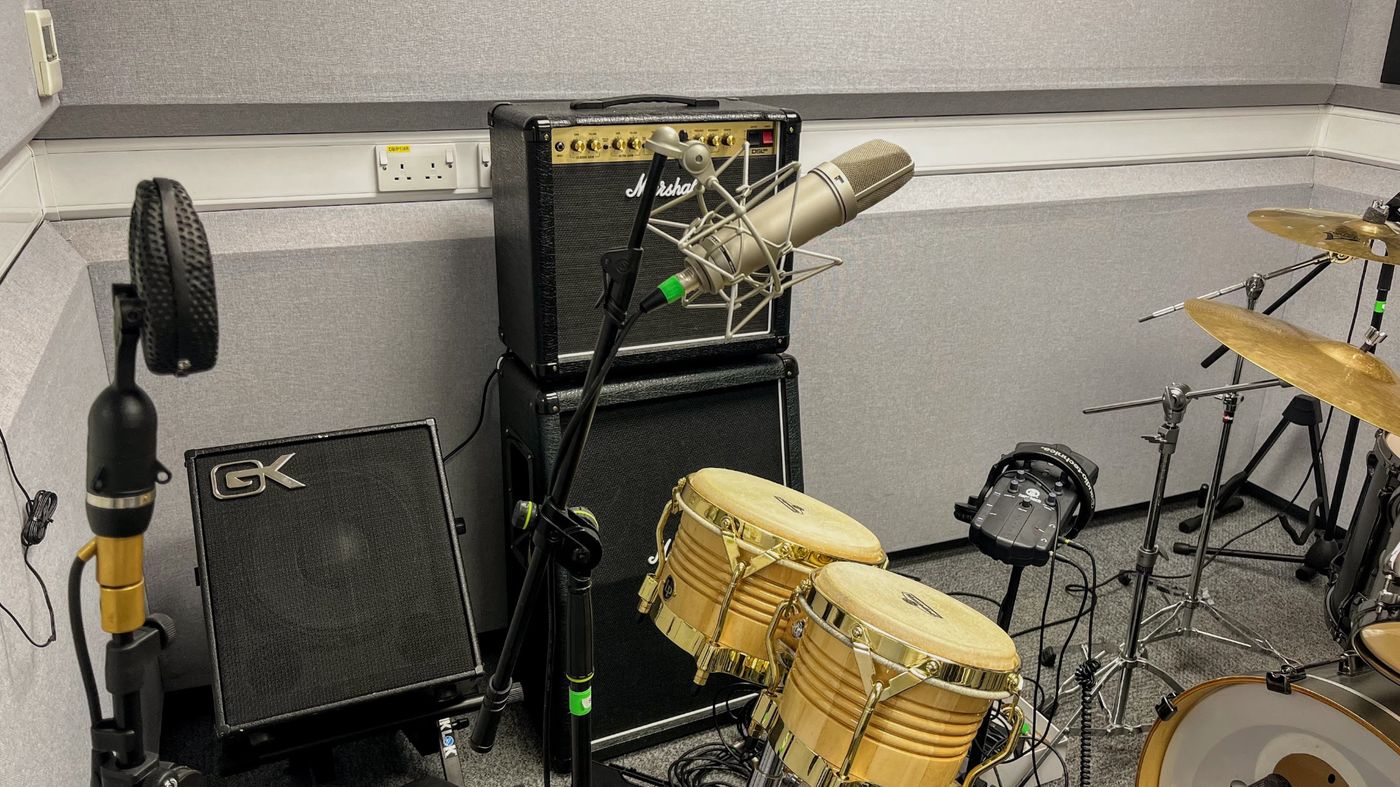
Fig 10: Coles 4038 positioned in front of the bongos to capture room ambiance
To close out Day 1, we moved into the control room where we recorded Joey’s Yamaha keyboard and his bass by patching them directly into the patch bay to capture mono DI signals.
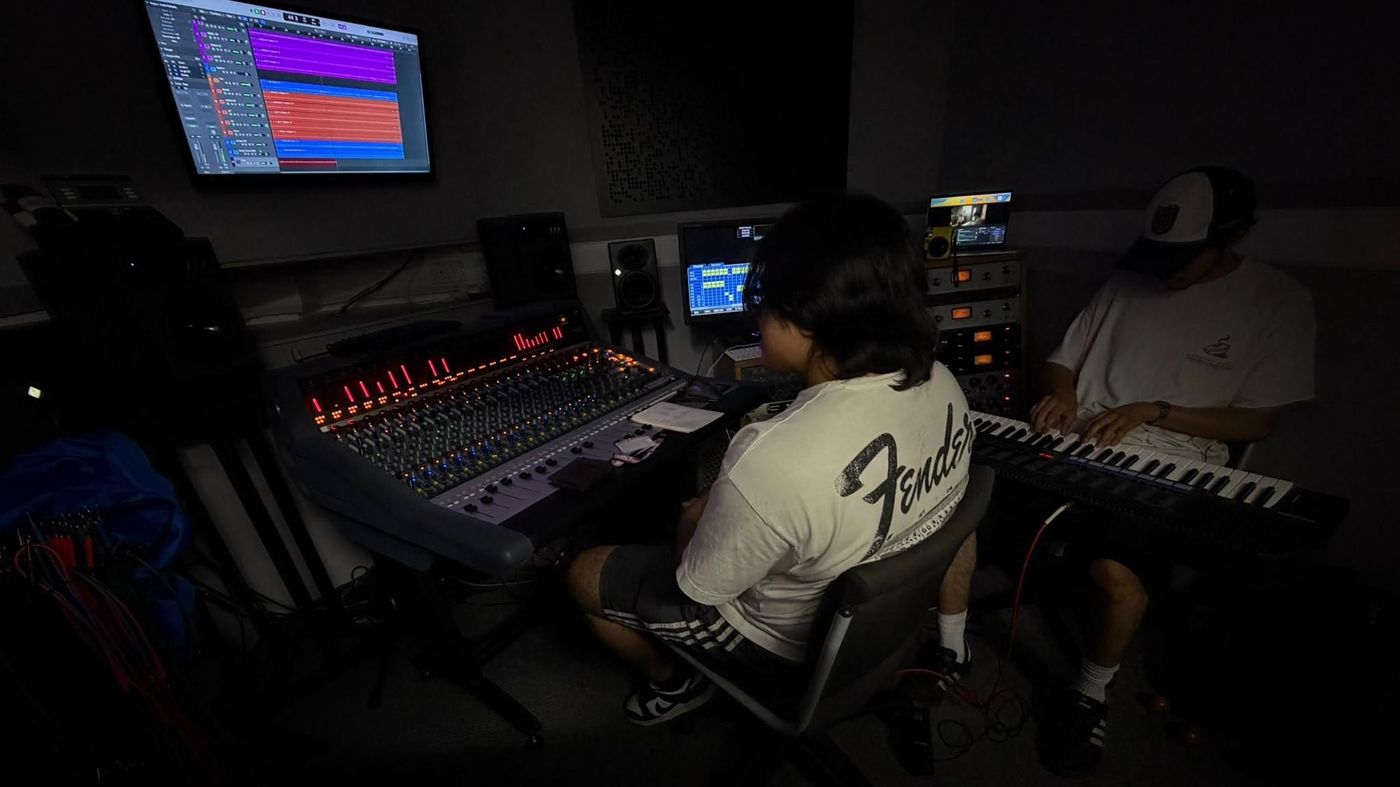
Fig 11: Mono DI signal capture of the Yamaha keyboard via the control room patch bay
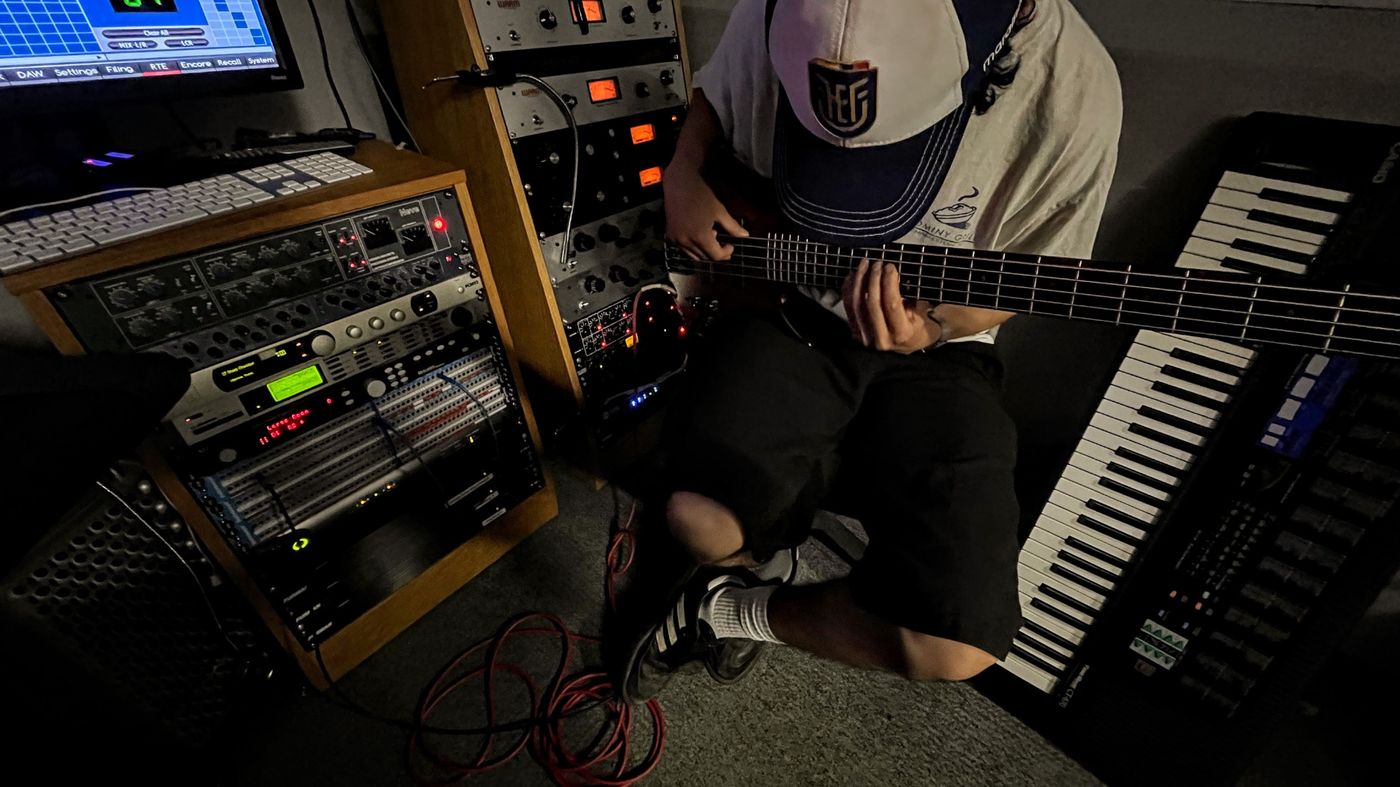
Fig 12: DI capture of the bass guitar via the control room patch bay
That was the moment Emma asked me to add some layers of guitars and I played some experimental layers just to see what was working. This helped with building a vision about how we would like the guitars to sound in the song, these were finalised on Day 2.
Day 2: Studio 1 – Valve Vocals and Guitars
Day 2 moved to the larger Studio 1, focusing strictly on polishing the vocals and electric guitars. However, session psychology quickly came into play. Emma arrived highly distracted; her day job was demanding her attention online, and the stress was actively blocking her creative flow. Recognizing this, I called a hard pause. We left the studio, grabbed coffee, and took a "chill pill." Because I had the room booked for the whole day, there was no need to rush a compromised performance.
The Vocal Polish
When we returned, the vibe was reset. Ema wasn't happy with her Day 1 scratch vocals, so we re-recorded everything and more—leads, harmonies, and backing vocals.
For her lead vocals, I swapped the microphone to Warm Audio WA-47, a large-diaphragm valve (tube) condenser.
The decision to move away from a standard solid-state microphone was entirely driven by the dark, acoustic nature of the song. Pushing a strong vocal signal through thermionic valve circuits naturally imparts pleasing even-order harmonic distortion alongside a smooth, tape-like compression (Hodge, 2018; LEWITT Content Team, 2022). Unlike solid-state microphones, which can sometimes sound overly clinical or precise, the WA-47's tube circuit imparted a warm, saturated, "larger-than-life" vintage character that wrapped perfectly around the acoustic guitars, eliminating the need for heavy digital saturation in the mix phase.
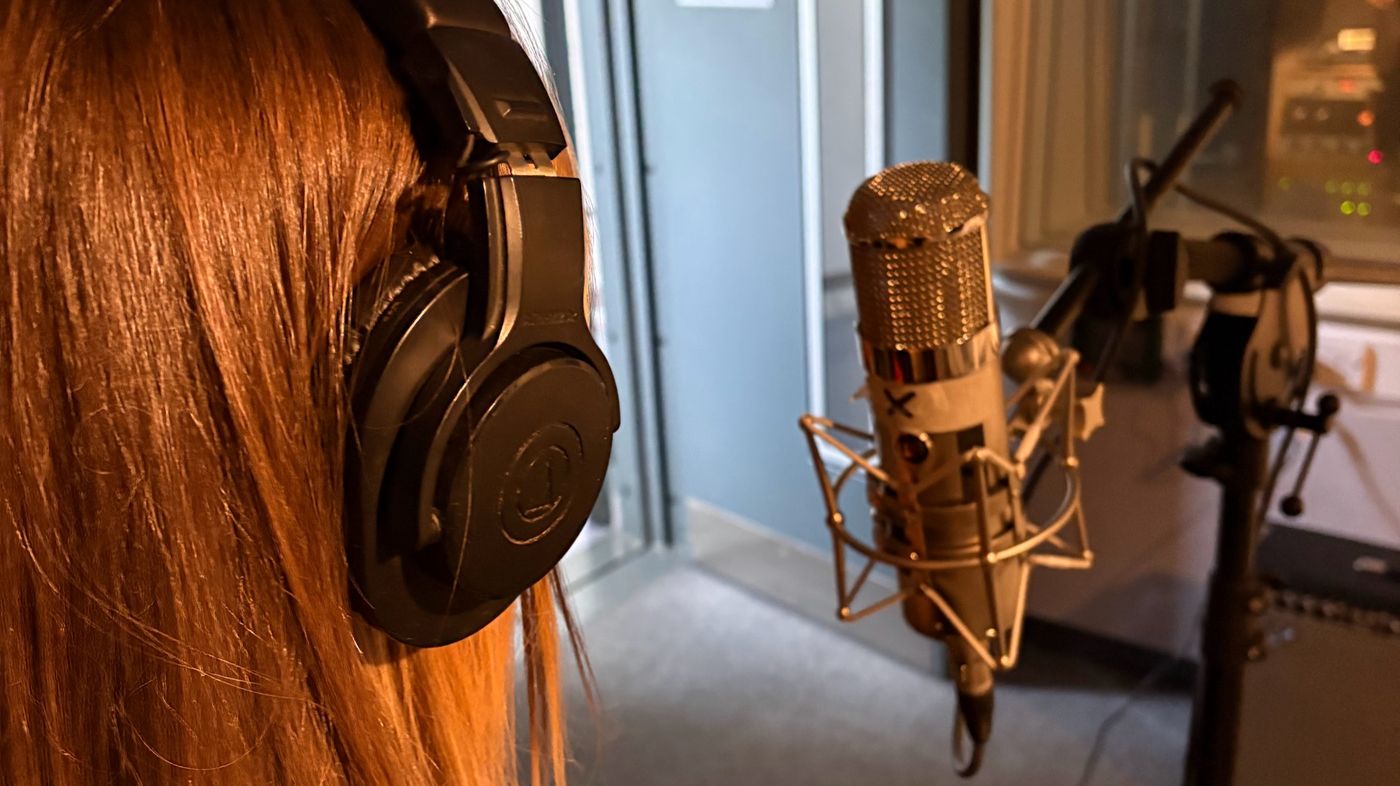
Fig 13: Warm Audio WA-47 large-diaphragm valve condenser deployed for lead vocals
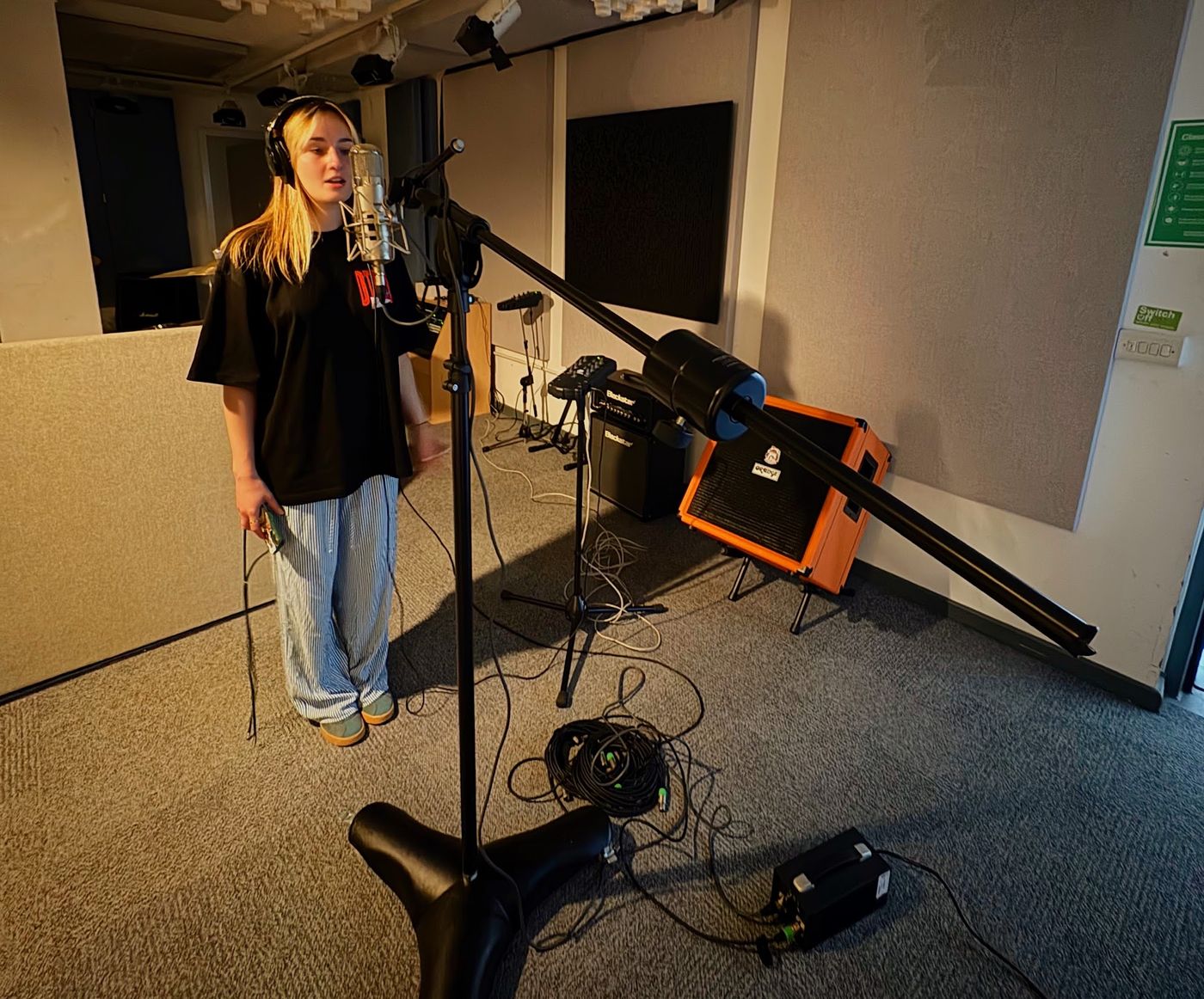
Fig 14: Vocalist tracking lead vocals through the Warm Audio WA-47
During the takes, Ema expressed some concern about her pitch. I reassured her of a crucial studio reality: if a performance captures the perfect emotion and timing, correcting a note by half a semitone in Melodyne is the right call. The industry needs to stop shaming artists for pitch correction. Preserving an emotionally resonant, top-notch take by applying transparent digital tuning is standard commercial practice, and it yields a far better record than comping together a sterile, perfectly pitched but emotionally dead performance.
Electric Guitars: Trust and Mascara
The session ended with my electric guitar overdubs. Ema demonstrated incredible trust, offering no controlling input and allowing me total creative freedom to track ear candy, lead lines, and ambient chords. I used the Line 6 Pod Go to create my tones and recorded its output without recording DI, I did so as I was sure of the guitar tones and I wanted to commit them then and there. Perks of being the engineer I guess.
The most memorable moment of the day happened when I realized I had left my guitar slide at home. In that moment Emma gave me her Mascara and asked me to try that as a Slide and I did, which actually worked in our favour—a perfect, unconventional end to a highly creative two days.
References
Gasson, J. (n.d.) Drum miking techniques. Third Circle Recordings. Available at: https://thirdcirclerecordings.co.uk/recording-blog/drum-miking-techniques/ (Accessed: 25 April 2026).
Hirst, J. (2015) Drum recording techniques. Miloco Studios. Available at: https://milocostudios.com/toptip/drum-recording-techniques-by-joe-hirst/ (Accessed: 25 April 2026).
Hodge, C. (2018) 'Should I use a tube or solid state microphone?', Andertons Music Co., 30 July. Available at: https://blog.andertons.co.uk/learn/tube-microphone (Accessed: 3 August 2026).
LEWITT Content Team (2022) 'What is a tube microphone?', LEWITT, 8 April. Available at: https://www.lewitt-audio.com/blog/what-a-tube-microphone (Accessed: 3 August 2026).
Lewis, K. (no date) 'Layering guitars for maximum impact', Universal Audio. Available at: https://www.uaudio.com/blogs/ua/studio-basics-layering-guitars?srsltid=AfmBOoovEdGOtX9Rl6G1JxfrvZhNTqHNikH3kxy5OL8o2y9sCVdMPOww (Accessed: 3 August 2026).
McQueen, M. (2022) 'How to record EPIC BONGOS!', YouTube, 25 February. Available at: https://youtu.be/5rYmmsPr1YU?si=AYWCFELXDtcWJHAW (Accessed: 3 August 2026).
Robjohns, H. (2003) 'Recording drums: a practical guide', Sound on Sound, February. Available at: https://www.soundonsound.com/techniques/recording-drums (Accessed: 25 April 2026).
Senior, M. (2010) 'How to record a great acoustic guitar sound', Sound on Sound, April. Available at: https://www.soundonsound.com/techniques/how-record-great-acoustic-guitar-sound (Accessed: 3 August 2026).